Voyager’s journal
Exploring Earth’s natural wonders, local cultures, and hidden gems by sea.
Feature
New Horizons at the North Pole
Going Deeper in French Polynesia
Ponant Explorations Group unveils sleek new voyages, offering regional expertise in the far reaches of paradise.
Discover rare itineraries that take you to breathtaking destinations at the top of the world.
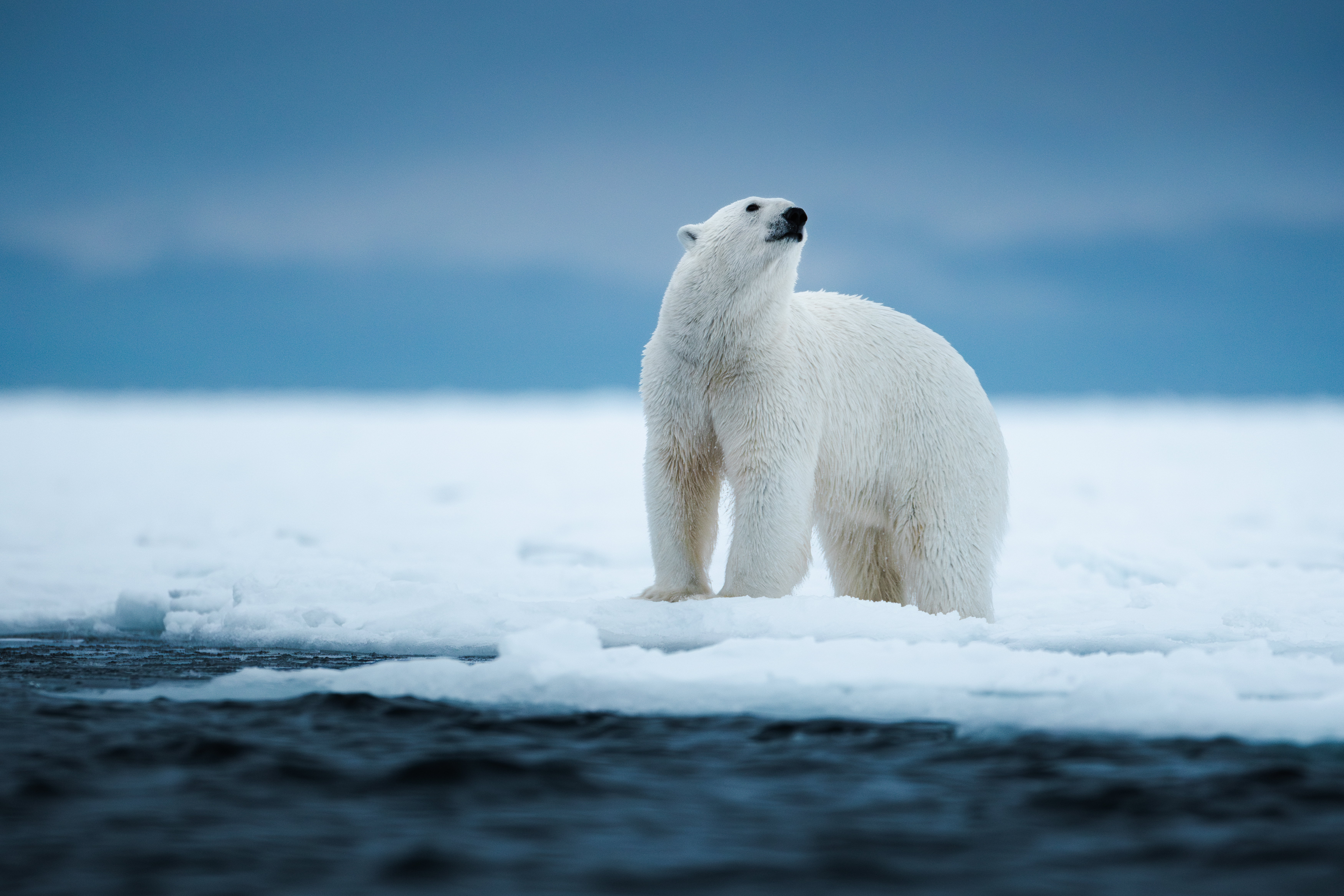
Diving into a polar plunge, glimpsing polar bears in their natural habitat, and discovering the Arctic in unmatched luxury.
Close to Home, Far from Ordinary
Ponant’s small ships and unique cruises visit remote, stunning places—no long-haul flights needed.
Polar Poetry
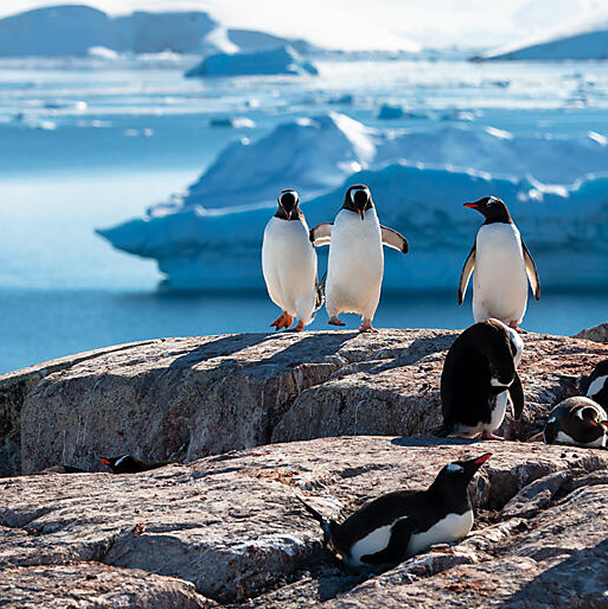
A Weddell Sea voyage reveals Antarctica’s beauty and wildlife.
Science on the Water
Ponant Explorations’ voyages unite luxury and science on the open sea.
A Tropical Odyssey in Central America
duration
Read Samantha's story
starting from
11 days
$8,710
View brochure
From icy poles to tropical isles, journey to the farthest reaches of the planet with expert-led expeditions that bring every destination to life. Explore some of Ponant's upcoming cruises.
Explore destinations
Articles
Explore
With
DATES
December 3, 2025 to December 13, 2025
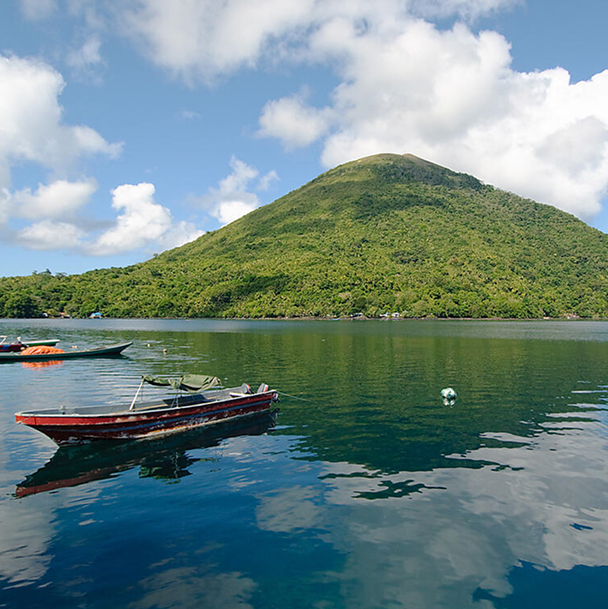
Tropical Odyssey between North East Australia and Indonesia
December 8, 2025 to December 23, 2025
16 Days
$11,320
Emblematic Antarctica
December 10, 2025 to December 21, 2025
12 days
$17,320
The Insider’s Mediterranean
Ponant Explorations and Smithsonian Journeys itineraries reveal more than sights on enriching, expert-led trips.
Ponant unveils sleek new voyages, offering regional expertise in the far reaches of paradise.
Dates
Duration
Starting from
16 days
December 11, 2025 to December 21, 2025
View itinerary
Voyager'S journal
Exploring Earth’s natural wonders, local cultures, and hidden gems by sea. View collection
Insider's Mediterranean
The Antarctic Peninsula’s remote eastern side offers rare emperor penguin encounters with Ponant, minimal ship access, and low-impact, eco-friendly exploration
Read more
Voyager’S journal
By Samantha Brooks
September 15, 2025
Ponant Explorations’ just-announced 12-night expeditions aboard Le Commandant Charcot offer a one-of-a-kind opportunity to reach 90 degrees north—and discover a few things about yourself along the way.
The polar plunge is giving me anxiety.
Three months before I’m set to leave on a Ponant Explorations voyage aboard Le Commandant Charcot, I hear that one of the must-try, once-in-a-lifetime experiences offered is a plunge into the ice-capped waters of the Arctic. I’ve done ice-bath plunges before, but more in the name of wellness than adventure—and never for longer than 12 seconds.
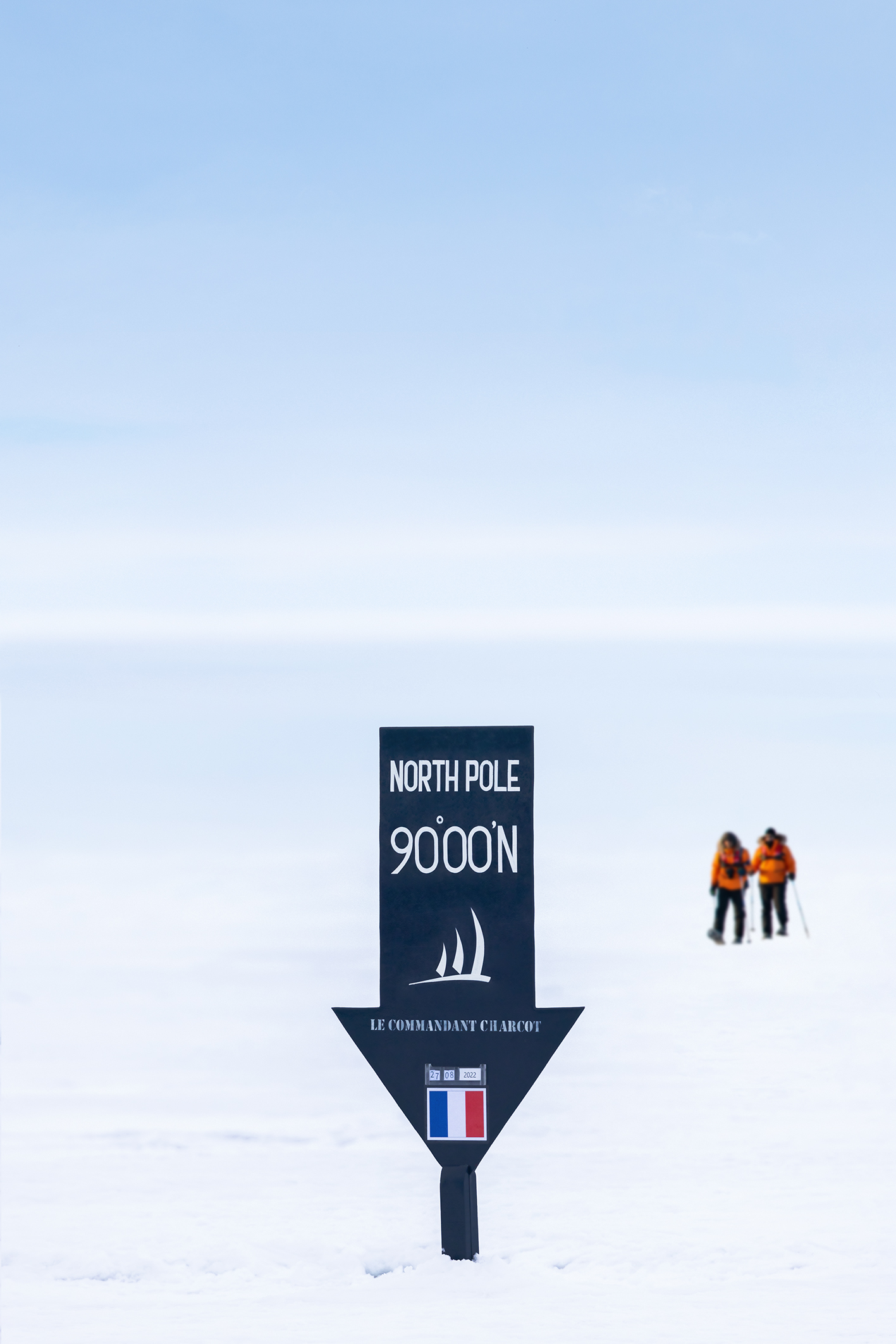
For the ultimate Arctic adventure, Ponant Explorations also offers expeditions to the North Pole aboard Le Commandant Charcot. The voyages are the only cruises to reach the true North Pole—90 degrees north—thanks to the ship’s PC-2 capabilities. Ponant Explorations has been offering these one-of-a-kind trips since 2022 and recently introduced a new series of 12-night North Pole expeditions. The journeys—developed in response to demand for shorter itineraries from the North American market—will be aboard Le Commandant Charcot, departing from Spitsbergen, in Norway’s Svalbard archipelago, in 2027.
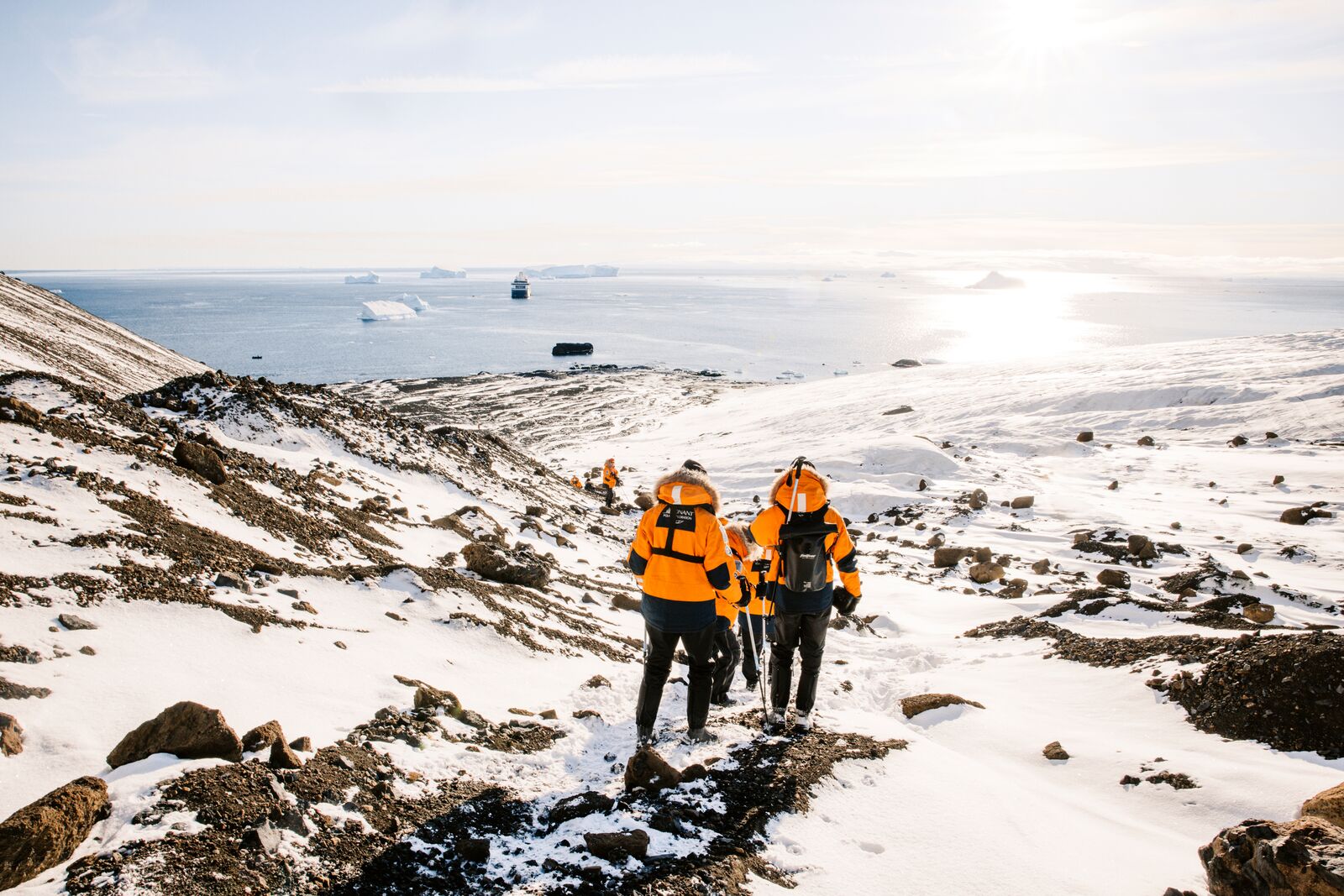
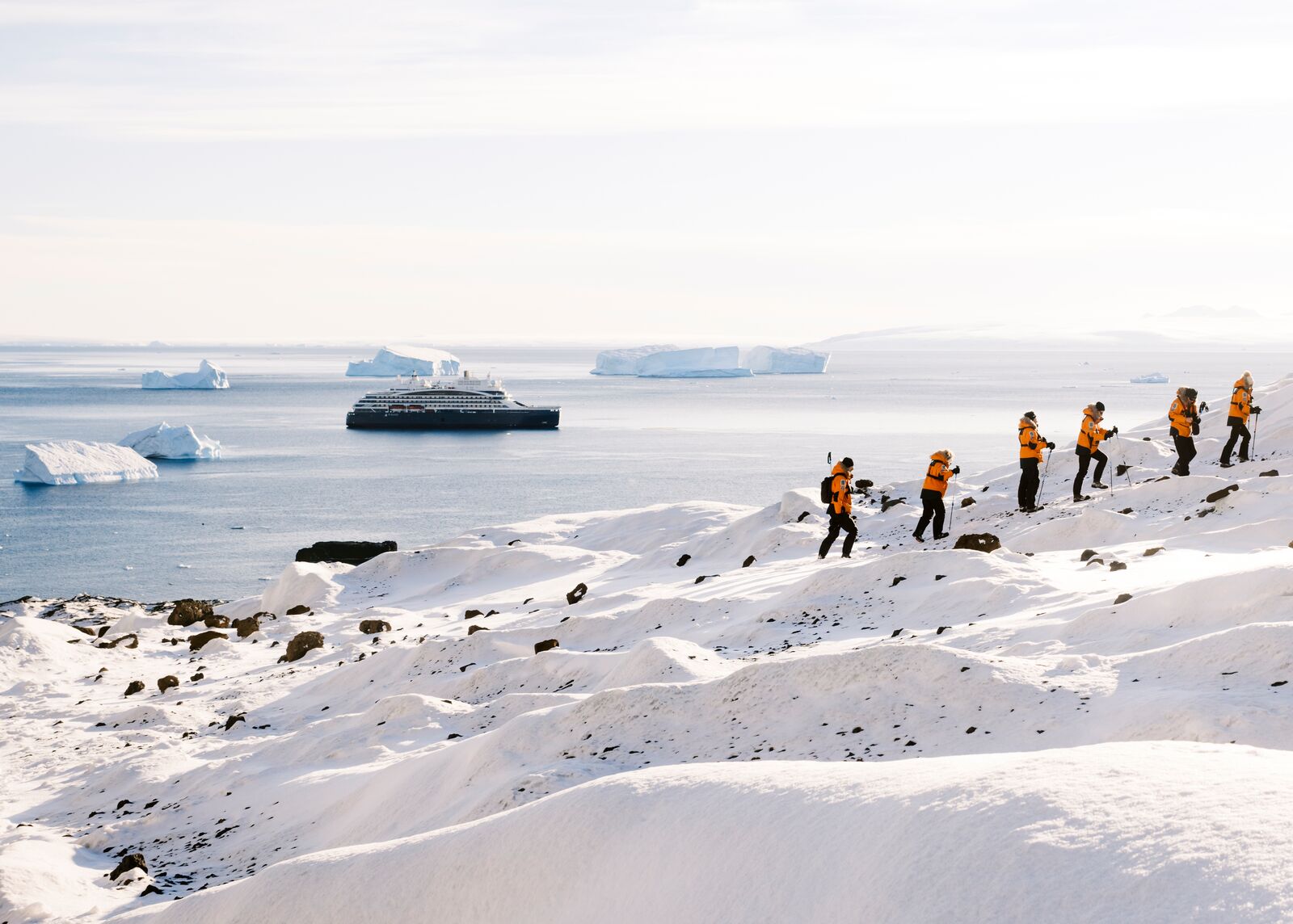
A Ponant Explorations trip to the top of the world is the pinnacle of polar exploration—not just for its unique ability to reach 90 degrees north. Passengers experience the fascinating far north accompanied by onboard experts in the region’s wildlife and environment. The expert lessons and insights pair with polar hikes, Zodiac expeditions, and other adventures for a hands-on education like no other.
“With Le Commandant Charcot, we’ve created a ship that not only pushes the boundaries of polar navigation but also serves as a platform for scientific research, environmental stewardship, and cultural exchange,” says Samuel Chamberlain, CEO of Ponant Explorations Group, Americas. “Coupled with our French flair for hospitality, this is purposeful exploration at its finest.”
Polar Explorer
Ponant Explorations’ newly introduced 12-night North Pole itineraries run from July 27 through September 13, 2027, beginning and concluding in Spitsbergen in Norway’s Svalbard archipelago.
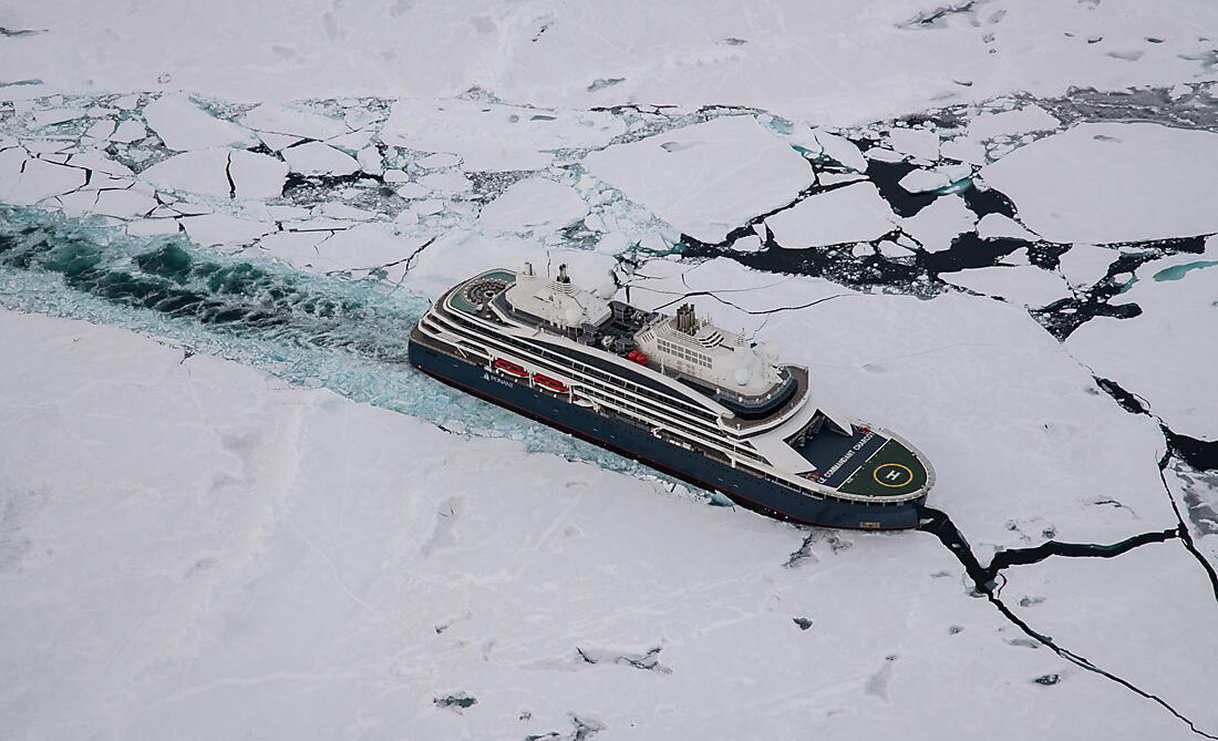
Le Commandant Charcot is the world’s only luxury icebreaker and the only ship with Polar Class 2 (PC-2) classification. (The other comparable icebreakers are operated by the Coast Guard.) The 150-meter-long ship can host as many as 245 passengers in 123 cabins. Setting a precedent for responsible and sustainable polar exploration, the ship boasts a hybrid electric propulsion system powered by liquefied natural gas (LNG) as well as other technologies that reduce noise and vibrations and help preserve the natural environment.
Learn more
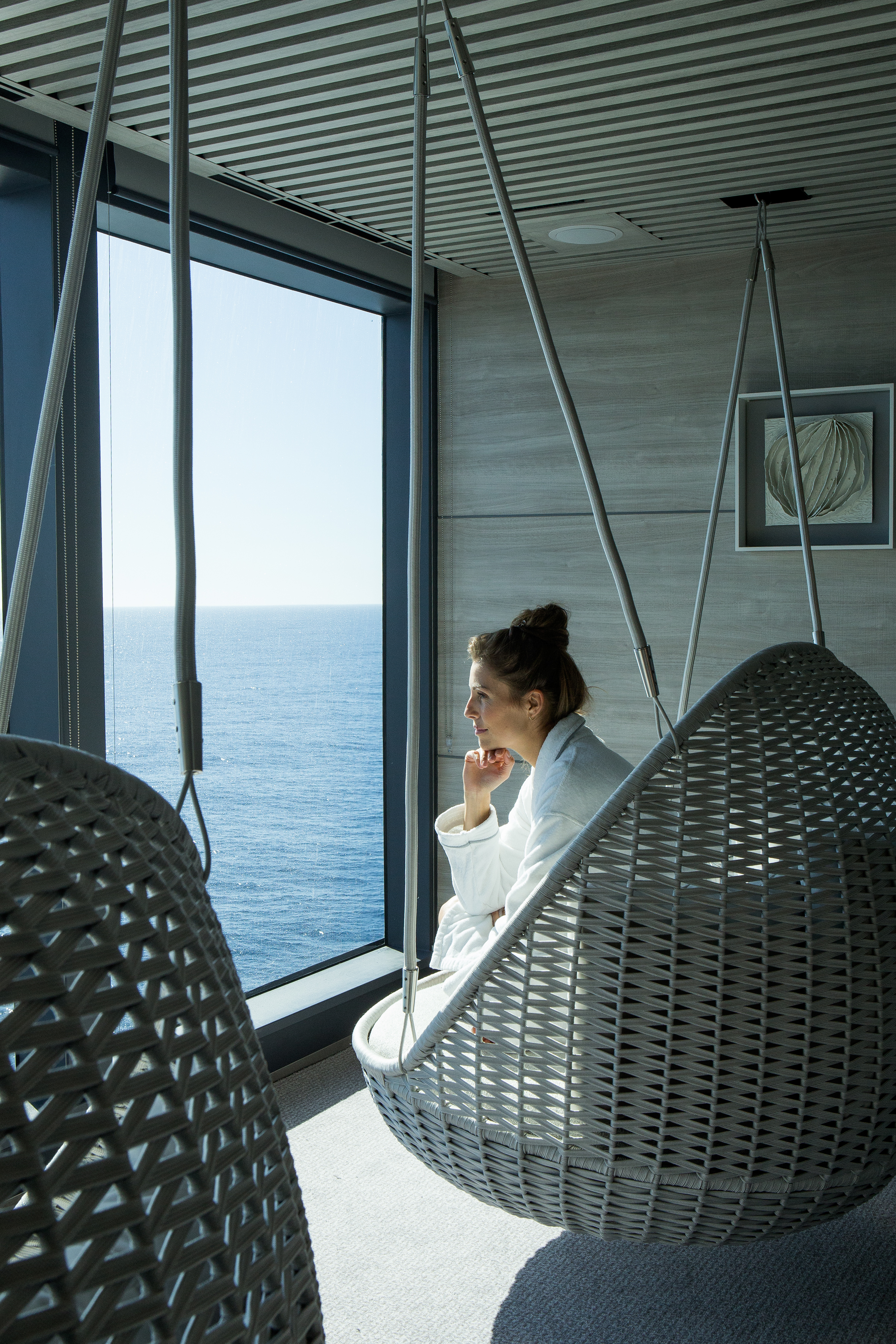
Indeed, a Ponant Explorations journey to the North Pole can be whatever each guest wants it to be. For those not feeling adventurous, there’s always the option of luxuriating at the spa, where walls of windows allow you to admire the Arctic scenery from just about everywhere, from the sauna to the indoor pool. Guests can also savor signature dishes by the famed French chef Alain Ducasse while enjoying the Arctic views—or watching the crew navigate the polar environment. (The ship’s Nuna restaurant backs up to the second bridge, and diners can observe the crew in action through large windows.)
Whether one of the new 12-night expeditions or a longer trip, Ponant Explorations’ polar voyages don’t have a set schedule. Rather, they operate around a rough outline of where the ship is expected to be each day. The itineraries, as well as activities like the polar plunge, are informed by weather and conditions, which change constantly in the region.
For my journey, I know we are leaving from, and returning to, Reykjavík in Iceland. In between, there will be opportunities for ice walks, sea kayaking, glacier tours on Zodiacs, whale watching, polar bear sightings (check!), and, of course, the polar plunge.
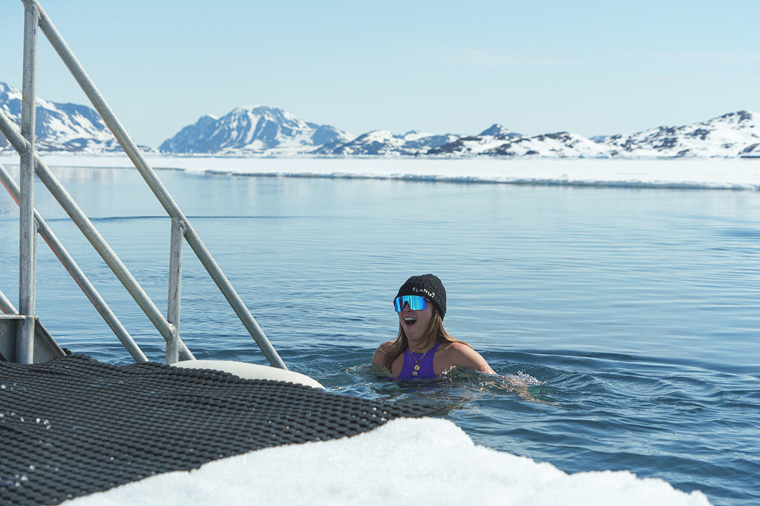
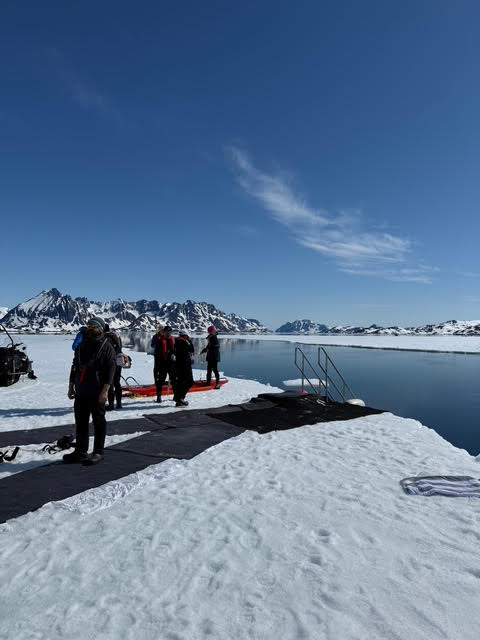
In the first few days aboard Le Commandant Charcot, the crew hosts mandatory briefings for various activities. During the orientation for the polar plunge, I learn that participants are fitted with a harness around the waist—a safety measure in case someone passes out or goes into shock. If that happens, the crew can immediately pull you back to shore. I also learn that the plunge time is limited to between 10 seconds and one minute to avoid hypothermia in the roughly 27-degree-Fahrenheit water. At this point, they don’t know how we’ll be getting into the water. If conditions permit, they’ll set up a swim platform and ladder into the sea on an ice bed at the stern of the ship, along with a tent offering hot beverages. If not, the entry into the sea will be directly from the ship.
The evening before the polar plunge, the next day’s itinerary is delivered to my stateroom. I’m in the first group, plunging around 3 p.m. I have one final night and almost a full day to wimp out.
I wake up the day of the plunge and can’t think about much else. Our group meets to exit the ship together, each wearing a bathing suit, snow boots, a bathrobe, and a parka. We get to the tent, and two fearless women go ahead of me, lasting around 10 to 15 seconds each. They make it look so easy, but I’ve set my expectations low. If I get in up to my neck for even three seconds, it will be a win. In fact, I’m not even sure I’m going to let go of the ladder. Polar plunge? I’m happy with a polar dip.
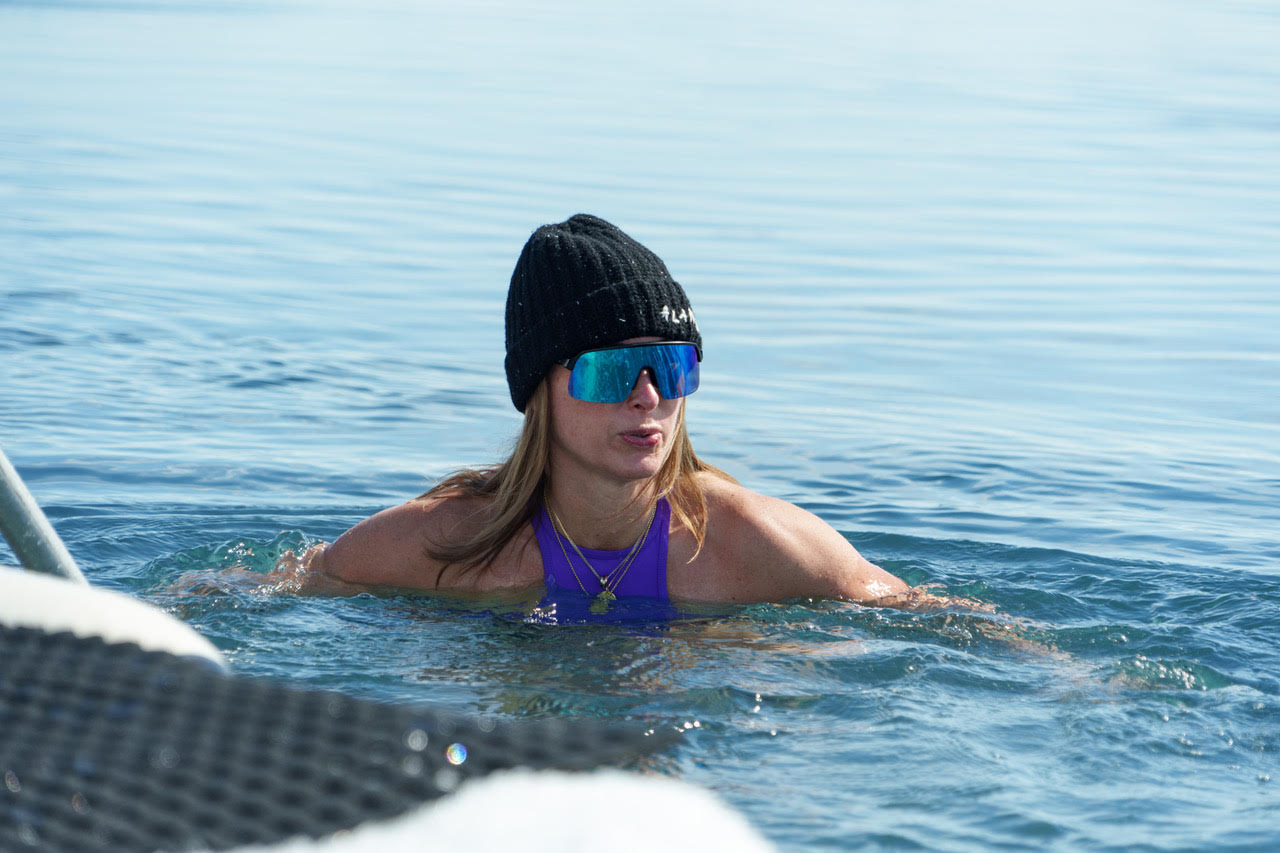
Harness on, I climb down the ladder into the sea. Without thinking, I push off into the water and begin to tread. I count to 10 as slowly as I can. It’s tolerable. “Count to 10 again,” I tell myself. Three times, I count to 10, and I hear my group on shore cheering me on, along with the passengers on the ship, who are all looking down at us. “Okay, it’s been a minute—you have to get out,” the Ponant Explorations guide monitoring me says. I did the max. I’m shocked.
The experience
The Ship
The Sights
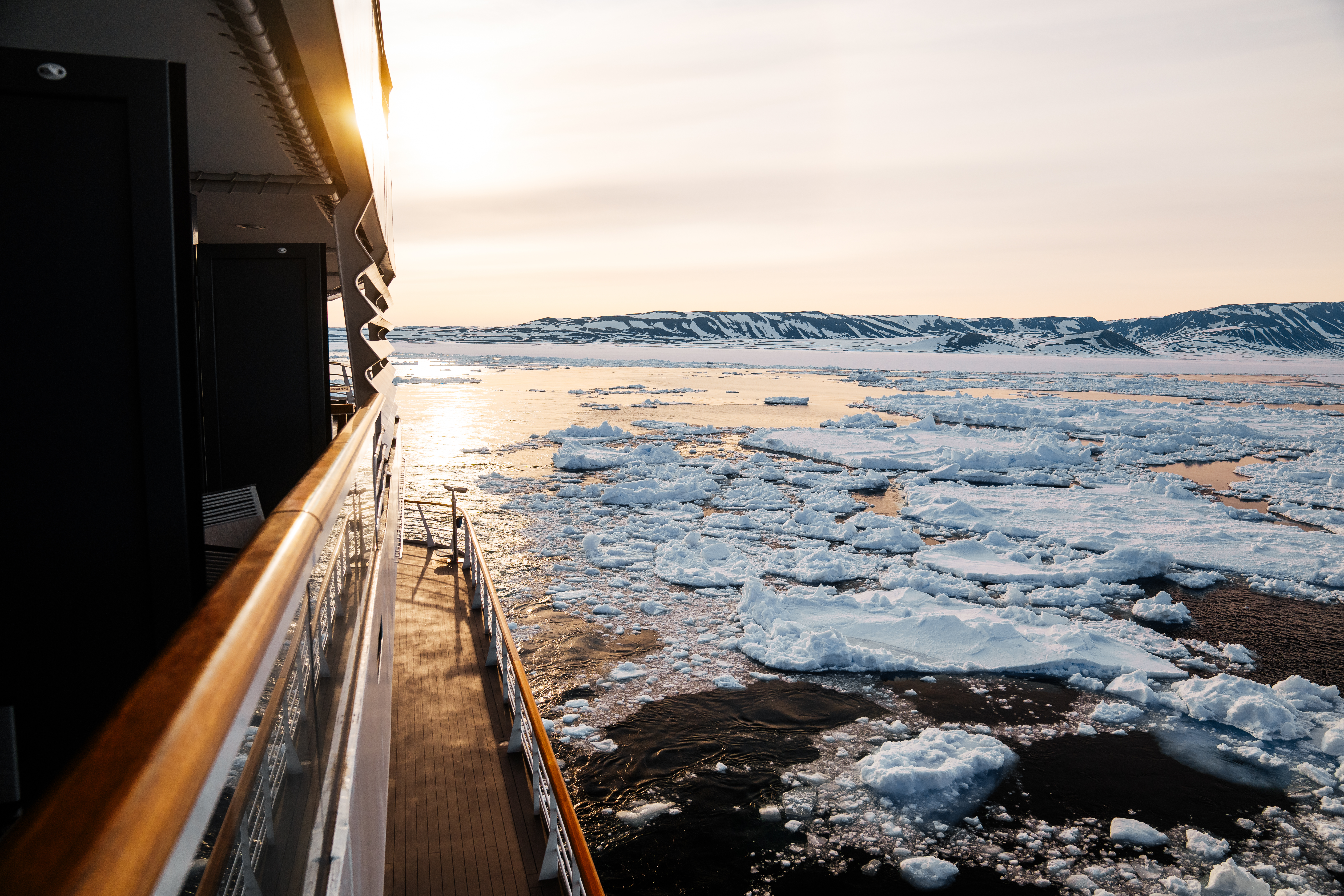
Sail to the northernmost point of the planet, spotting seals, whales, and polar bears along the way. Equally dramatic are the vistas of ever-changing ice-covered sea, snow-capped mountains, and remote wilderness very few ever get to see.
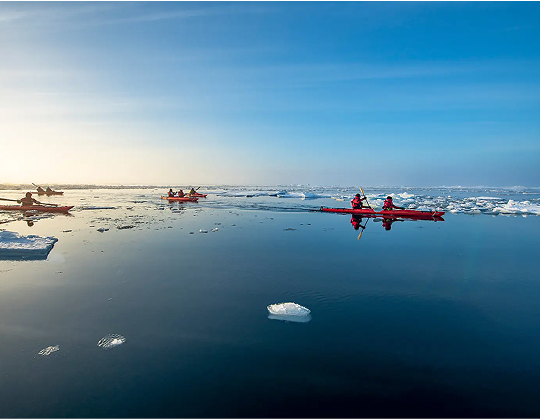
Hiking for every level (from mild walks to more intense treks), sea kayaking among glaciers and sea life, and a true polar plunge are all standard activities. However, some of the most memorable moments are the ones spent gazing at the sea from your private balcony or the top-floor lounge—or being called out to the deck by the captain to see a polar bear roaming the icy expanse.
The voyages are the only cruises to reach the true North Pole—90 degrees north—thanks to the ship’s PC-2 capabilities.”
—Samuel Chamberlain, CEO of Ponant Explorations Group Americas
“
POLAR EXPLORER
Read next
I share this fact with a friend, who tells me he’s been doing eight-minute cold plunges ever since his football days in high school and college. In that moment, it hits me: I’m not tough. I didn’t play sports in high school—I went to yearbook camp. I don’t like taking risks, and I definitely don’t like the cold.
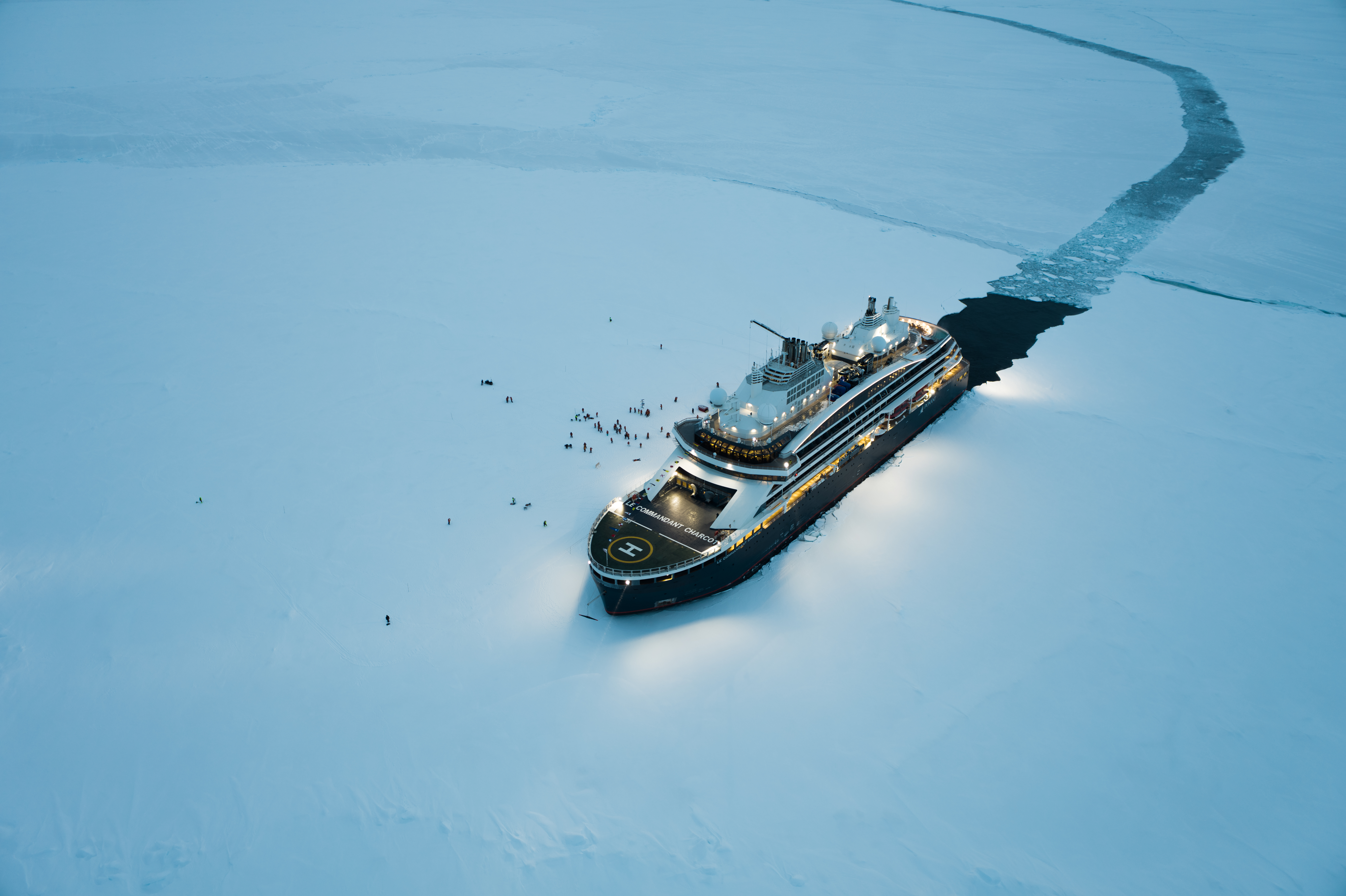
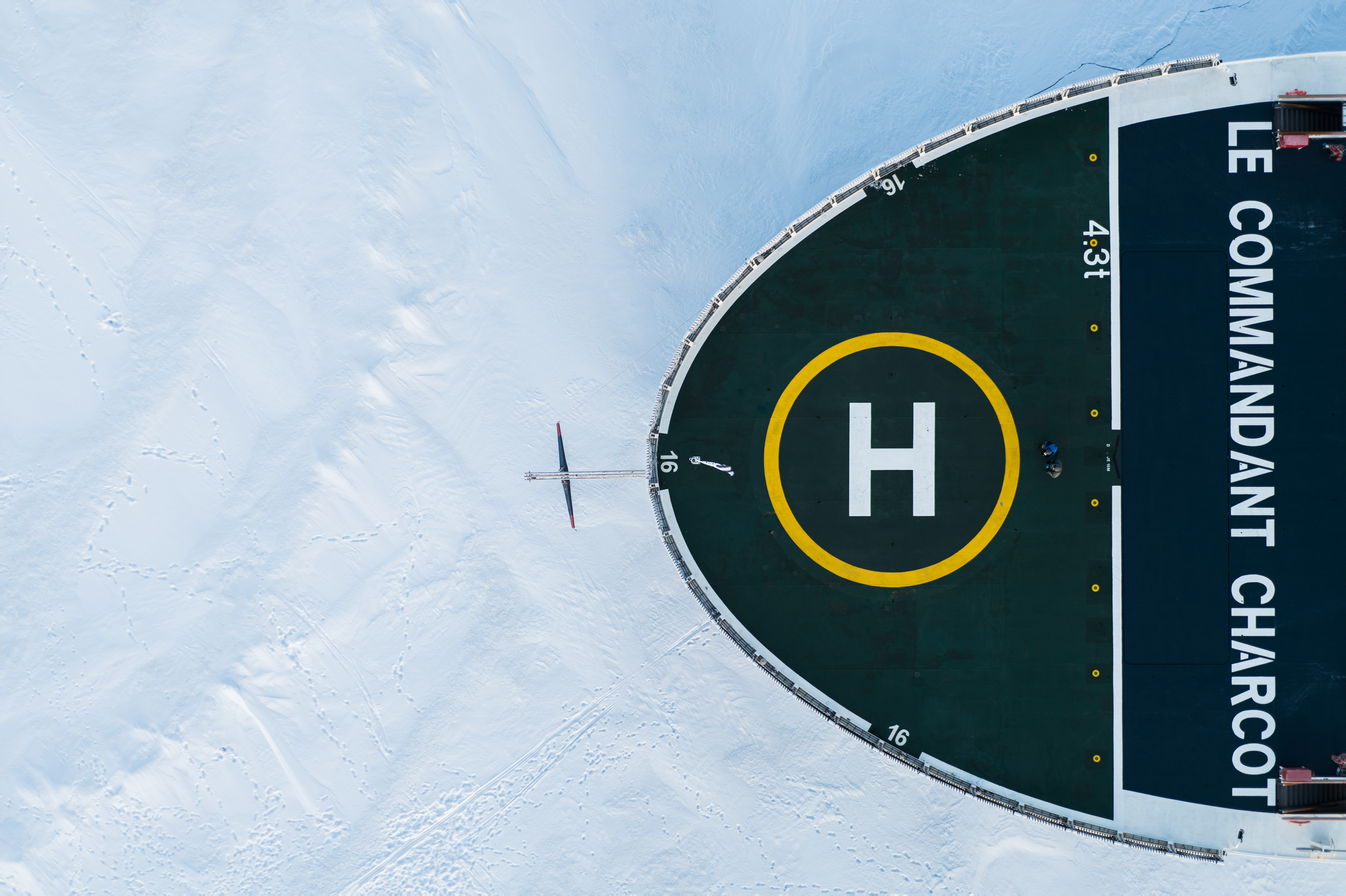
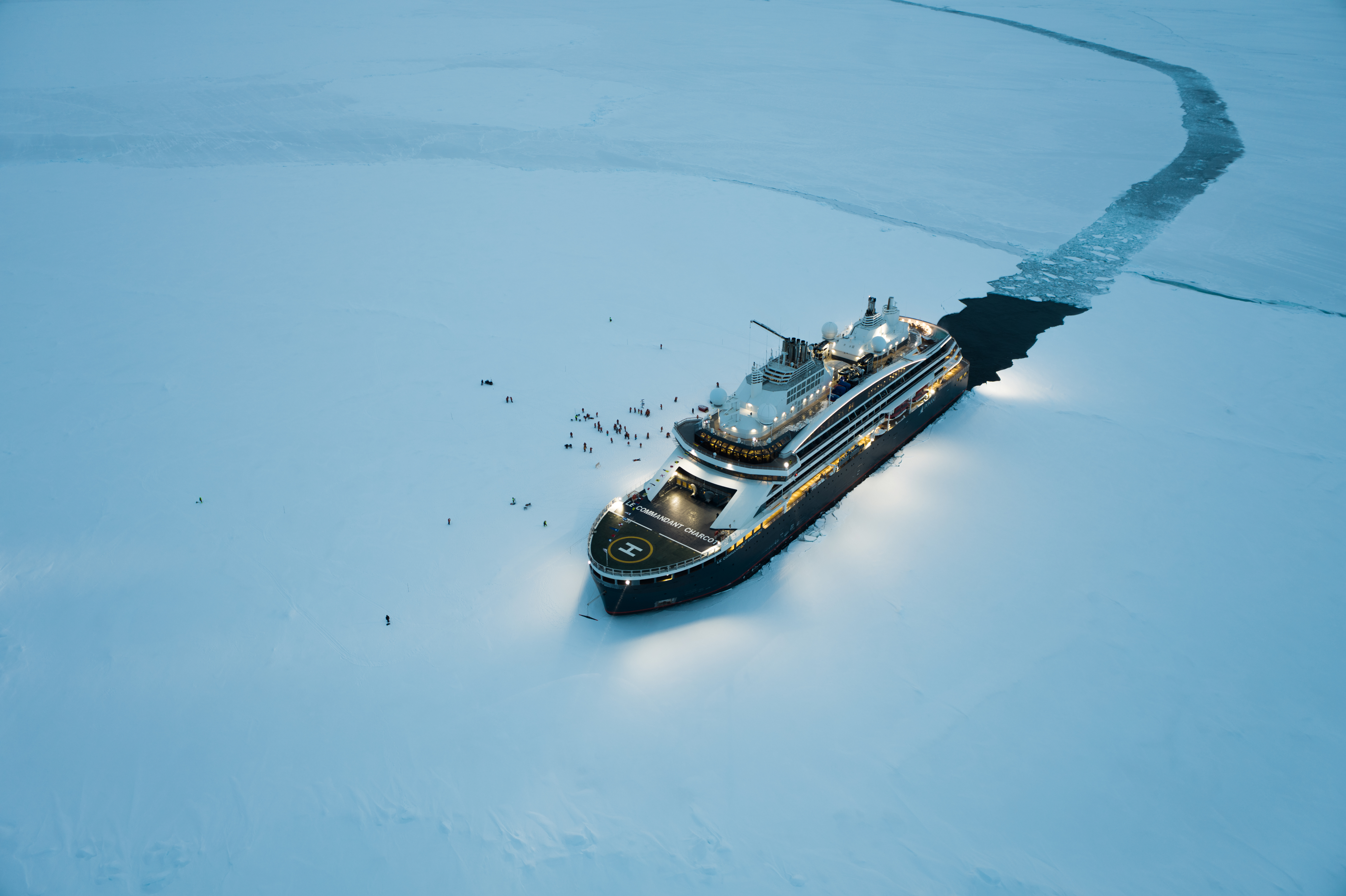
Still, this is a trip I’ve wanted to do for years, ever since I first saw a photo of Le Commandant Charcot, the world’s only luxury icebreaker and the only ship with Polar Class 2 classification. The ship—whose PC-2 label allows it to navigate uncharted ice floes and shifting glaciers year-round—stood like a monolith, completely surrounded by a field of Arctic ice. The image was unreal to me; I didn’t know such a thing could exist. Could I really explore the Arctic Circle, chicly bundled up in a fur-lined hooded parka, then return to a luxury ship to be greeted with hot toddies and Champagne? I was determined to make it happen, so I signed on for a 10-night Ponant Explorations voyage this summer to explore East Greenland and the Arctic Circle.
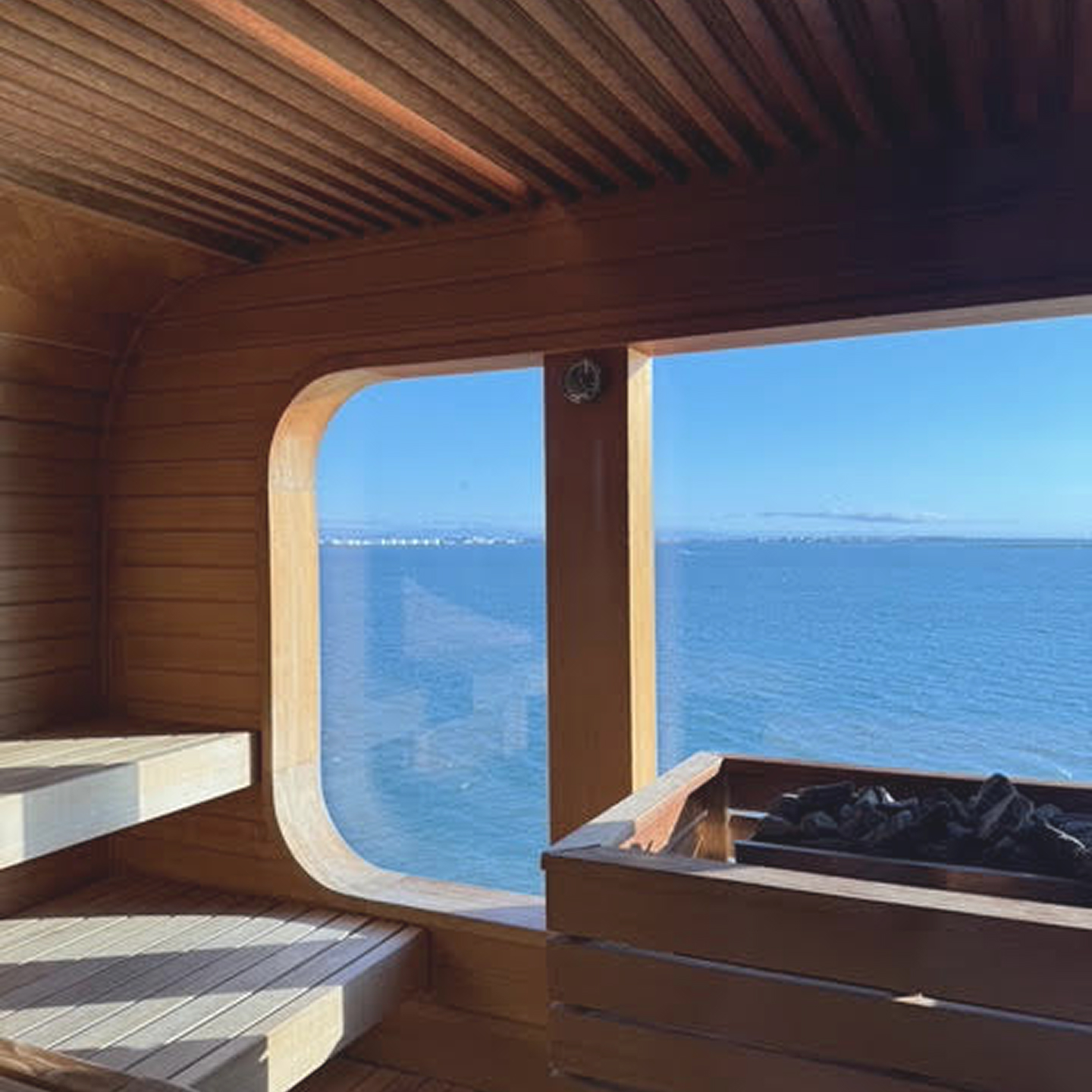
Instead of the hot tea or Kahlúa offered in the plunge tent, I opt to return to Le Commandant Charcot to thaw out in the sauna. While there, I recall something a friend told me recently. He said that sometimes we confuse anxiety with excitement, and that the nervous energy we feel for something doesn’t have to be negative. We can put a positive spin on it. Turns out, I hadn’t been dreading the polar plunge—I’d been excited about it the whole time. Excited for the challenge, excited for the bragging rights, and excited to know that I’m probably a bit tougher than I think.
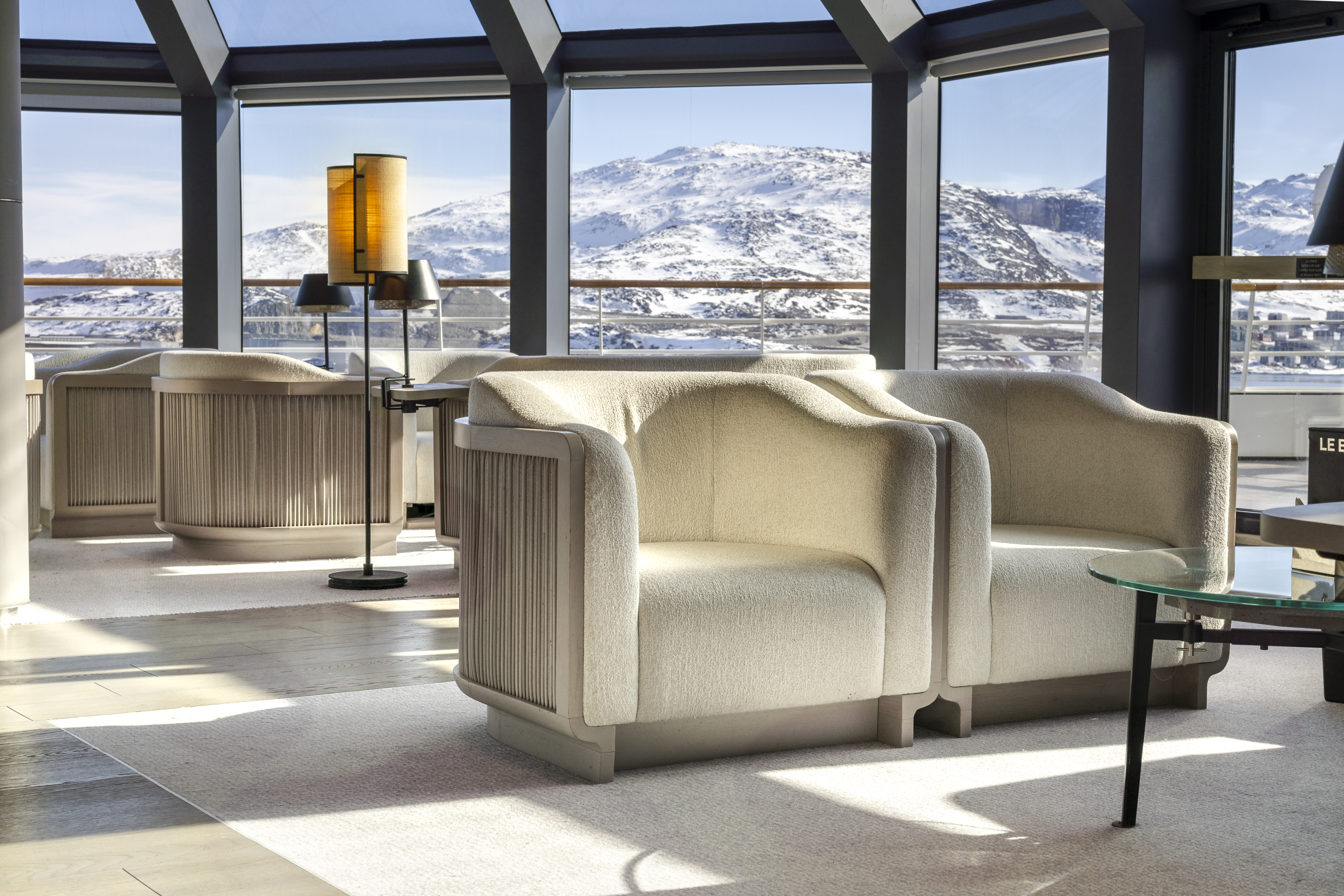
Le Commandant Charcot Lounge (Photo Credit: PONANT / Julien Fabro)
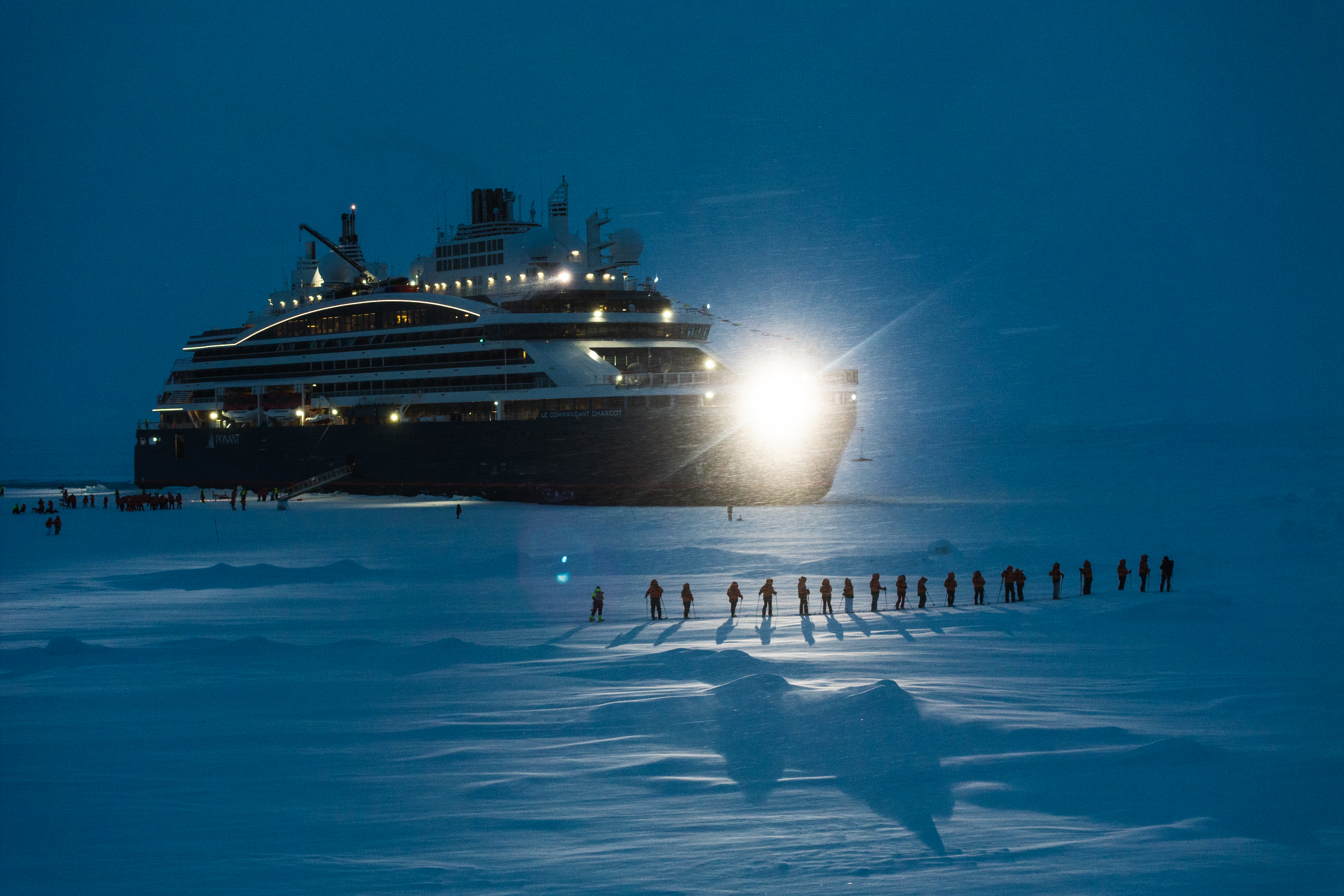
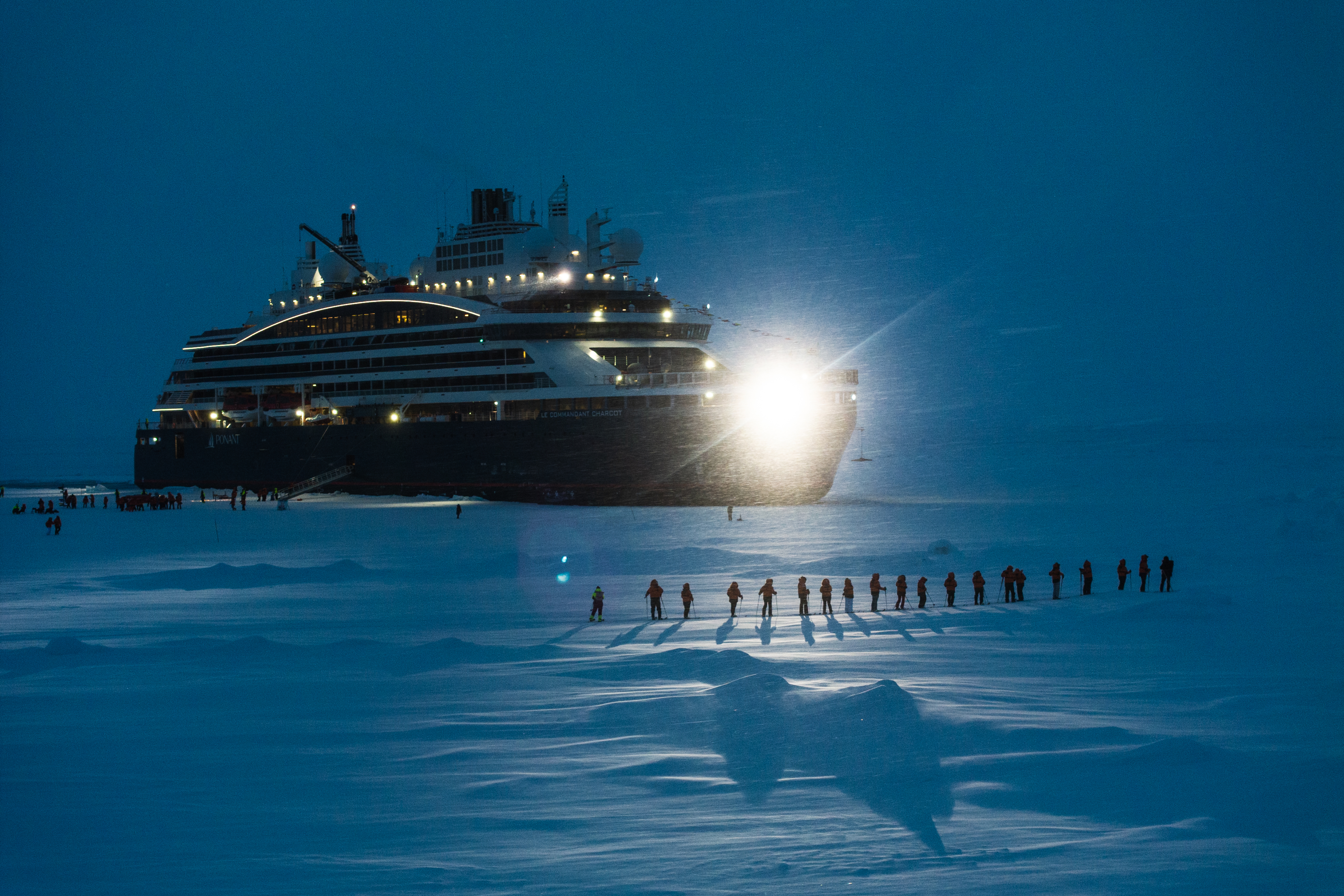
Le Commandant Charcot in the North Pole (Photo Credit: PONANT / Benjamin Hardman)
TBD
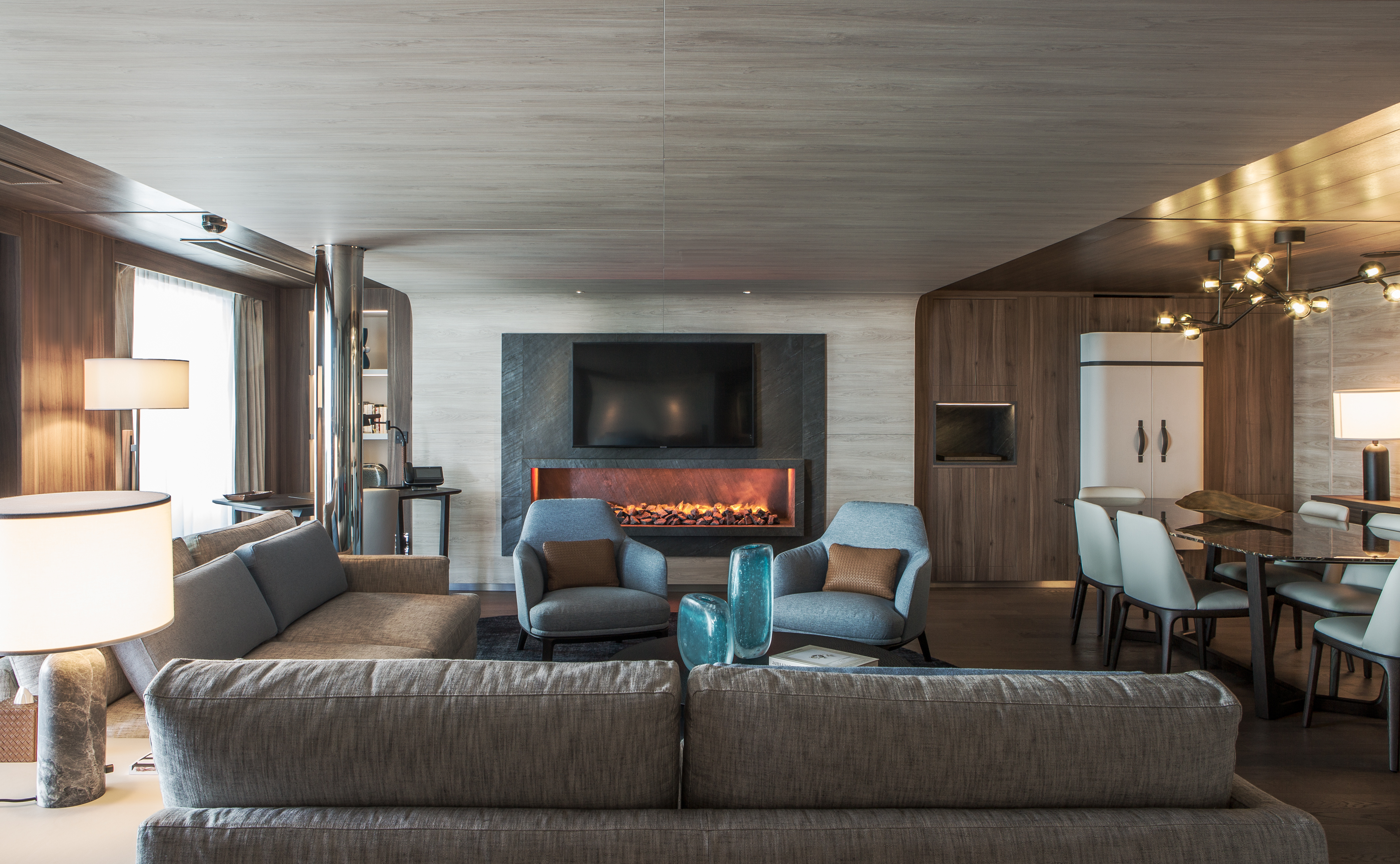
The Owner’s Suite on Le Commandant Charcot (Photo Credit: PONANT / Gilles Trillard)
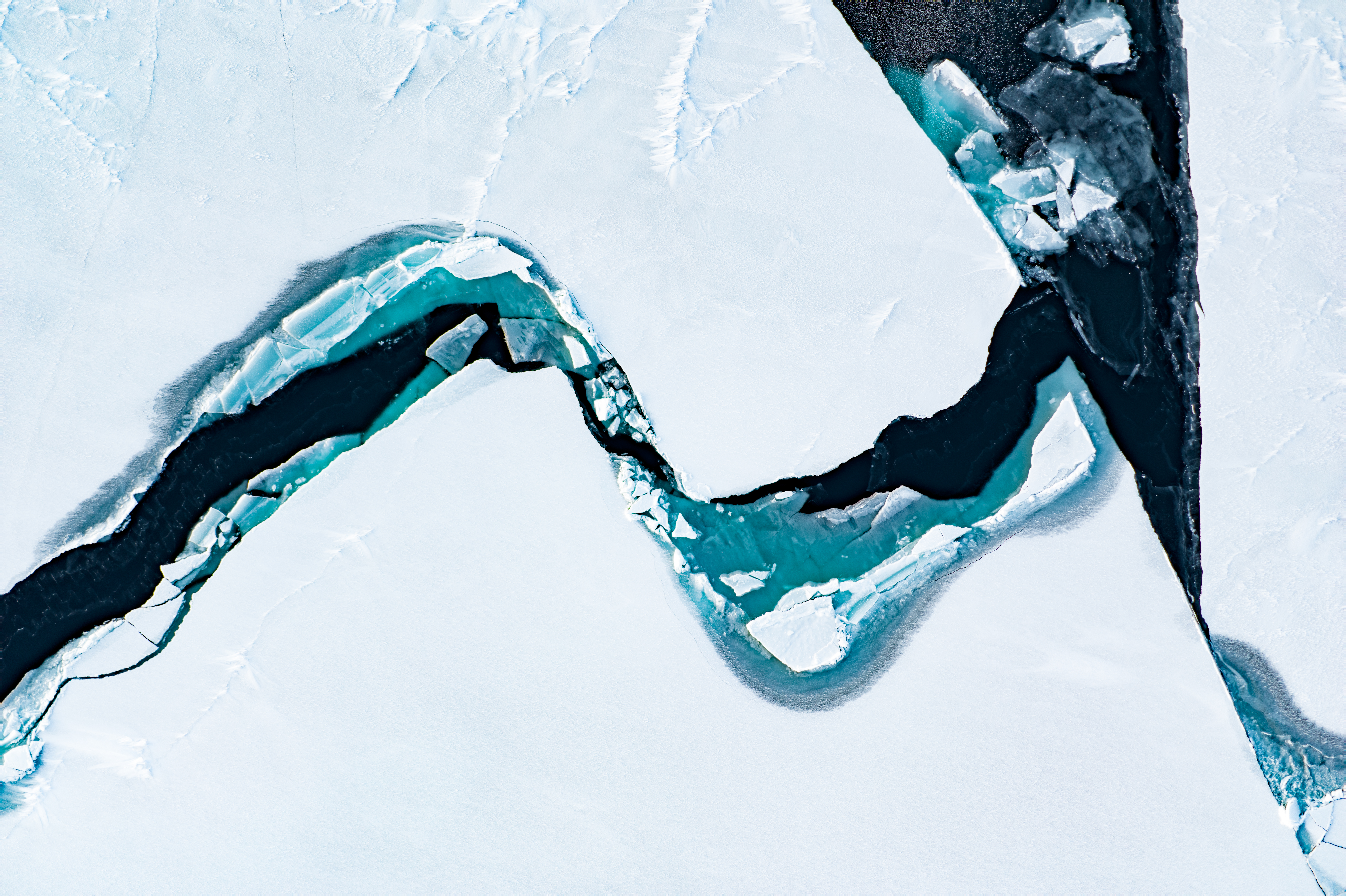
Le Commandant Charcot Breaking Through Ice (Photo Credit: PONANT / Benjamin Hardman)
Woman relaxing on Le Commandant Charcot (Photo Credit: PONANT / Gilles Trillard)
Sauna on Le Commandant Charcot (Photo Credit: PONANT / Samantha Brooks)
Le Commandant Charcot in Greenland (Photo Credit: PONANT / Marvin Kuhr)
Guests aboard Le Commandant Charcot get ready for the polar plunge experience. (Photo Credit: Samantha Brooks)
Writer Samantha Brooks braves the frigid conditions of a true polar plunge. (Photo Credit: Samantha Brooks)
The Owner’s Suite on Le Commandant Charcot (Photo Credit: PONANT/Gilles Trillard)
Le Commandant Charcot Lounge (Photo Credit: PONANT/Julien Fabro)
By Naomi Tomky
With the introduction of new adventures on a luxury exploration ship, the company offering the legendary M/S Paul Gauguin is bringing its regional expertise to the far corners of paradise.
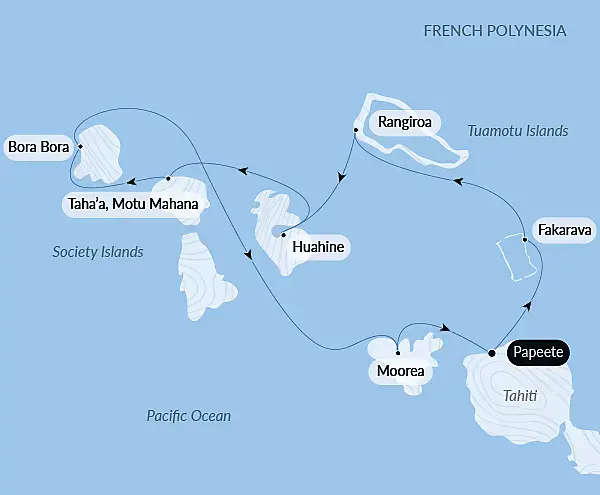
A double rainbow arched up from the black-sand beach of Tahiti, welcoming me on my first morning on the island and beckoning toward the stretch of moana, or ocean, in front of me and the islands beyond. The colors called me to the adventure ahead—to the tropical blooms of Huahine, the shaded river of Raiatea, and the crystalline lagoon of Bora Bora. My first taste of French Polynesia’s splendor, the rainbow left me hungry for more.
On a map, it is easy to group islands geographically into archipelagos, like the Society Islands, through which I sailed for a week aboard the M/S Paul Gauguin from Tahiti. But when you approach the islands from the water, each unfolds individually, slowly, and stunningly, like a shy peacock revealing its plumage.
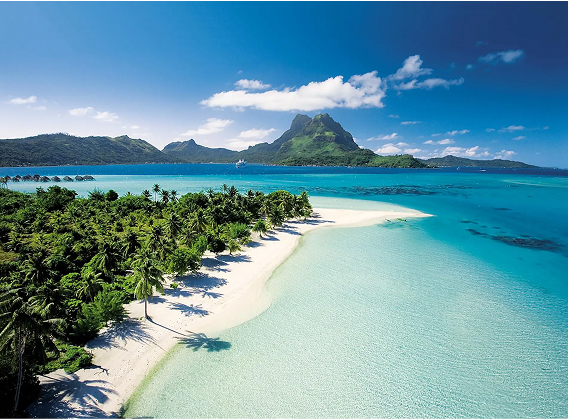
Huahine’s spiking emerald ridges poked up toward the sky as we approached from the east; in Fare, palm-leaf-wrapped street signs telegraphed the island’s commitment to greenery. I walked past diners sipping tropical drinks on the water’s edge to a white-sand beach and turquoise lagoon. My family and I were alone in the water, save for the ruffle-edged clams with electric-blue lips, a rather large octopus, and shy eels slithering from the coral. Later, we admired their cousins from the pier as we boarded the tender back to the ship, sailing away at sunset.
A gentle breeze ruffled the skirt of clouds around Mount Temehani as I disembarked the next day on Raiatea. This time, I plopped into a kayak at the wide entrance of the Fa’aroa, French Polynesia’s only navigable river. The waterway narrowed quickly, embracing me in its high banks, shimmering with jungle leaves and dangling banana blossoms overhead as I paddled through a parade of floating sea hibiscus flowers.
By the time we reached Bora Bora, I understood that—by ship, by snorkel, or by oar stroke—French Polynesia is best experienced from the water. One can certainly visit this part of the world by land, but each time I arrived on a new island, I found myself stepping off and into the water almost immediately.
That sea-centric approach to exploring the region’s natural and cultural wonders is where Paul Gauguin Cruises, French Polynesia’s destination expert, excels—and where the line’s parent company, Ponant Explorations Group, will continue to grow. For more than a quarter-century, the Gauguin has specialized in the region, building local connections and unmatched expertise. Next year, Ponant Explorations will put down even deeper roots when it brings the luxury explorer ship Le Jacques Cartier to French Polynesia.
Le Commandant Charcot is the world’s only luxury icebreaker and only ship with Polar Class 2 (PC-2) classification. (The other comparable icebreakers are operated by the Coast Guard.) The 150-meter-long ship can host as many as 245 passengers in 123 cabins. Setting a precedent for responsible and sustainable polar exploration, the ship boasts a hybrid electric propulsion system powered by liquefied natural gas (LNG) as well as other technologies that reduce noise and vibrations and help preserve the natural environment.
“We’ve called French Polynesia home for more than 26 years, and we’ve always been deeply passionate about the region,” says Samuel Chamberlain, CEO of Ponant Explorations Group Americas. “Deploying Le Jacques Cartier builds on our expertise and gives us the opportunity to showcase one of the most beautiful places on Earth in a new and exciting way.”
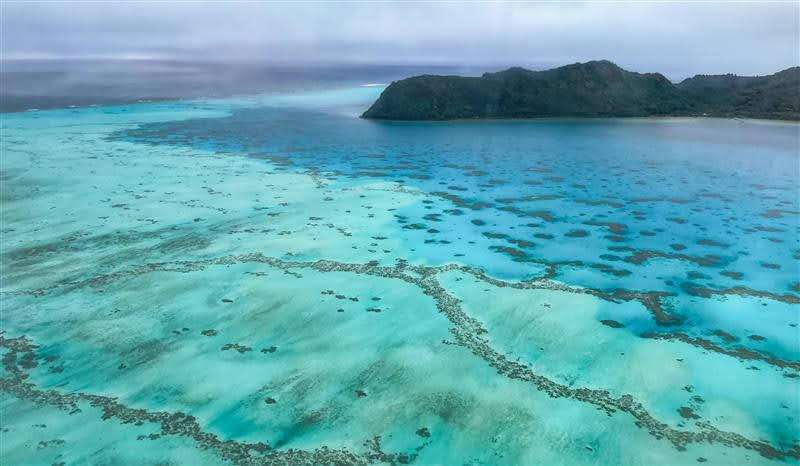
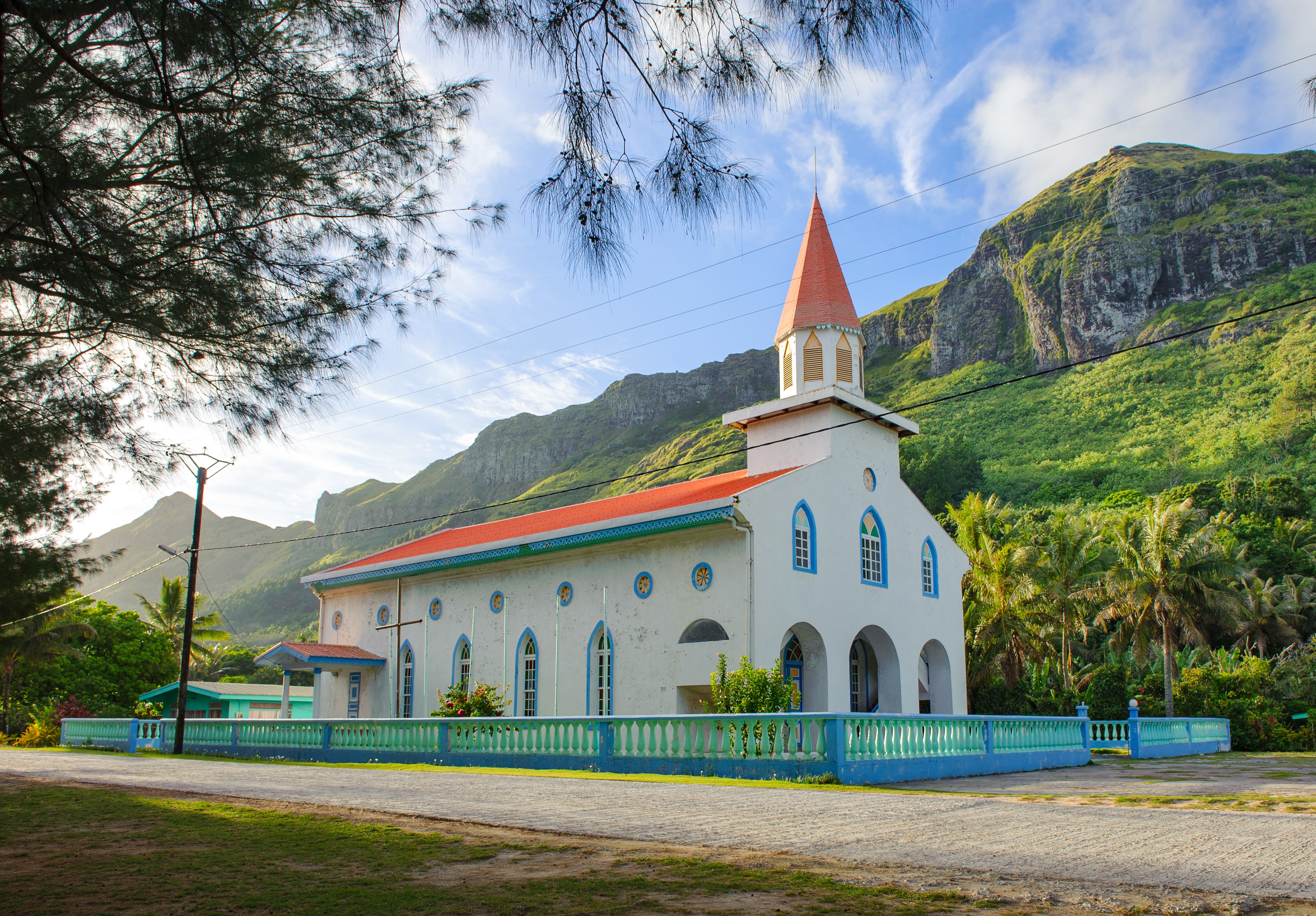
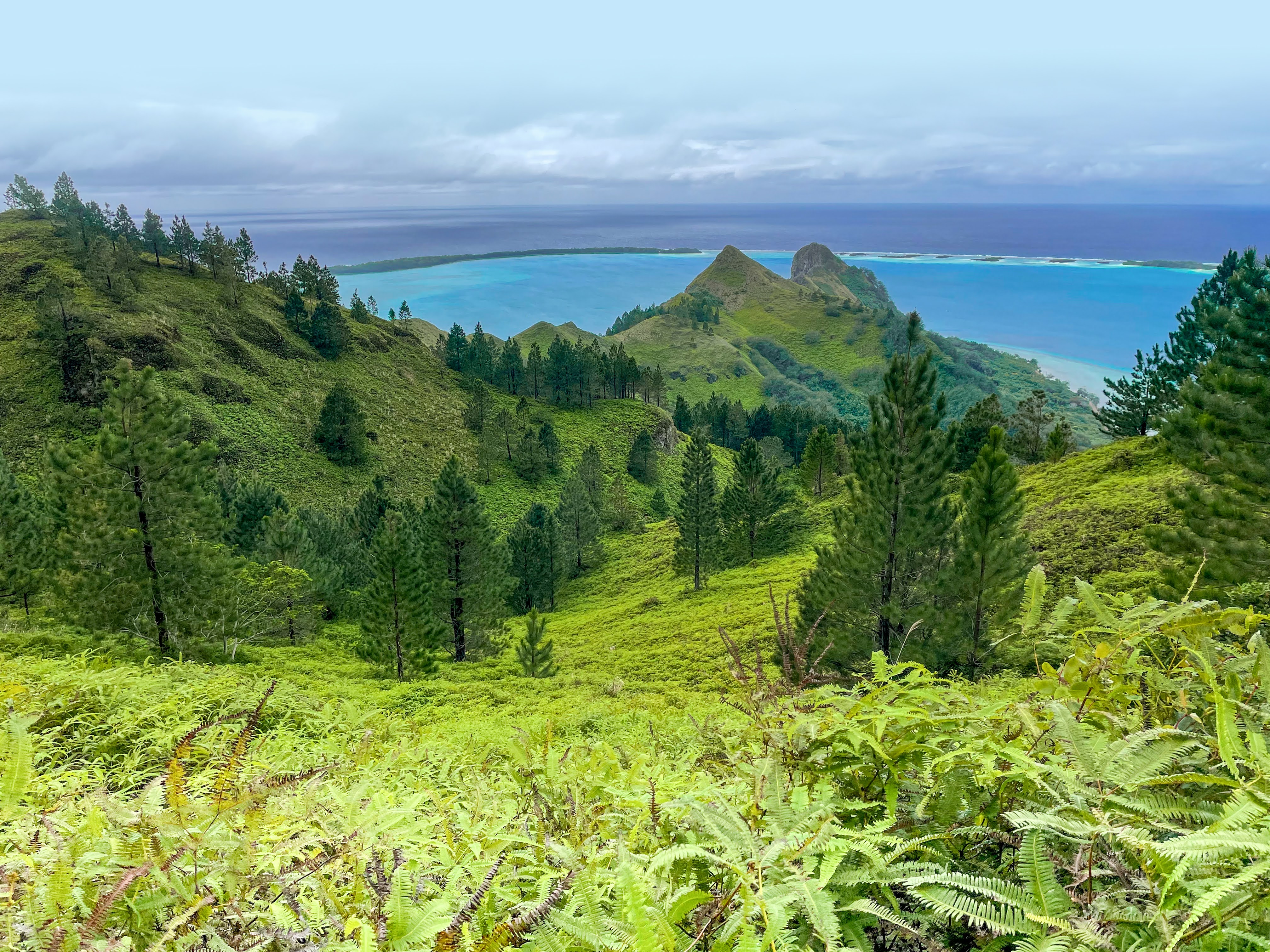
French Polynesia spans more than 100 islands and atolls spread over some 1,200 miles, but few visitors ever make it beyond Tahiti and its Society Island siblings. Ponant Explorations’ new expedition itineraries aboard Le Jacques Cartier will take guests farther afield and closer to the magic of the outer islands—literally and figuratively. The ship will head deep into the rugged, wild Marquesas Islands, where craggy ocean cliffs lead up to sacred archaeological sites. Itineraries will also bring travelers to the gentle, low-lying atolls of the Tuamotus, to the remote Austral and Gambier Islands (where the Gauguin doesn’t visit), and to the tiny island of Aukena, home to just 30 residents. These rare encounters set Le Jacques Cartier apart, delivering a unique blend of discovery that few other voyages can match.
Ponant Explorations Group mined its expertise in French Polynesia to create the itineraries for Le Jacques Cartier, consulting with the Gauguin’s captains. “We have an assumption that for a lot of people who have fallen in love with French Polynesia on board the Gauguin, we could convince them to try French Polynesia a different way,” Chamberlain says.
I, for one, will require no such convincing.
Part of Ponant Explorations’ Explorer class, the ship is small and nimble, allowing it to slip into shallow lagoons and sail to far-flung islands. Ponant Explorations, in fact, will be the only cruise line to call on all five archipelagos in French Polynesia.
“These ships are meant for expedition,” says Chamberlain. “She is going to provide just a completely different viewpoint on the destination, going where no other cruise lines are going while keeping environmental stewardship at the forefront of our approach.”
Our voyage in the Society Islands came to an end in Papeete, where, as the Gauguin pulled into the harbor, we were greeted once again by a rainbow.
Hiking for every level (from mild walks to more intense treks), sea kayaking among glaciers and sea life, and a true polar plunge are all standard activities. However, some of the most memorable moments are the ones spent gazing out the window from your private balcony or the top-floor lounge—or being called out to the deck by the captain to see a polar bear roaming the icy expanse.
Beyond Bora Bora
Ponant Explorations’ Explorer-class Le Jacques Cartier launches new tropical expeditions for the 2026–2027 season, offering immersive journeys through French Polynesia’s most remote islands. Three new 14-day itineraries begin in Tahiti, sailing through the Tuamotu Islands before exploring the secluded Austral, Gambier, and Marquesas archipelagos. Each day features a guided naturalist or cultural activity, and guests can kayak, snorkel, or paddleboard directly from the ship’s onboard marina. Designed with the latest energy-saving and low-emissions technology, Le Jacques Cartier blends sustainable innovation with French-style luxury.
[The ship] is going to provide just a completely different viewpoint on the destination, going where no other cruise lines are going.”
Ponant Explorations’ Explorer-class Le Jacques Cartier launches new tropical expeditions for the 2026–2027 season, offering immersive journeys through French Polynesia’s most remote islands.
Like the Gauguin, Le Jacques Cartier is designed with sustainability in mind. The new ship is equipped, for example, with shell and sea creature detectors, an electronic positioning system that negates the need for anchoring, and a low-emissions propulsion system—all helping to preserve the ecosystems through which it navigates.
But discovering these rarely visited islands on land is just the beginning. Onboard amenities take the experience even further, such as the ship’s Blue Eye Lounge—a panoramic underwater space where guests are immersed in the sights and sounds of the ocean, creating the sensation of being underwater without ever getting wet.
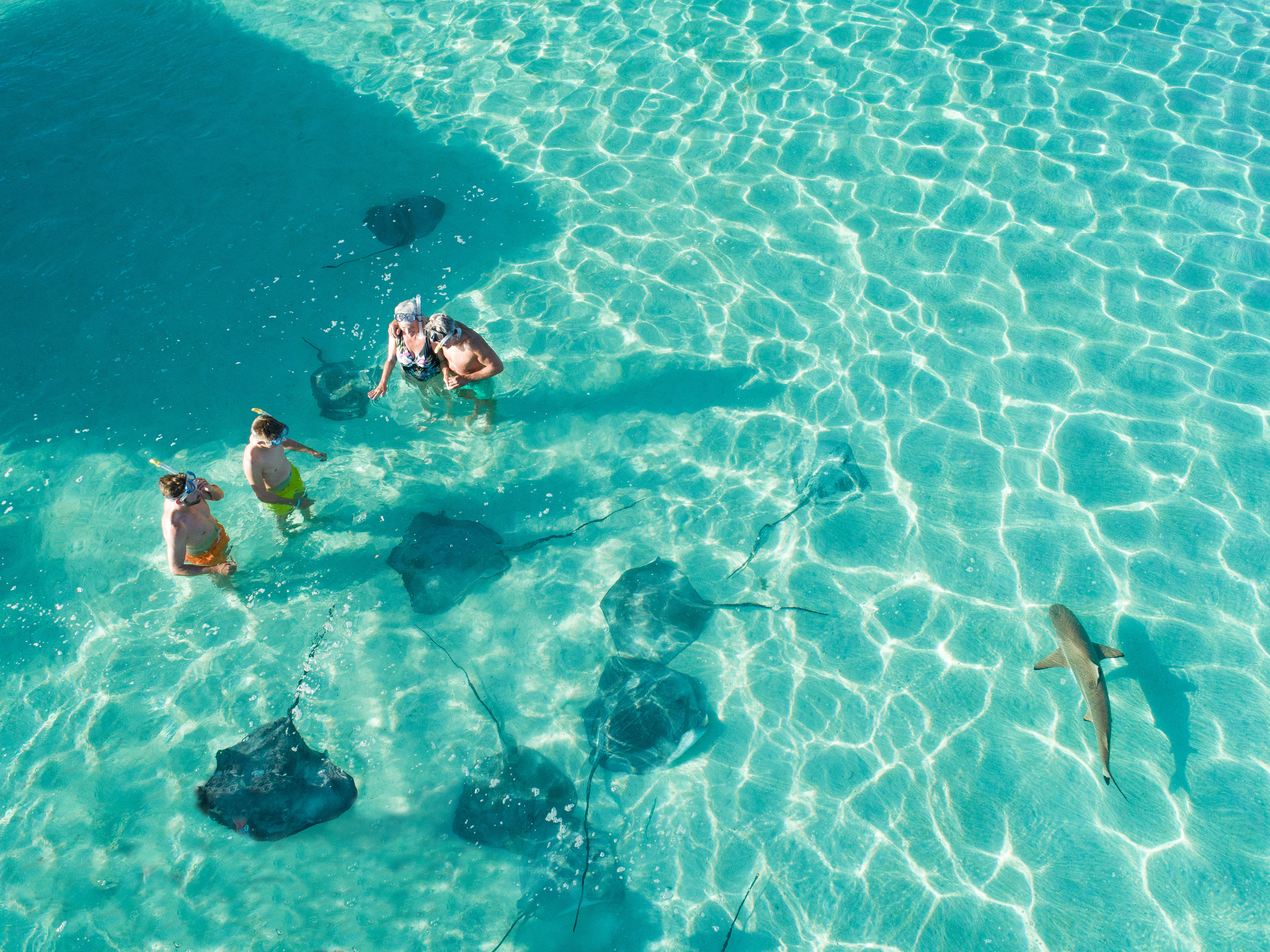
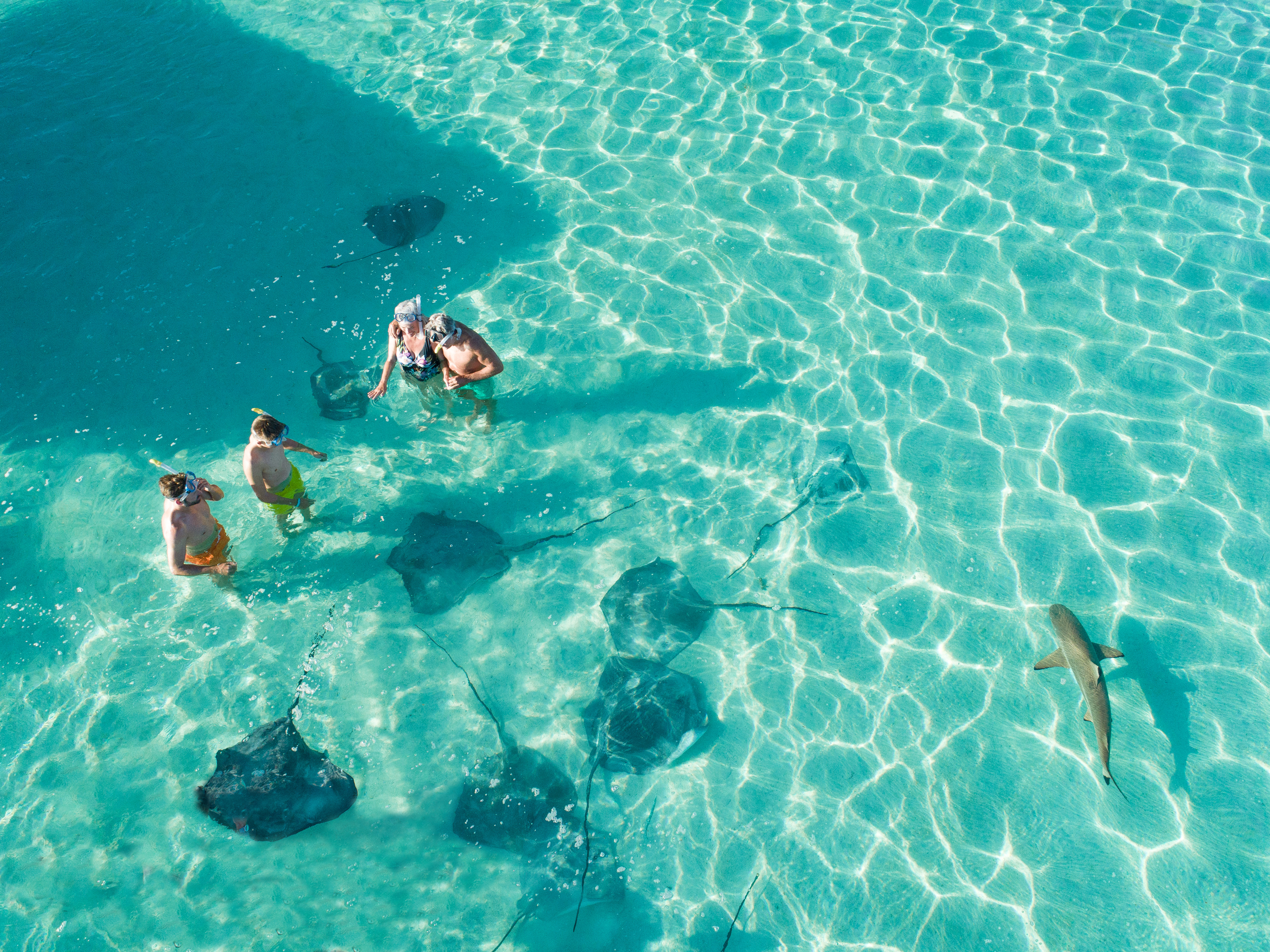
Back on Bora Bora, my feet barely touched the pier before I left it again, heading out to the fortress-like reef that protects the glassy-smooth lagoon from the ferocity of the open ocean. I came to swim with the curious rays and gentle blacktip sharks, but as they swirled about my legs in the chest-deep water, I was completely distracted by the action on the far side of the reef: a pair of humpback whales breaching in unison with the grace and coordination of Olympic synchronized swimmers.
The ship’s 92 staterooms and suites, each with its own balcony, embody the classic French-style luxury for which Ponant Explorations is known, while ensuring guests never miss any of those perfect peacock moments. An onboard marina drops hydraulically from the back of the ship to quickly deploy Zodiacs for excursions and landings, bringing guests straight to places like Rapa Iti, where the only other access is via the container ships dropping supplies.
The Blue Eye “underwater” lounge on Le Jacques Cartier (Photo Credit: PONANT/Vutheara Kham)
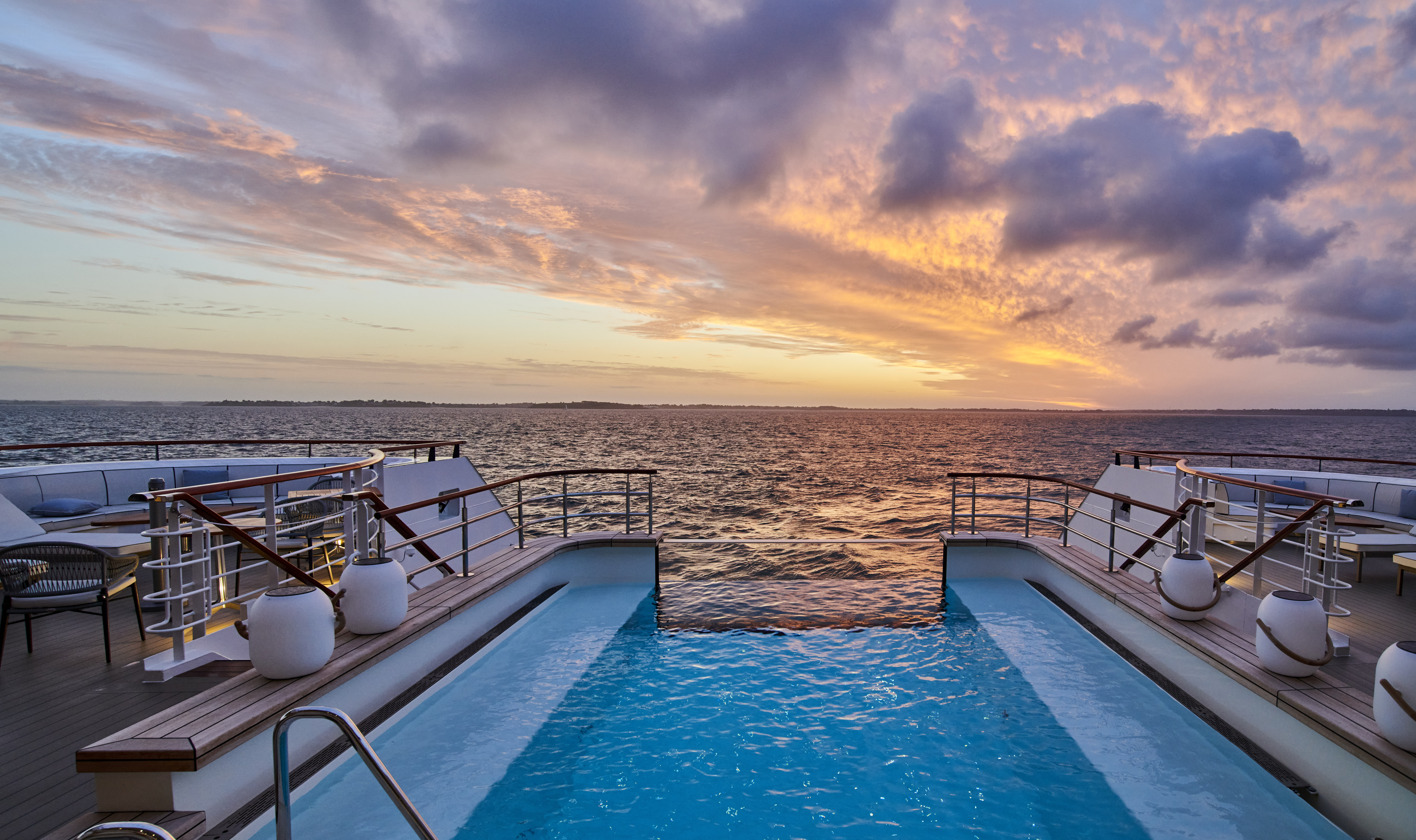
Aft Infinity Pool on Le Jacques Cartier (Photo Credit: PONANT / Mike Lougie)
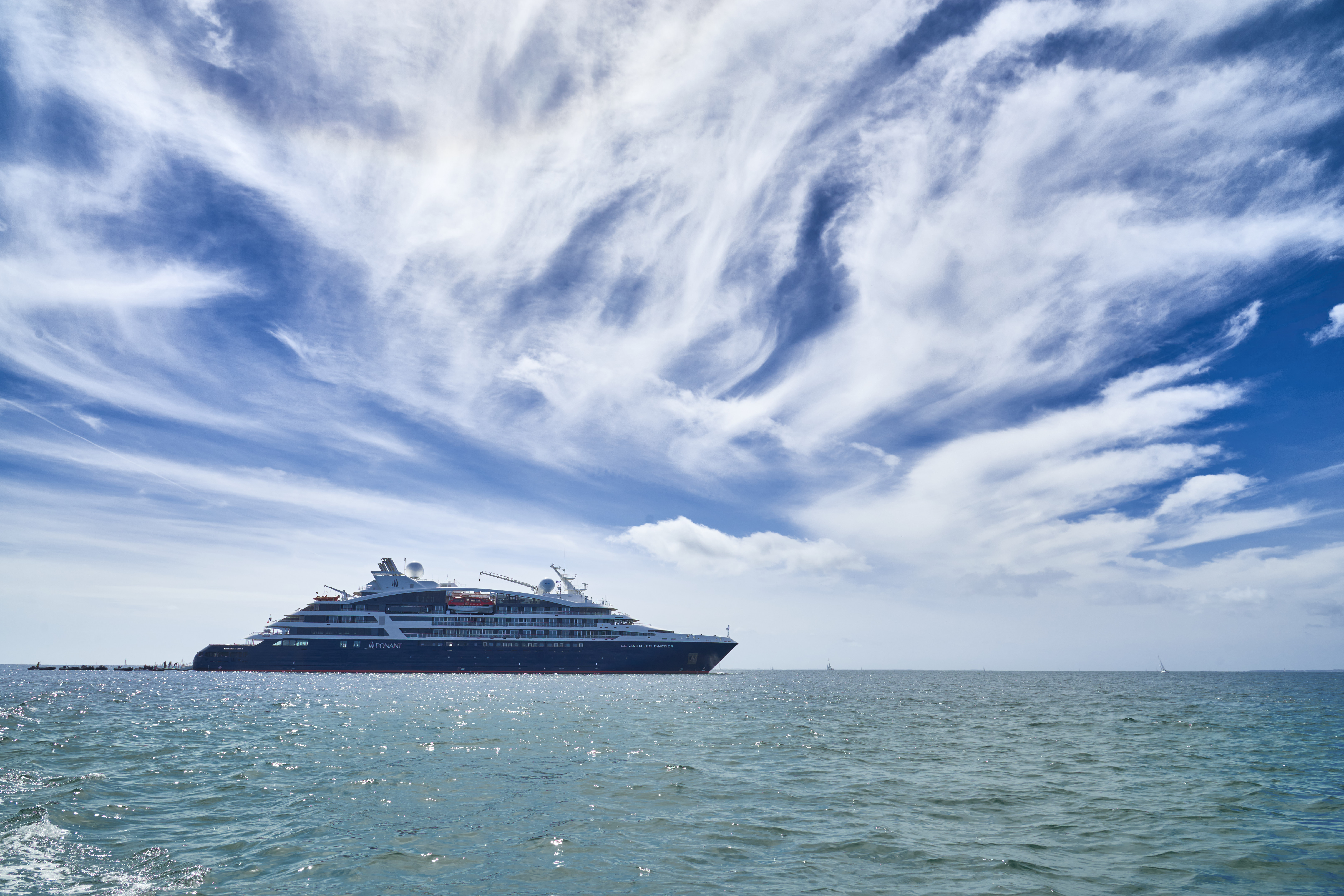
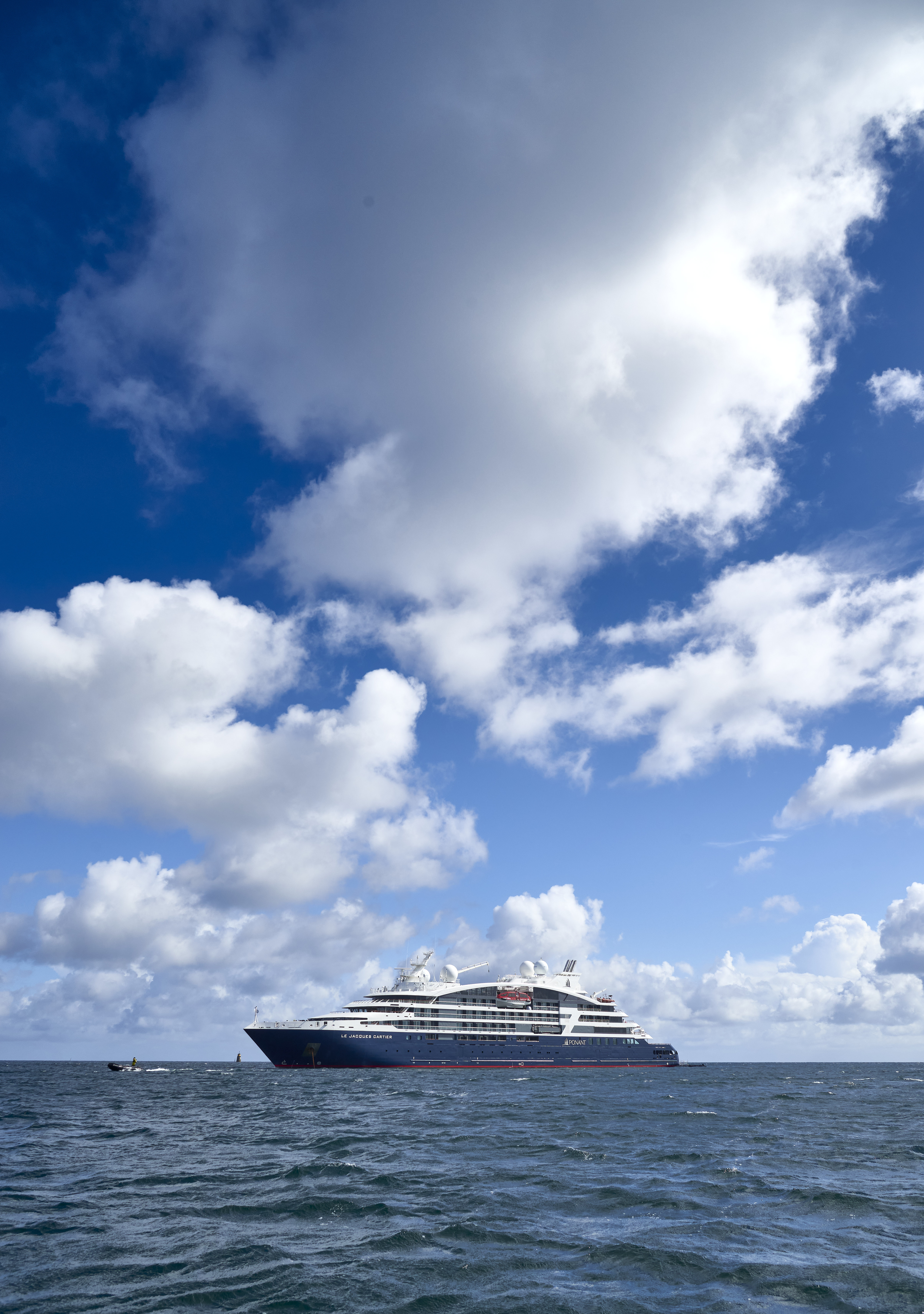
Le Jacques Cartier (Photo Credit: PONANT / Mike Lougie)
Town in Raivavae, the Austral Islands (Photo Credit: Paul via Adobe Stock)
Raivavae, the Austral Islands (Photo Credit: Azathoth Pics via Adobe Stock)
The Owner’s Suite on Le Jacques Cartier (Photo Credit: PONANT / Vutheara Kham)
Mount Hiro in Raivavae, the Austral Islands (Photo Credit: Azathoth Pics via Adobe Stock)
The Owner’s Suite on Le Jacques Cartier (Photo Credit: PONANT/Vutheara Kham)
Le Jacques Cartier (Photo Credit: PONANT/Mike Lougie)
Aft Infinity Pool on Le Jacques Cartier (Photo Credit: PONANT/Mike Lougie)
October 1, 2025
With small ships and unique itineraries, Ponant Explorations’ luxury adventure voyages show off the most breathtaking and remote corners of the world—no long-haul flight required.
The water near Guerrero Negro on the Baja Peninsula acts like a luxury birthing suite for gray whales: The high salinity and warm water give the newborn calves a cushy early life, buoying them to the surface as they learn to swim. The alluring breeding grounds create some of the world’s best whale watching—for those who can get there. Guerrero Negro is a seven-hour drive from the nearest major town, Ensenada, and a touch longer south to La Paz.
Alternatively, it takes just about one day on board Ponant Explorations’ luxurious 92-stateroom Le Bellot to reach this UNESCO World Biosphere Reserve—the first stop on the line’s Exploration in the Heart of Baja California itinerary, debuting in 2027—before it continues to the bottlenose dolphins, ospreys, and blue-footed boobies of the Sea of Cortez. Ponant Explorations is the only cruise line to offer whale watching in Guerrero Negro and does so with a strict biosecurity protocol that ensures sustainable encounters.
“Most people know Cabo San Lucas, but travel three or four hours by small ship and you’re in a completely different world,” Chamberlain explains. “Even more familiar places like Cabo San Lucas will feel new to seasoned travelers because of how we deliver the experience.”
Americans are generally more conservative with their time, and with air travel getting more expensive and complicated, luxury adventure cruises to less-traveled, closer-to-home regions hold increasing appeal. “The Caribbean and Central America have a lot of other great waterways that are not as mass-market or heavily traveled,” Chamberlain says. “We’re not one of these wash, rinse, and repeat kind of expedition cruise lines. Our voyages are consciously designed in a way that enables our guests to support local efforts in a tangible way.”
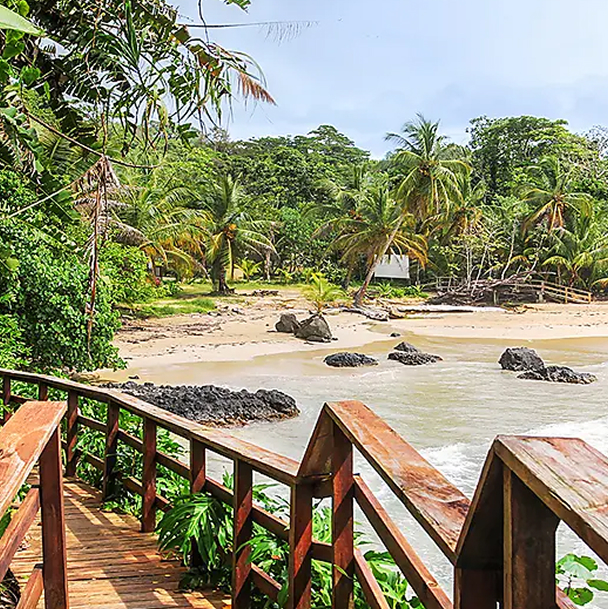
Ponant Explorations’ small ships allow the company to bring guests along narrower estuaries and into shallower coves—places larger vessels can’t reach. The Pearls of the Caribbean cruise stops in the Tobago Cays, a marine park of colorful coral reefs and secret coves, inhabited by peaceful green turtles and a rainbow assortment of fish—but no other humans. Ponant Explorations’ Secrets of Central America itinerary visits the scarlet macaws and spider monkeys of Costa Rica’s Curú Wildlife Refuge and calls at Playa Muerto in Panama’s Darién National Park, where the gap in the Pan-American Highway has made it one of the most famously remote regions of the world.
Spotlight Itineraries Experience Ponant’s signature blend of refined service and curated adventure on these select journeys.
Exploration in the Heart of Baja California, a new Ponant Explorations’ route, debuts in January 2027, with a 10-night, round-trip itinerary out of Cabo San Lucas. The Baja and the Sea of Cortez: In Search of the Great Whales cruise is setting sail on February 10 in alliance with Smithsonian Journeys. It includes shore excursions and activities and discussions with the two onboard experts.
“We’re cultivating off-the-beaten-track experiences closer to home, for time-strapped travelers seeking cultural depth, transformation, and less time spent flying,” Chamberlain adds. “Our itineraries are more esoteric, deliberately.” For guests, that doesn’t necessarily mean stringing together long-haul flights to get halfway around the world; it means getting curious about what’s nearby, too.
Into the Winter Wonderland of the Saint Lawrence
“Winter voyages on the Saint Lawrence River offer a completely different perspective on Québec—even for Quebecers,” Sarica says. Ponant Explorations’ luxury icebreaker Le Commandant Charcot rests in the ice pack on the Saguenay Fjord, where guests make their way by snowshoe and dogsled to join the locals in ice fishing. The ship sails on to the enchanting ice floes and forests of Sept-Îles, to meet the Innu people, the indigenous civilization of the Côte-Nord, and learn about their customs and traditions. “We give guests the opportunity to discover aspects of their own country they might not know,” he adds. “Unique flora and fauna, and communities far from the usual tourist routes.”
Ponant Explorations’ luxury adventure voyages give people the chance to indulge their natural human curiosities about the little-known parts of the world, something that can be done at the literal ends of the Earth, but also from places with short direct flights to Chicago, Seattle, or New York. It’s about playful whales, life-changing interactions, and awe-inspiring scenery. And, Sarica says, “It’s about genuine discovery and exploration.”
Cruising Central America
Cruising Baja
Cruising Montreal
Cruising CENTRAL AMERICA
Cruising MONTREAL
Guests on the February 13, 2027, sailing of The Saint Lawrence River in the Heart of the Boreal Winter, a 15-day itinerary departing from and returning to Montreal, have the option to add on a free ocean voyage from Bergen, Norway, to Montreal prior to the journey.
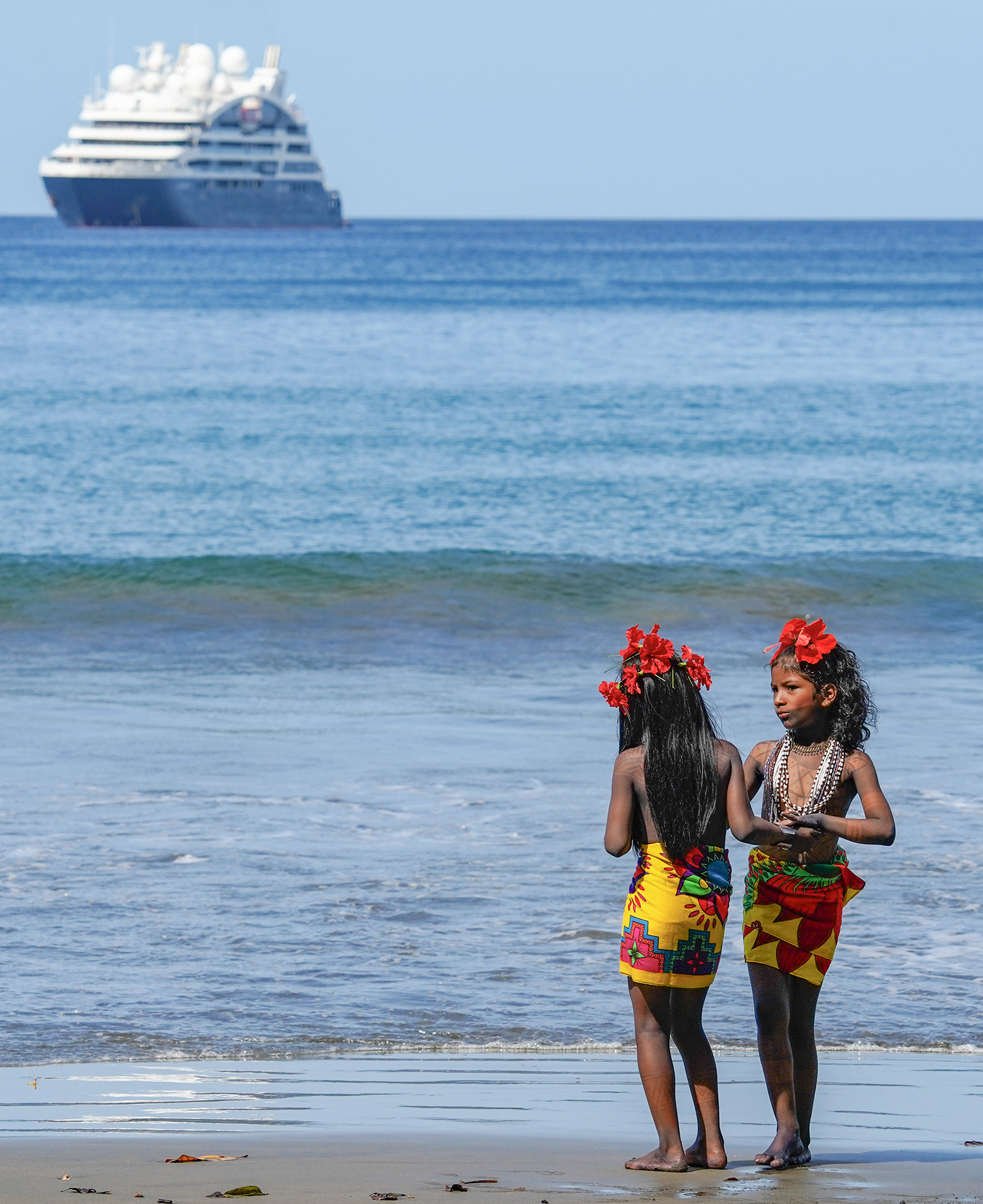
Ponant Explorations’ Secrets of Central America and Central America Jewels & Panama Canal itineraries sail regularly throughout the winter, and both stop at Playa Muerto, in Panama’s Darién National Park, where guests meet members of the local Emberá community.
We’re cultivating off-the-beaten-track experiences closer to home, for time-strapped travelers seeking cultural depth, transformation, and less time spent flying.”
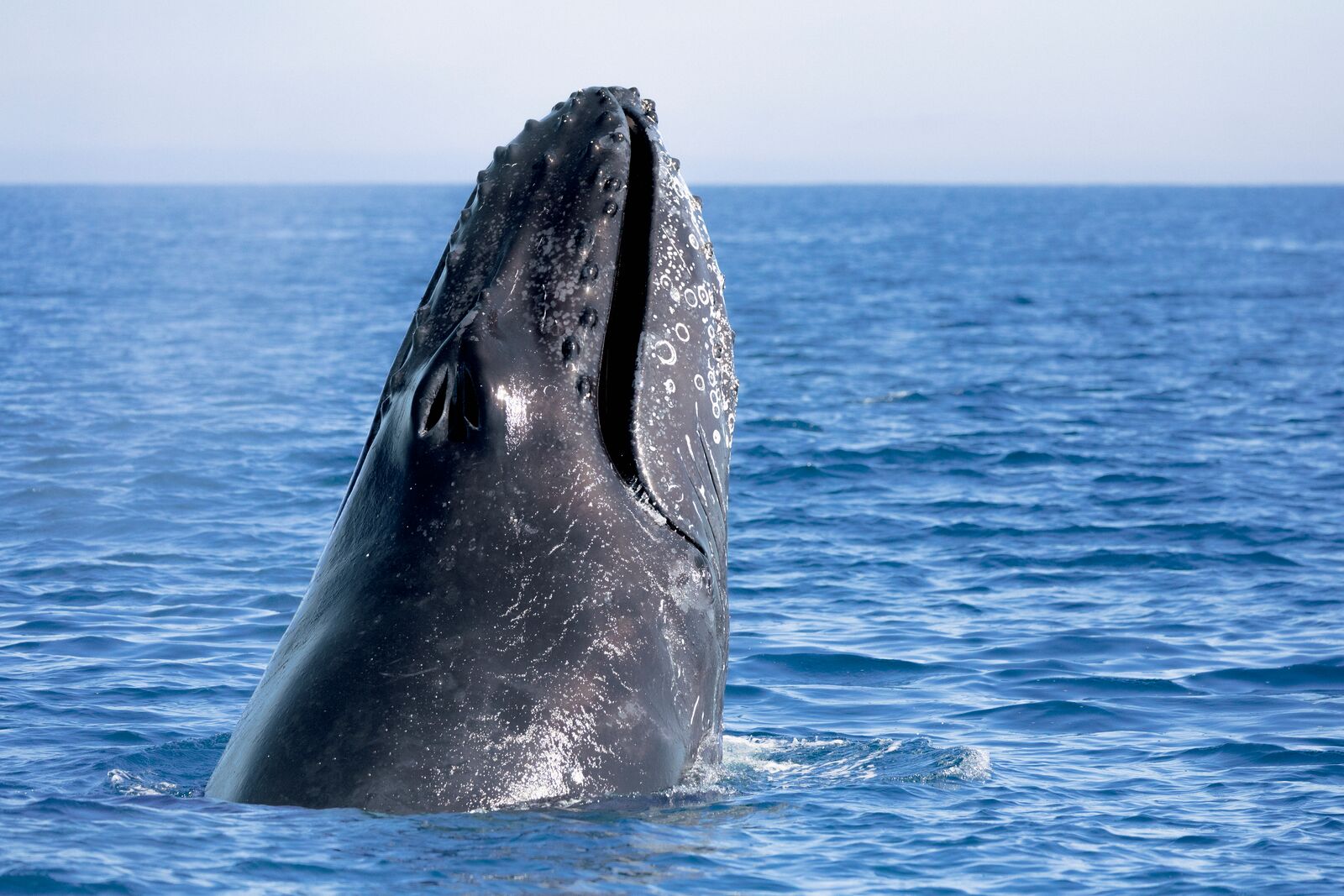
It’s an experience like no other, says José Sarica, the director of research and development for Ponant Explorations. “One of the goals of our voyages in North America is to take guests—even local ones—to places they don’t really know, often quite remote and inaccessible.” On a scouting trip to Baja, Sarica watched a humpback whale play in Magdalena Bay for hours, doing headstands and slapping the water, illustrating why this protected waterway is the best place to see them.
Luxury expedition cruising has been the hottest trend in travel, growing exponentially in the last few years. But while many of these types of active, adventurous itineraries head to the far reaches of the Earth—the Arctic, Antarctica, the Galápagos Islands—travelers are increasingly finding they can stay close to home and still have the same type of rare, moving experiences. “We want to push the boundaries and offer something new,” says Samuel Chamberlain, CEO of Ponant Explorations Group Americas—a big part of which is uncovering hidden gems closer to home, from the Great Lakes to Baja California.
A humpback whale in Magdalena Bay in Baja California Sur. (Photo Credit: PONANT / Julien Fabro)
Observers on the uninhabited Isla del Carmen in Mexico. (Photo Credit: PONANT / Julien Fabro)
Isla Cerralvo lies near La Paz in Baja California Sur, Mexico. (Photo Credit: PONANT / Julien Fabro)
(Photo Credit: PONANT)
Aerial view of palm trees in San Ignacio, Mexico. (Photo Credit: PONANT / Julien Fabro)
(Photo Credit: PONANT / Benjamin Hardman)
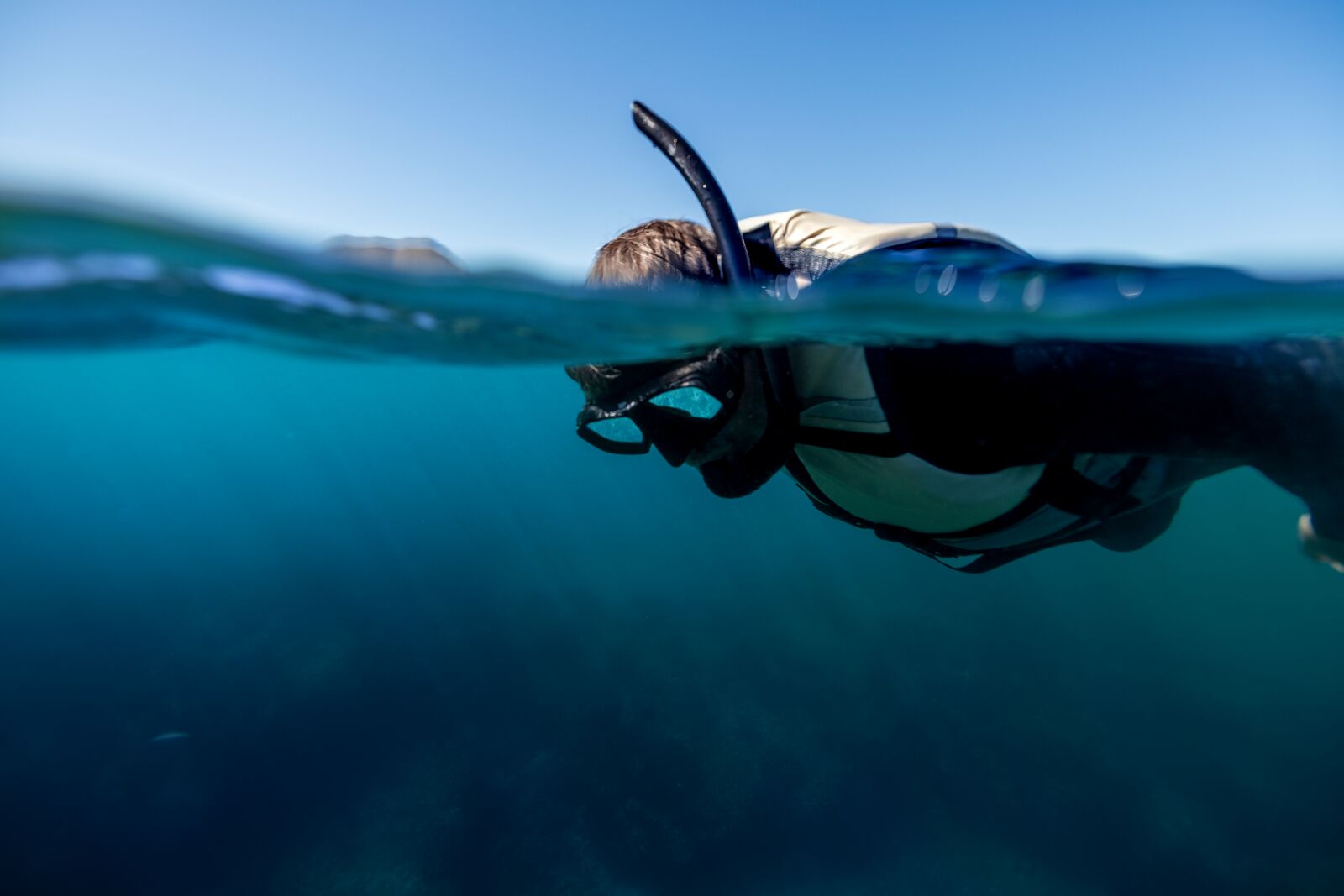
Snorkeling in Mexico’s Cabo Pulmo. (Photo Credit: PONANT / Julien Fabro)
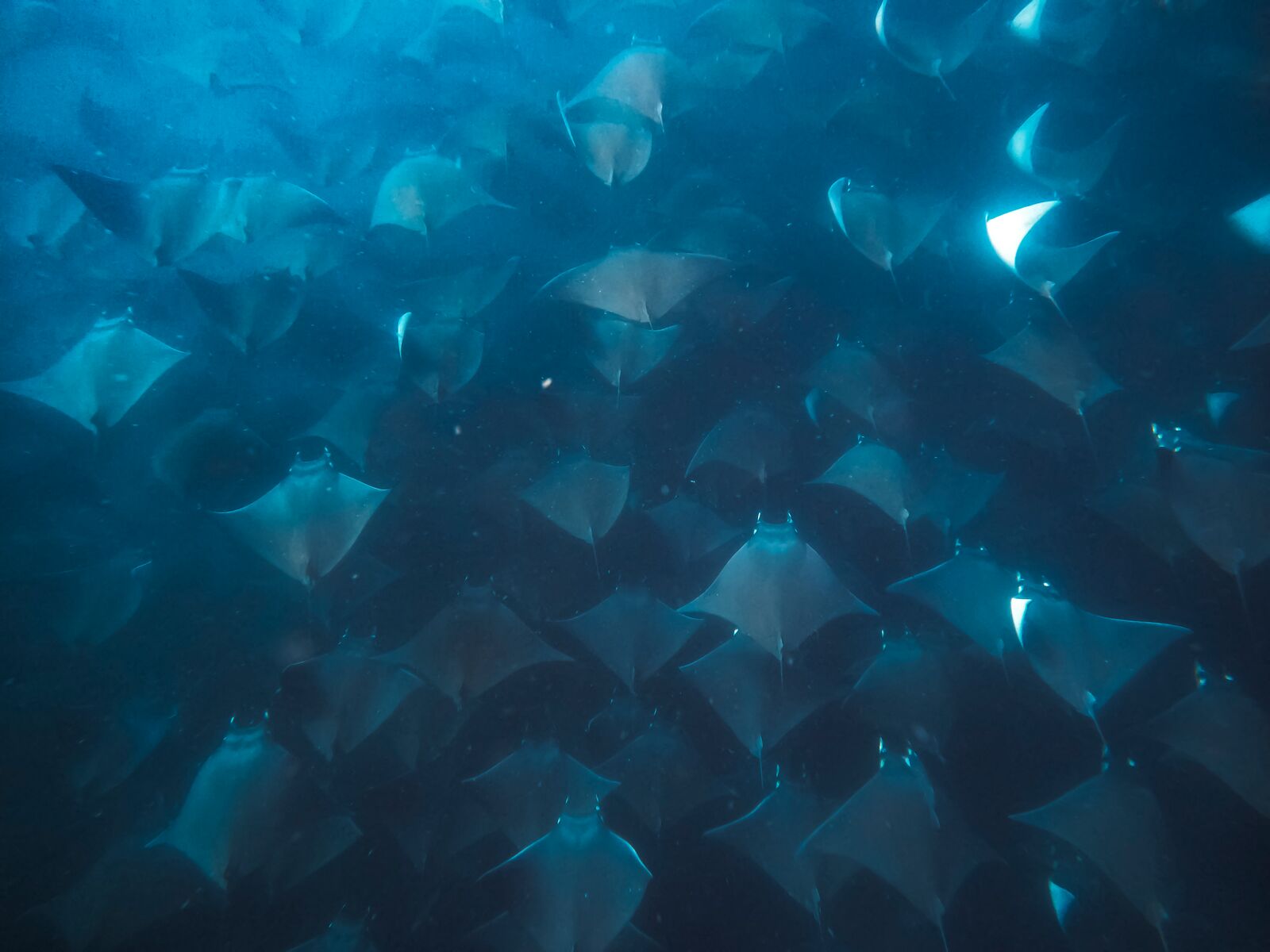
A group of devil rays in Cabo Pulmo, Mexico. (Photo Credit: PONANT / Julien Fabro)
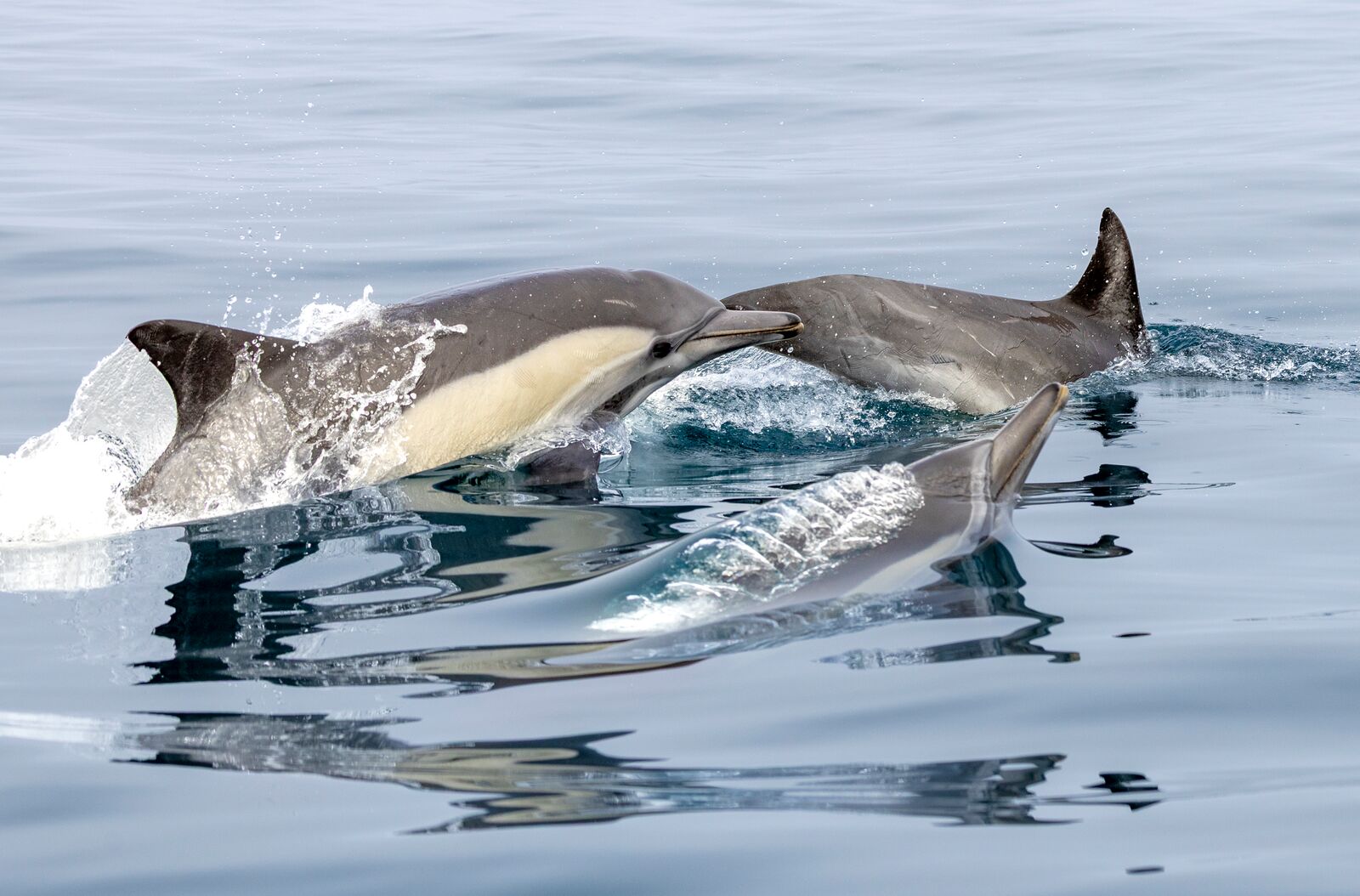
Dolphins in Magdalena Bay in Baja California Sur. (Photo Credit: PONANT / Julien Fabro)
Cruising the Great Lakes
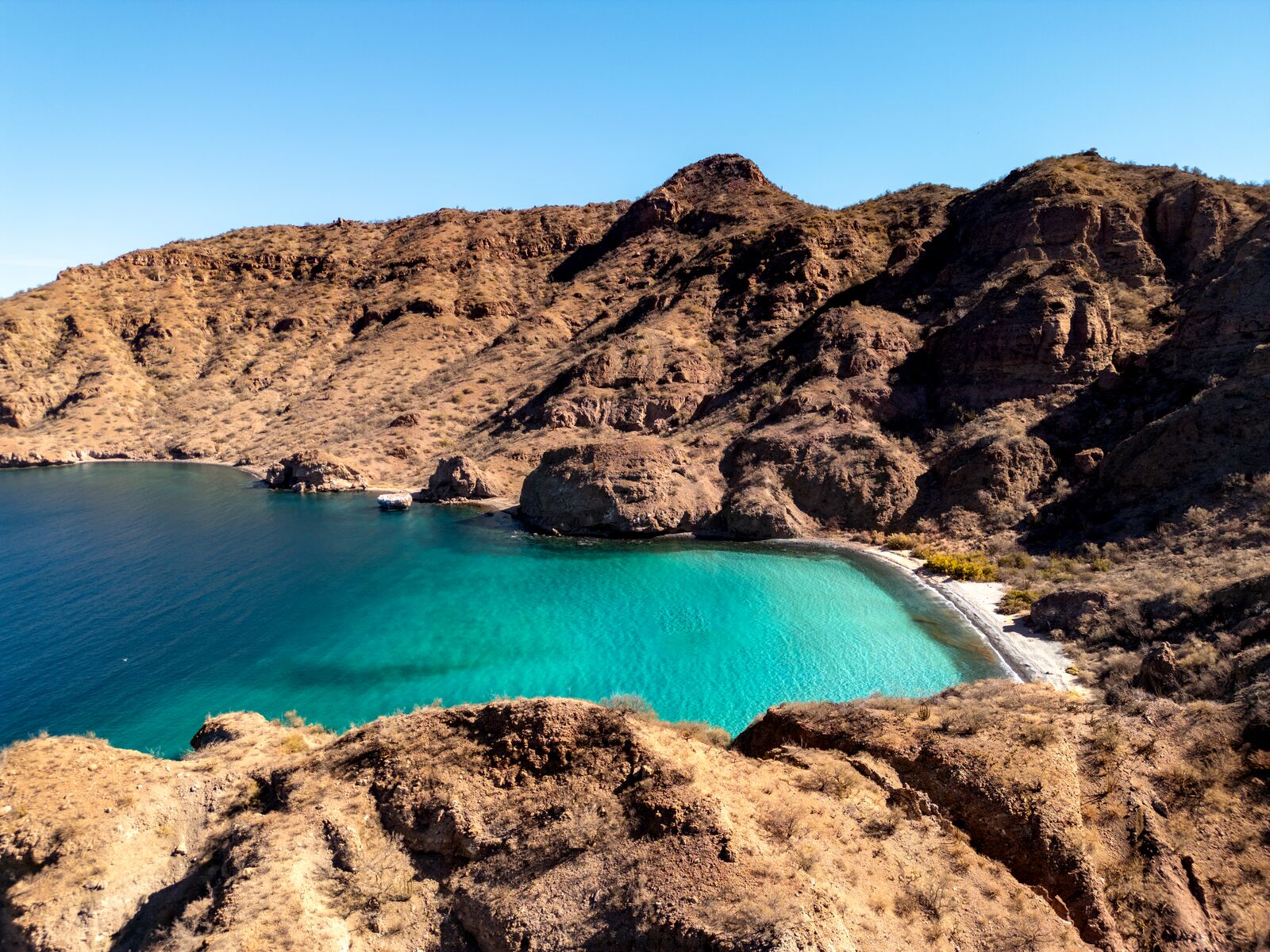
The turquoise waters of Isla de Danzante, Mexico. (Photo Credit: PONANT / Julien Fabro)
Cruising THE GREAT LAKES
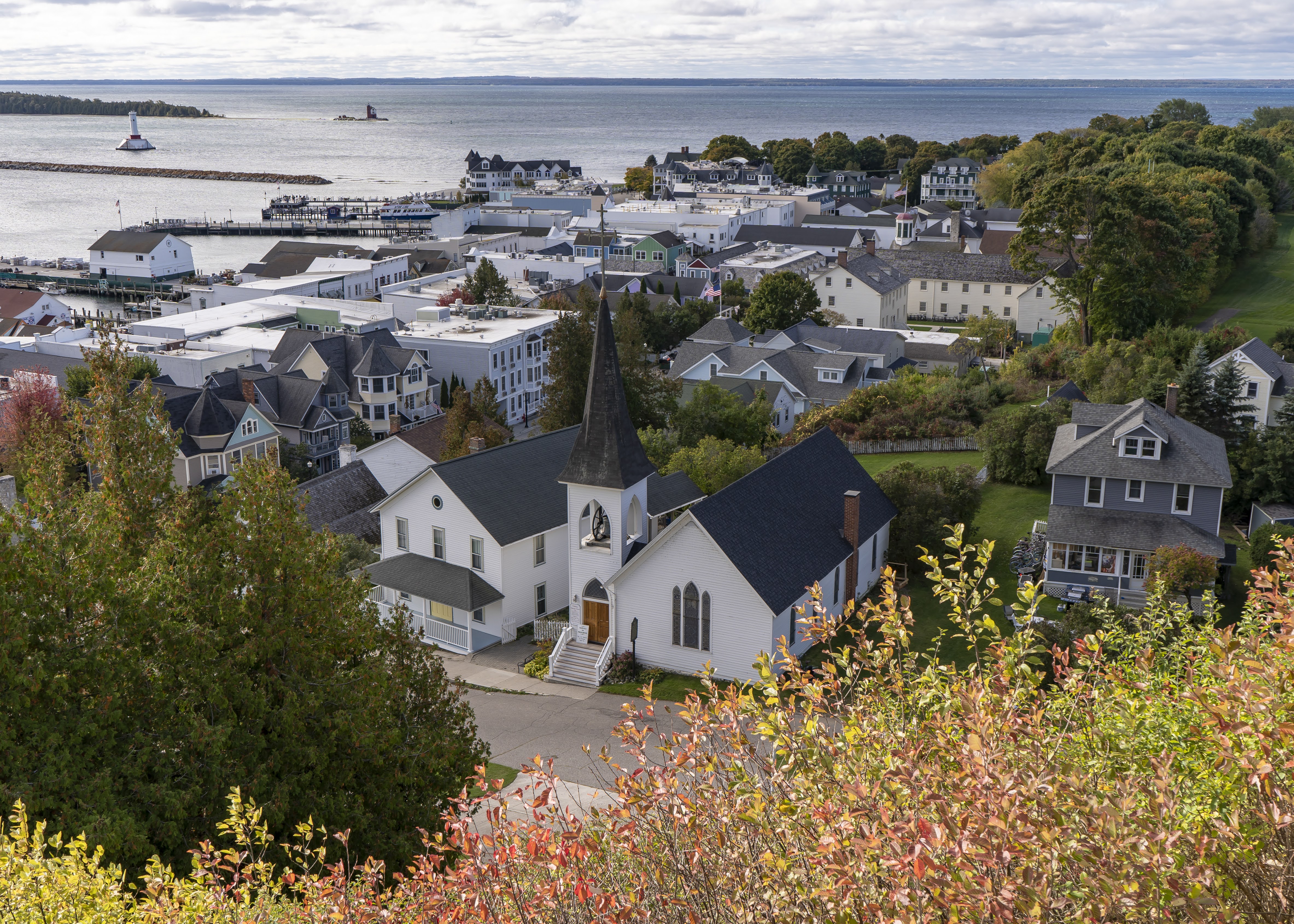
A Voyage Along the Great Lakes sails through all five great lakes on a nine-day itinerary from Milwaukee to Toronto, visiting staples of the region such as Niagara Falls and Mackinac Island, as well as a UNESCO Biosphere Reserve and the world’s largest freshwater island.
(Photo Credit: PONANT/Julien Fabro)
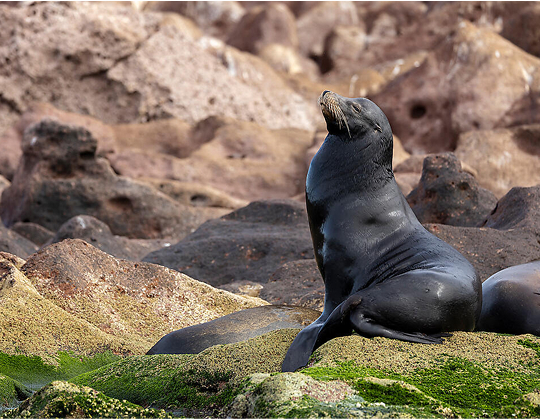
To make the journeys effortless, the company designed the Baja trips to start and end in Los Cabos, whose airport offers direct flights from across the United States. The ship heads north to meet the whales in Guerrero Negro, then rounds the peninsula to bring guests into the Sea of Cortez for the chance to swim with sea lions, hike the Sierra de la Giganta, and snorkel alongside devil rays in Cabo Pulmo National Park, one of North America’s oldest coral reefs.
“Most people know Cabo San Lucas, but travel three or four hours by small ship and you’re in a completely different world,” Chamberlain explains. “Even more familiar places like Cabo San Lucas will feel new to seasoned travelers, because of how we deliver the experience.”
By Nicola Chilton
Ponant Explorations and Smithsonian Journeys itineraries include Smithsonian Journeys Experts who enrich your cruise experience.
There’s nowhere quite like the Mediterranean. The dazzling whites and blues of the Greek islands are a balm for eyes exhausted by city life, while the hot-pink sunsets of the Côte d’Azur seem designed to pair with an Aperol Spritz. This is a land bathed in year-round sunshine, dotted with silvery olive trees, and fringed by waters that glisten with hues ranging from the palest of turquoises to deepest of inky blues. Empires have risen and fallen here, leaving behind thrilling tales and enduring traces of those who came before. From its terrain have sprung some of the world’s most delicious ingredients, and each summer glamorous restaurants, boutiques, and beach clubs attract visitors with their irresistible allure.
But the Mediterranean can also feel a little too familiar. We’ve all seen the beaches of Mykonos in our feeds, the pastel-colored houses of Cinque Terre cascading down into picture-perfect bays, the yachts, the gelato, and the striped parasols. For curious explorers, it can all seem a bit “been there, done that.”
To experience the Mediterranean in a deeper way, it’s best to turn to the experts. But not just any experts—the foremost experts in the region’s cultural, historical, and artistic riches. Travelers on Ponant Explorations’ voyages, developed in collaboration with Smithsonian Journeys, do just that on trips that unlock the Mediterranean’s lesser-known stories.
This series of cruises takes travelers to some of the most beautiful locations in the Mediterranean accompanied by world-class experts in archaeology, art history, and the classics who reveal the wonders of the region in a new—and ancient—light. The itineraries draw on the Smithsonian Institution’s 179 years of research and knowledge, combined with Ponant Explorations’ 35-plus years of expertise in creating excellence and elegance at sea, offering an insider’s view into the destination. Each day, guests have the opportunity to engage more deeply with the places they’re visiting, experiencing the wonders of the Mediterranean on a different level while gaining new perspectives, expanding their knowledge, and exchanging ideas with Smithsonian Journeys Experts.
Ponant Explorations and Smithsonian Journeys voyages sail to 12 countries across the Mediterranean, from the Iberian Peninsula to the Turkish coast, visiting iconic landmarks as well as hidden gems that larger vessels cannot reach—like Symi in Greece’s Dodecanese Islands and Isola del Giglio in Italy’s Tuscan archipelago. Itineraries are thoughtfully designed to appeal to both seasoned travelers and novices, presenting familiar destinations in new and creative ways while offering culturally enriching activities imbued with an educational approach.
Through onboard lectures and discussions, two Smithsonian Journeys Experts on each sailing—who might include an archaeologist, historian, or anthropologist—spark meaningful dialogue and perspective during the voyage. Their extensive knowledge and insights enable guests to engage more deeply with the people they meet and places they visit, gaining a profound understanding of local cultures, customs, and ways of life. In select ports, Smithsonian Journeys discussions are complemented by local experts who come aboard to share stories of their heritage.
Harnessed with a deeper understanding of each destination, guests are encouraged to explore on land in their own way. From oenophiles and home chefs to adventurers and history buffs, curious travelers of all types will find included experiences that suit their passions and priorities. In Sicily, for example, guests can choose to visit the UNESCO World Heritage Sites of Agrigento and Syracuse or opt for wine-tasting on the slopes of Mount Etna, one of Italy’s most active volcanoes, with the possibility of witnessing one of its ash plumes. In Sardinia, adventure options include a hike around the Sella del Diavolo—the Devil’s Saddle—a two-mile trek above Cagliari that meanders through groves of juniper and palm and past olive trees and shrubs of fragrant mastic and euphorbia before rewarding walkers with glorious views of the Gulf of the Angels. In each port of call, travelers can choose his or her own pace, with both half-day and full-day options (where possible) that leave time for wandering solo or simply soaking up the ambience of the ship.
Ponant Explorations and Smithsonian Journeys voyages are crafted for intellectually curious travelers seeking experiences that provide an intimate understanding of the places they visit—adding context to their immersive adventures. They’re for travelers who like to explore the ancient past and then reflect on it all with a glass of local wine as the setting sun bathes the Mediterranean in the type of golden light that’s only found there. Through a unique combination of culture, luxury, leisure, and expertise, they leave guests feeling empowered with an experience that stays with them long after they leave the ship.
A shared commitment to discovery
Ponant Explorations’ alliance with Smithsonian Journeys builds on the Smithsonian Institution’s 179 years of knowledge, research, and education to create itineraries that engross travelers in the history, culture, cuisine, and natural wonders of each destination. Every voyage is accompanied by two Smithsonian Journeys Experts who are world-class leaders in their fields, and two Ponant Travel Directors who ensure smooth sailing throughout the trip. The 2026 season also features voyages outside the Mediterranean, to Costa Rica and Panama, the Caribbean’s Windward Islands, Antarctica, and more. Each port of call features a planned excursion or activity, with a selection of options available at certain destinations.
The itineraries draw on the Smithsonian Institution’s 179 years of research and knowledge, combined with Ponant Explorations’ 35-plus years of expertise in creating excellence and elegance at sea, offering an insider’s view into the destination.
A Shared Commitment to DiscoverY
Ponant Explorations’ alliance with Smithsonian Journeys builds on the Smithsonian Institution’s 179 years of knowledge, research, and education to create itineraries that engross travelers in the history, culture, cuisine, and natural wonders of each destination.
A Shared Commitment to Discovery
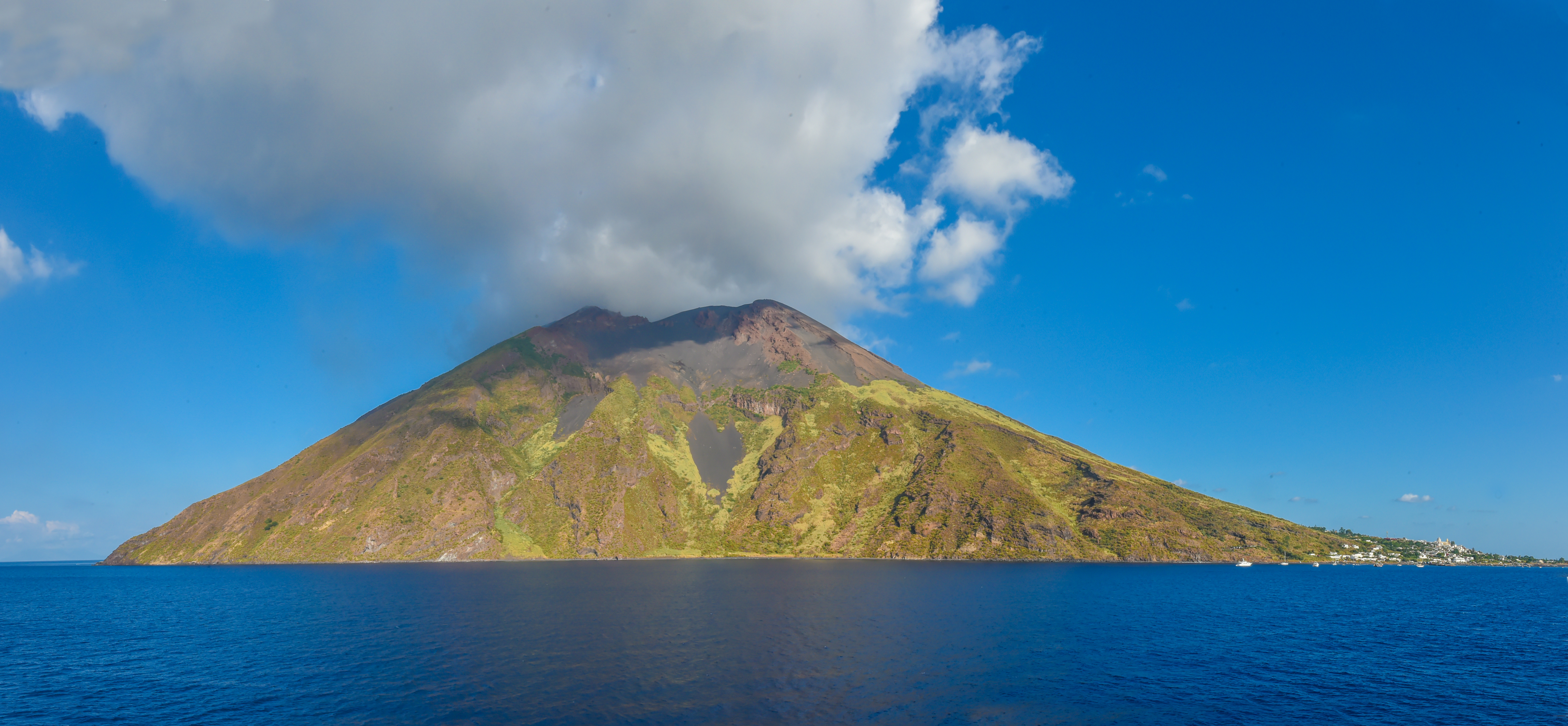
Stromboli, a volcanic island off northern Sicily. (Photo Credit: PONANT / Laurence Fischer)
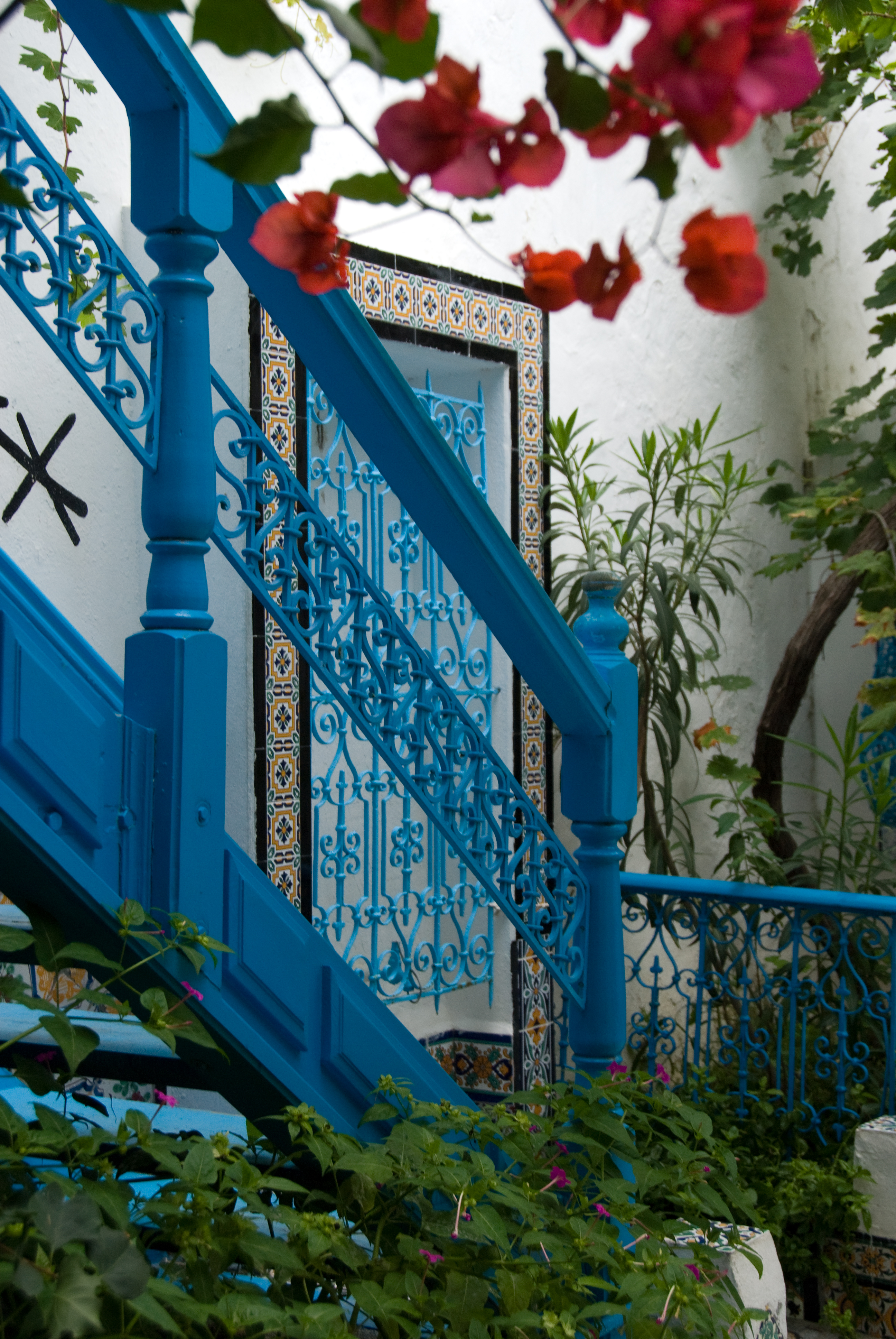
The town of Sidi Bou Said in northern Tunisia. (Photo Credit: PONANT / François Lefebvre)
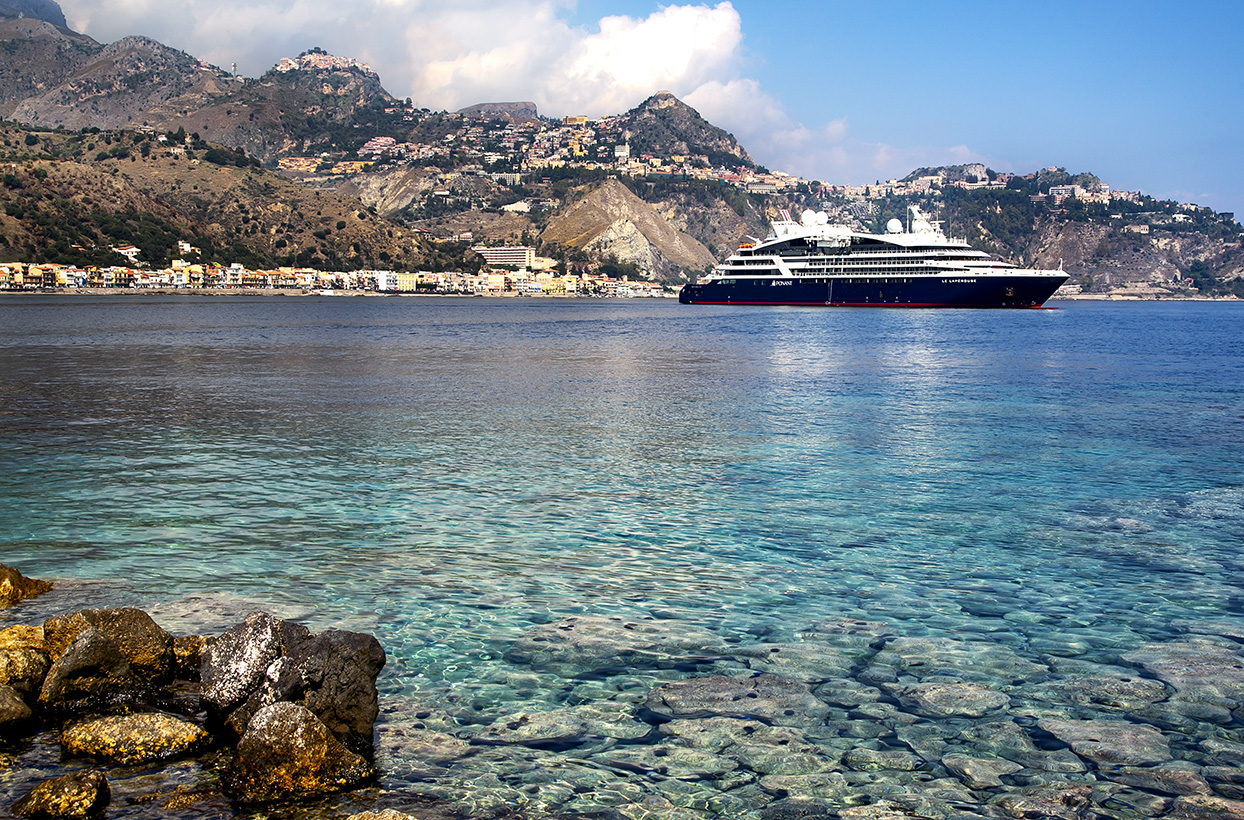
Le Lapérouse in Taormina, on the east coast of Sicily. (Photo Credit: PONANT / Laure Patricot)
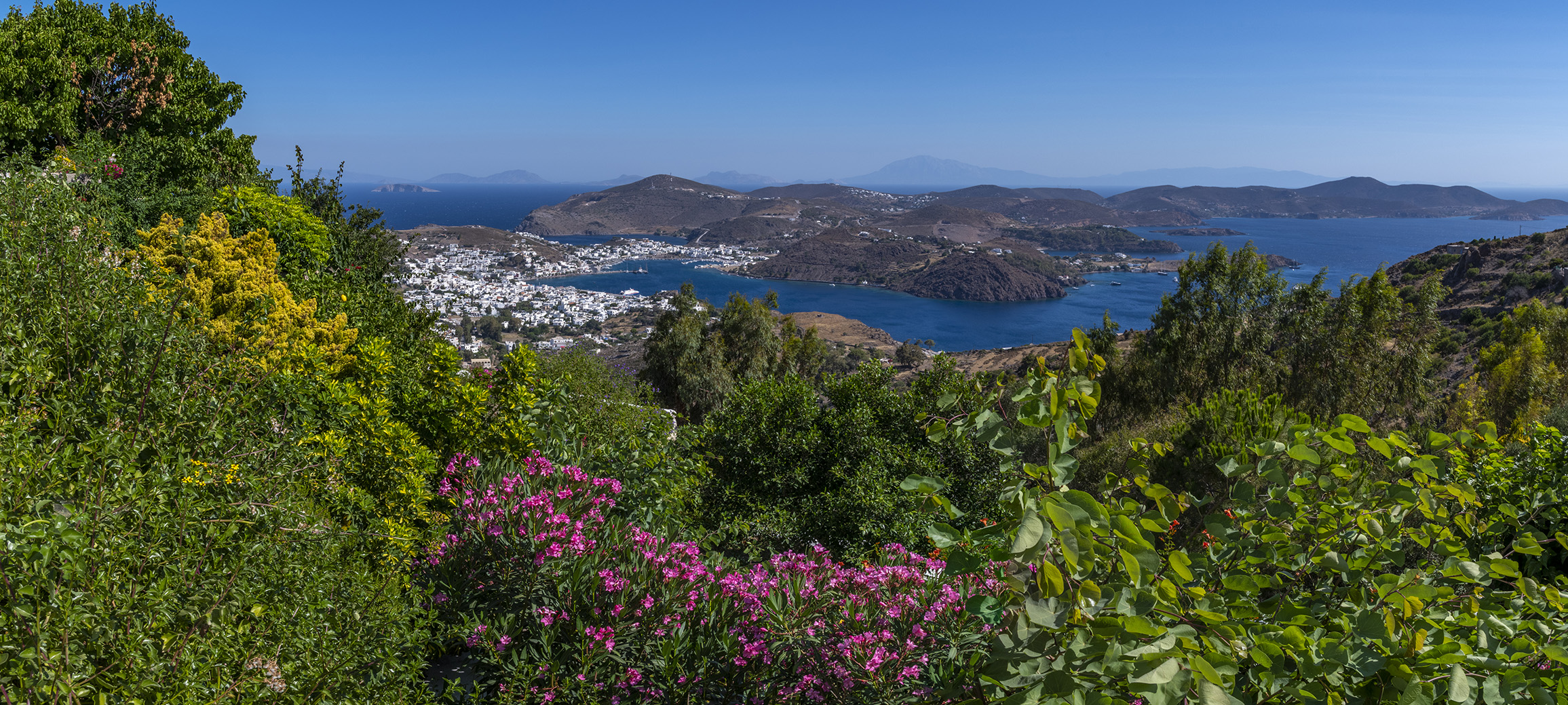
The Greek island of Patmos in the Aegean Sea. (Photo Credit: PONANT / Alexander Herbrecht)
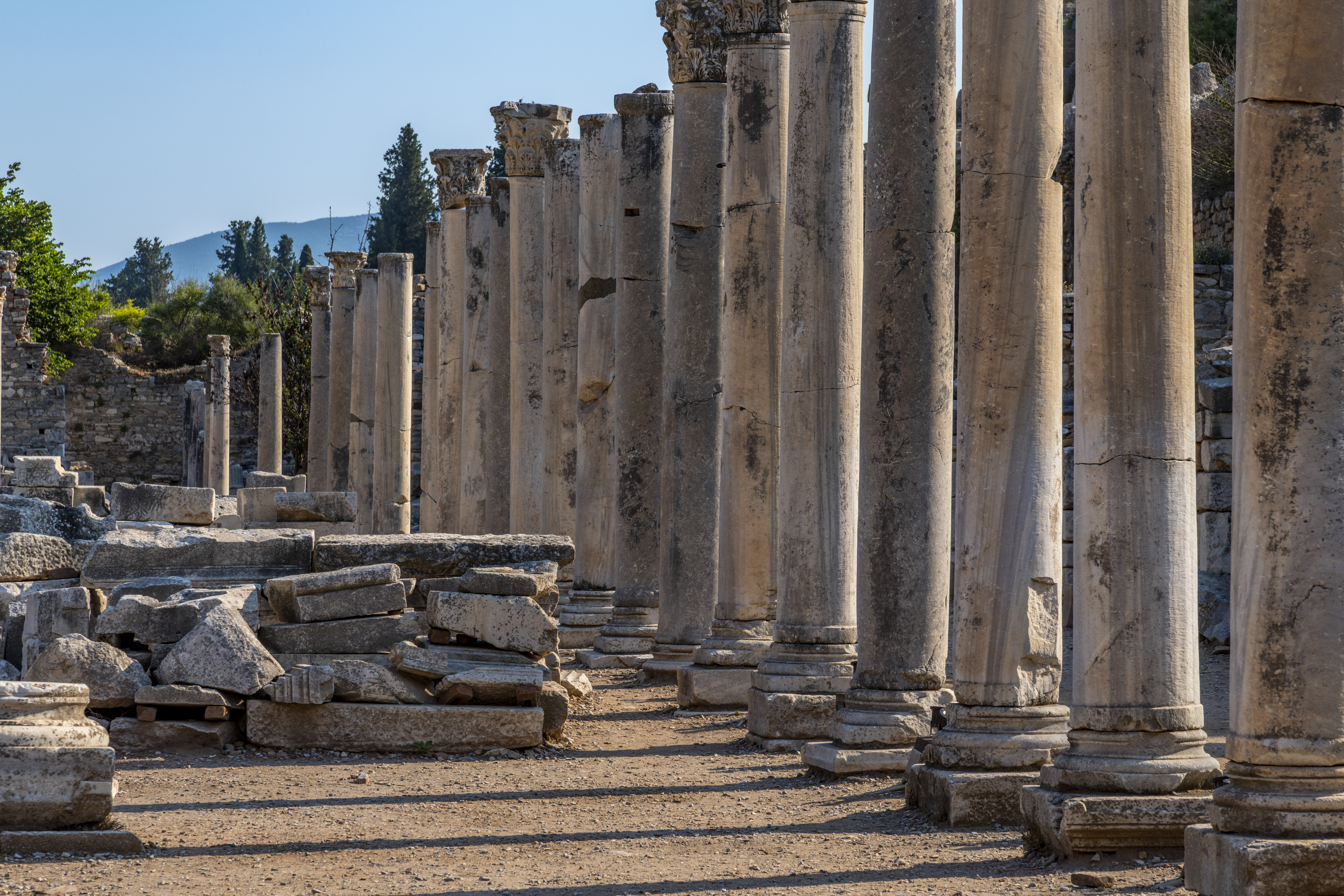
Ephesus, an ancient Greek city in present-day Turkey. (Photo Credit: PONANT / Laurence Fischer)
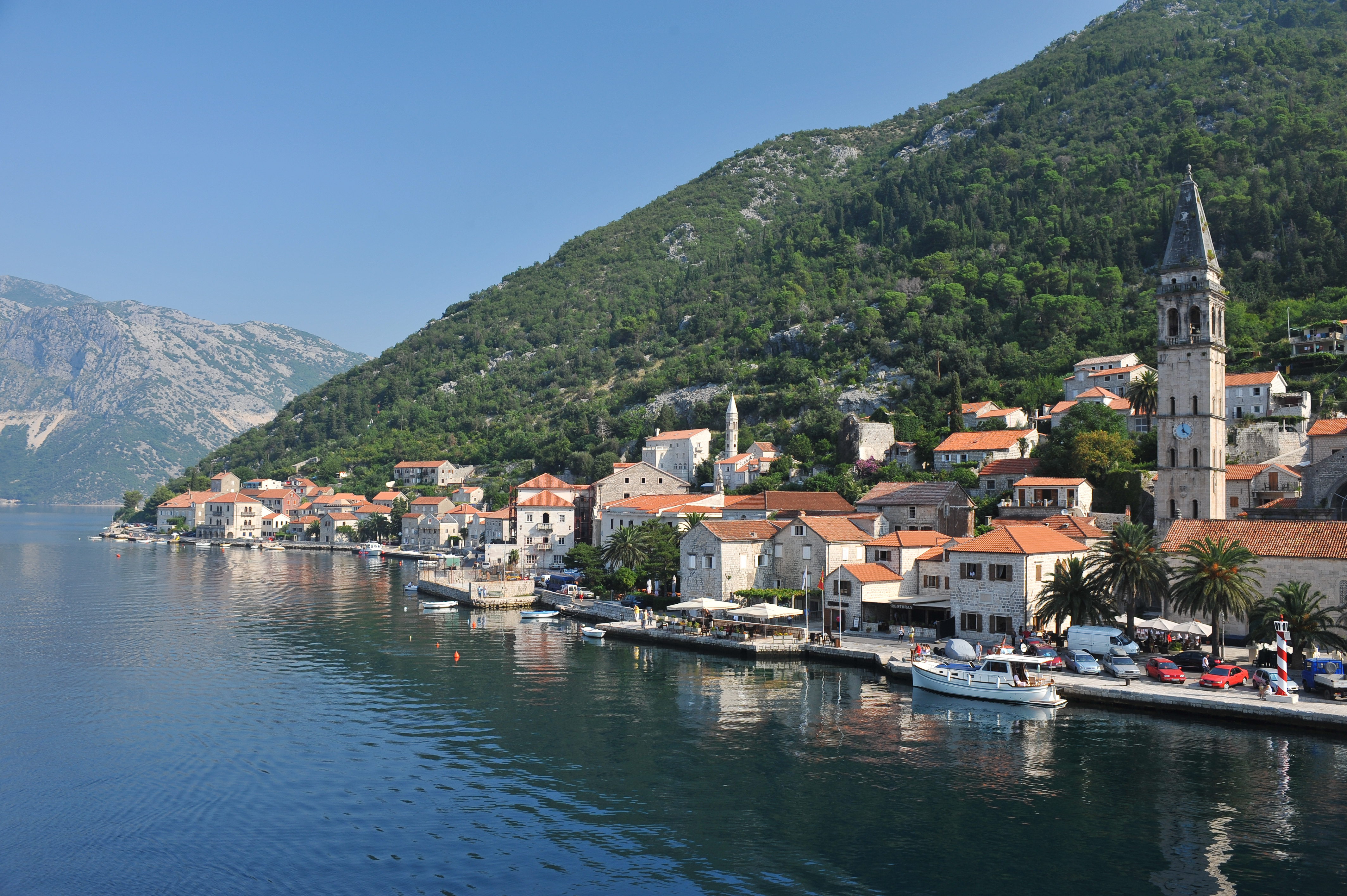
Water views from Kotor in Montenegro. (Photo Credit: PONANT / François Lefebvre)
November 15, 2025
A Weddell Sea expedition aboard Le Commandant Charcot showcases the beauty and harmony of Antarctica’s unique landscapes and wildlife.
Directly south of Brazil, along the east coast of Antarctica, the Weddell Sea is mostly covered by layers of thickly packed ice. The conditions make the wildlife-rich region—home to emperor penguins, humpback whales, orcas, and Weddell seals—prohibitively difficult to explore. In fact, there is only one way to experience the best parts of the Weddell Sea in a seamless, luxurious, and environmentally friendly way: on a Ponant Explorations journey aboard Le Commandant Charcot.
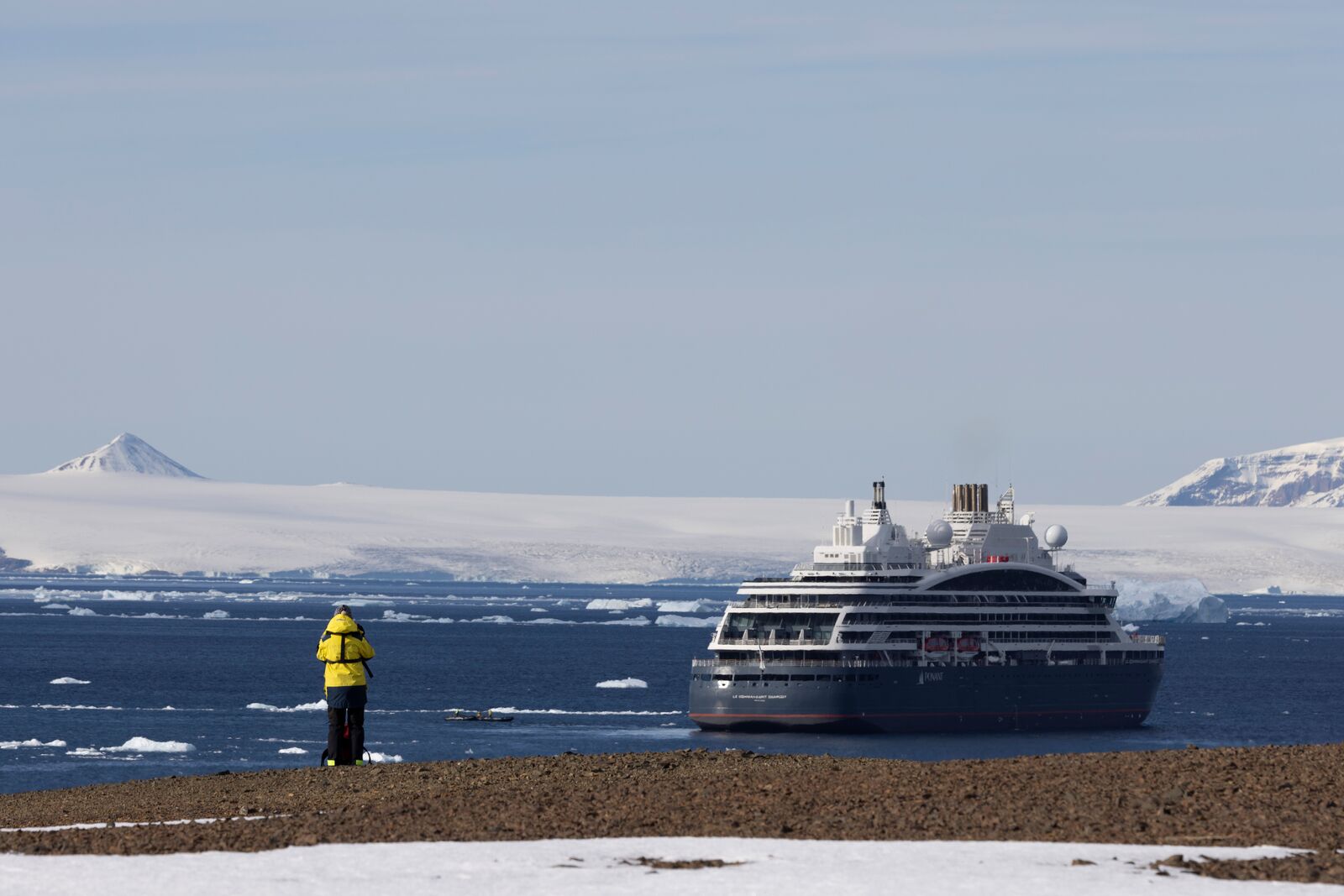
Launched in 2021, Le Commandant Charcot is the first hybrid electric polar exploration ship powered by liquefied natural gas and the only with a Polar Class 2 rating. The innovative propulsion system, paired with its unparalleled icebreaking capabilities, enables the ship to safely access the remote and frozen Weddell Sea while greatly minimizing impact on this pristine environment and the wildlife it contains.
“The Larsen Ice Shelf [in the Weddell Sea] is one of the largest in the world, and a completely unique destination,” says Ponant Explorations’ global photo ambassador Cindy Miller Hopkins, who has been leading photo safaris on Le Commandant Charcot since the ship’s launch. “Very few ships can reach the region. Most go to the western side of the Antarctic peninsula, but the eastern side and western side are like two different planets. You might see 100 ships on the western side, but only three or four on the eastern side. It can’t be accessed by just anyone, so it feels like a completely remote, private destination.”
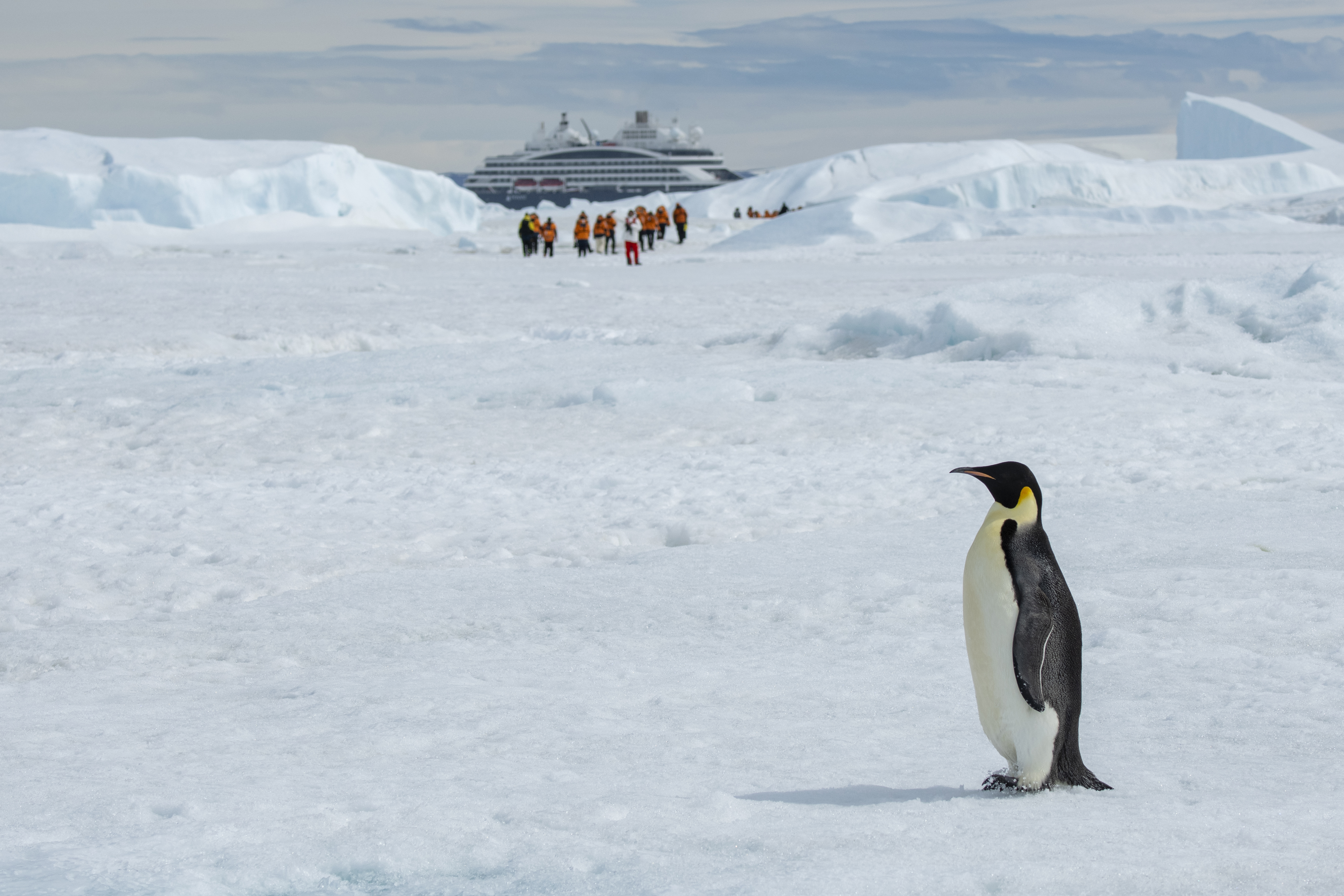
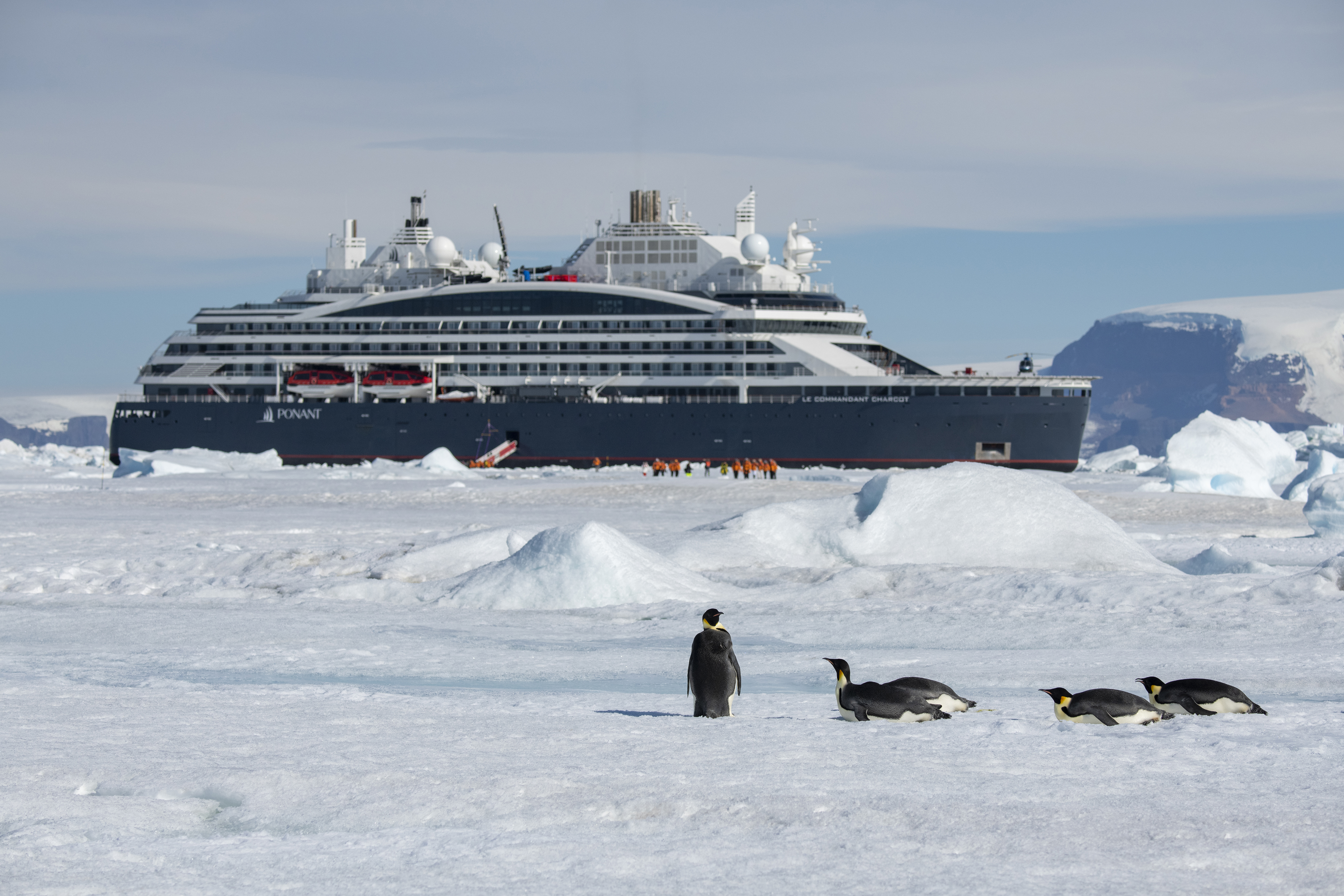
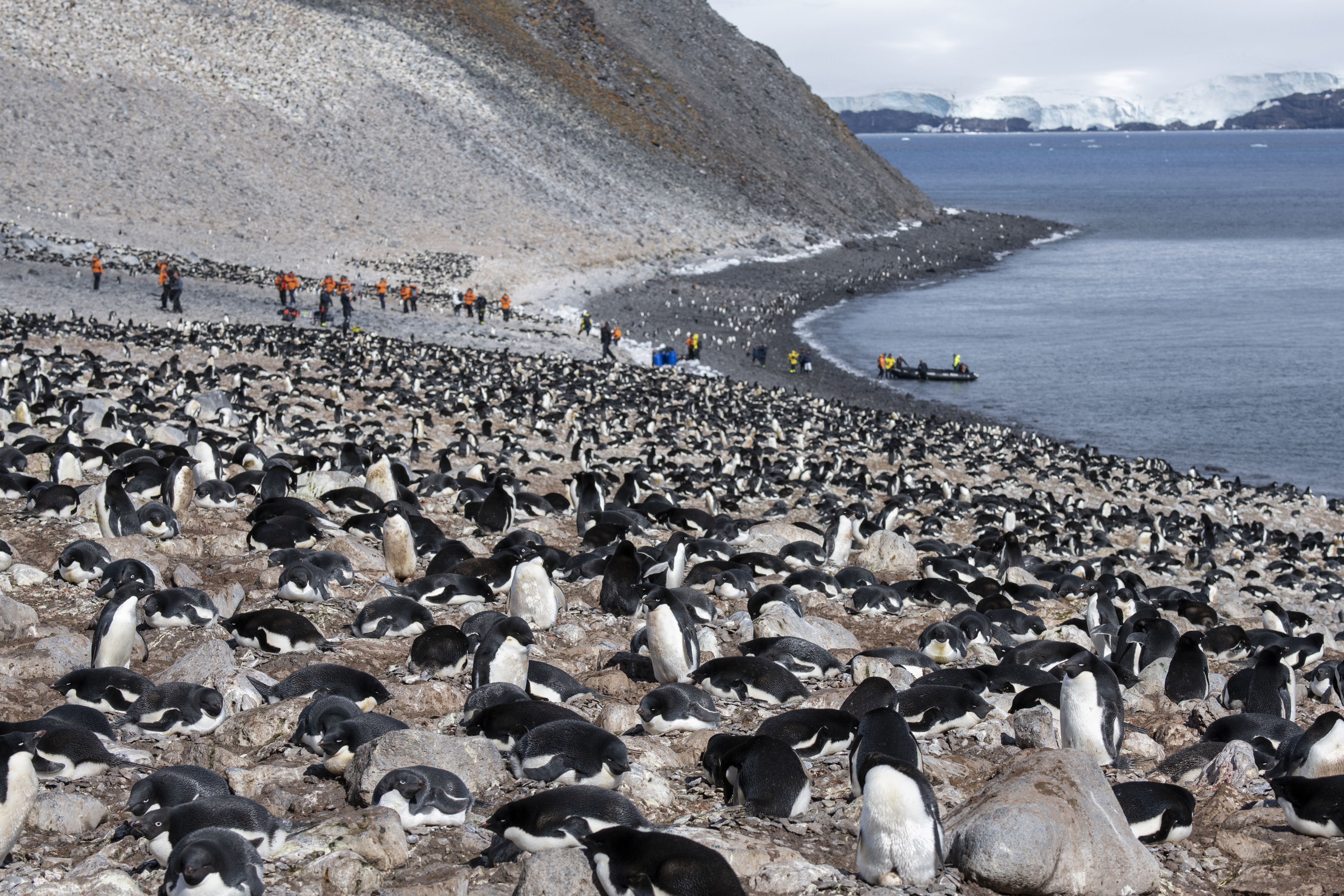
Miller Hopkins explains that the ideal time to visit is November and December, when the chicks have hatched in the colony. Ponant Explorations is the only outfitter that has access to the island where they hatch without using a helicopter. Rather, the ship “parks” in the middle of an ice field—using its dynamic positioning system to stay in place without the need for an anchor—which not only creates a more intimate encounter for passengers but is also nicer for the planet and less intrusive on the penguins.
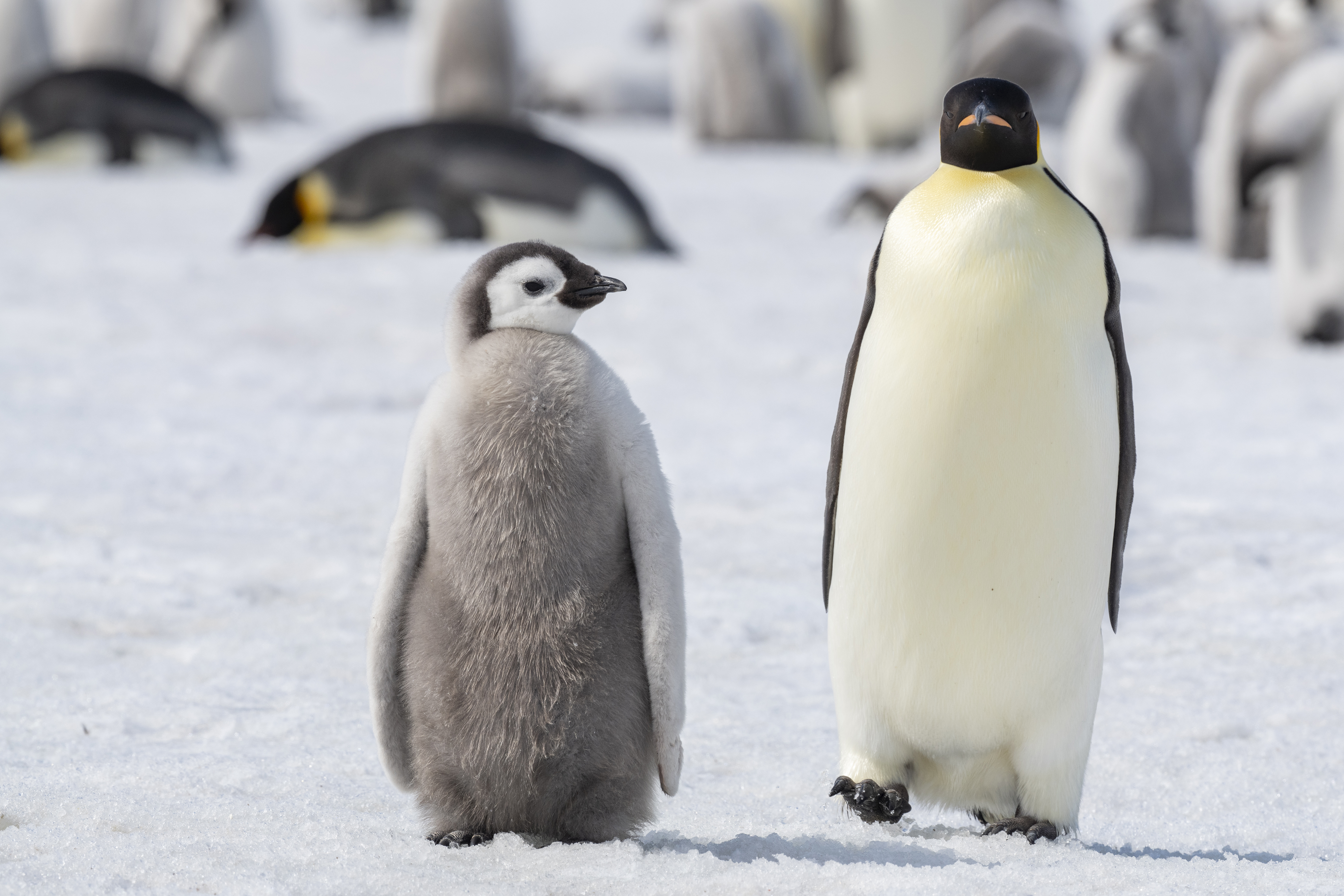
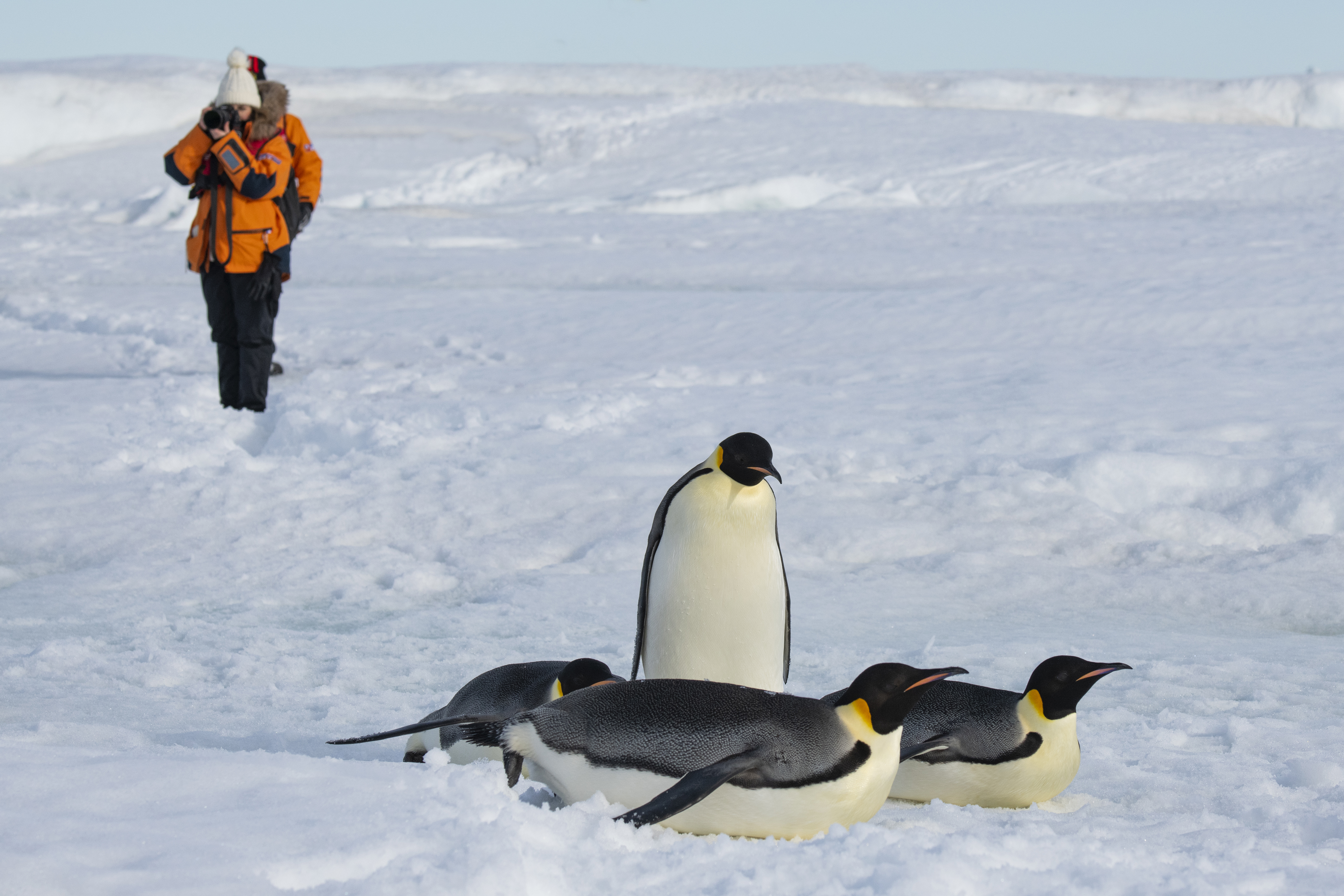
“You cannot operate a mechanical or gas-operated vehicle within three kilometers of the penguins,” says Miller Hopkins. “You have to hike in, and during that time, you’re already passing hundreds to thousands of adult penguins who are journeying to the ice edge to get food to feed their chicks. When you get to the colony, you can be about 15 feet away from them. They’re so curious and will come up to check you out—they’re so cute, they look like little Beanie Babies.”
Because of Le Commandant Charcot’s intimate size, the total number of passengers is never more than 245 people. Visits to the colony are staggered so that about 20 people go at a time, each for about an hour, which keeps the noise and impact on the penguins to a minimum. The ship aims to stay for two to three days, often allowing passengers to have the opportunity to visit more than once.
Because Le Commandant Charcot can operate without a motor, the ship can be completely silent, which has benefits beyond just attracting wildlife.
“I recently had an incredible opportunity to explore a part of the Antarctic Peninsula I hadn’t been to before aboard Le Commandant Charcot,” says Dr. Ulyana Horodyskyj Peña, a renowned glaciologist, member of The Explorers Club, and science grantee through Ponant Explorations’ partnership with the multidisciplinary society dedicated to field exploration and conservation. “I was conducting research on light-absorbing particles, or LAPs—things like black carbon or soot that travel through the atmosphere and settle on polar ice. They’re tiny and invisible to the naked eye, but they can have a massive impact by darkening the surface and accelerating melting. One particularly powerful moment was when I had my air sensor out and everything looked stable. Then a military ship passed by, and there was this immediate spike in particulate levels. It’s a stark reminder of how human activity reaches even these remote regions. It also underscored how different things are with Ponant. Le Commandant Charcot runs on a hybrid engine system and has dramatically reduced emissions. That difference matters to the environment, but it also minimizes intrusive readings from our own ship.”
Way to the Weddell Sea
Ponant Explorations’ voyages to Antarctica include a 14-day Emperor Penguins of Weddell Sea journey and other expeditions aboard Le Commandant Charcot. The world's only luxury icebreaker and passenger ship with a PC-2 rating, Le Commandant Charcot is able to navigate the most remote environments including those with multi-year ice—opening new frontiers of exploration. Le Commandant Charcot also sets a precedent for sustainable polar exploration, with its hybrid electric propulsion system powered by liquefied natural gas (LNG) and other technologies that minimize emissions, noise, and vibrations, helping to preserve the environment and reduce pressure on wildlife.
The main draw that the region is known for is its emperor penguins, and the closest way to get to an emperor colony is with Ponant. There are other trips that touch on it, but nothing comes close to this.”
Ponant Explorations’ voyages to Antarctica include a 14-day Emperor Penguins of Weddell Sea journey and other expeditions aboard Le Commandant Charcot. The world's only luxury icebreaker and passenger ship with a PC-2 rating, Le Commandant Charcot is able to navigate the most remote environments including those with multi-year ice—opening new frontiers of exploration.
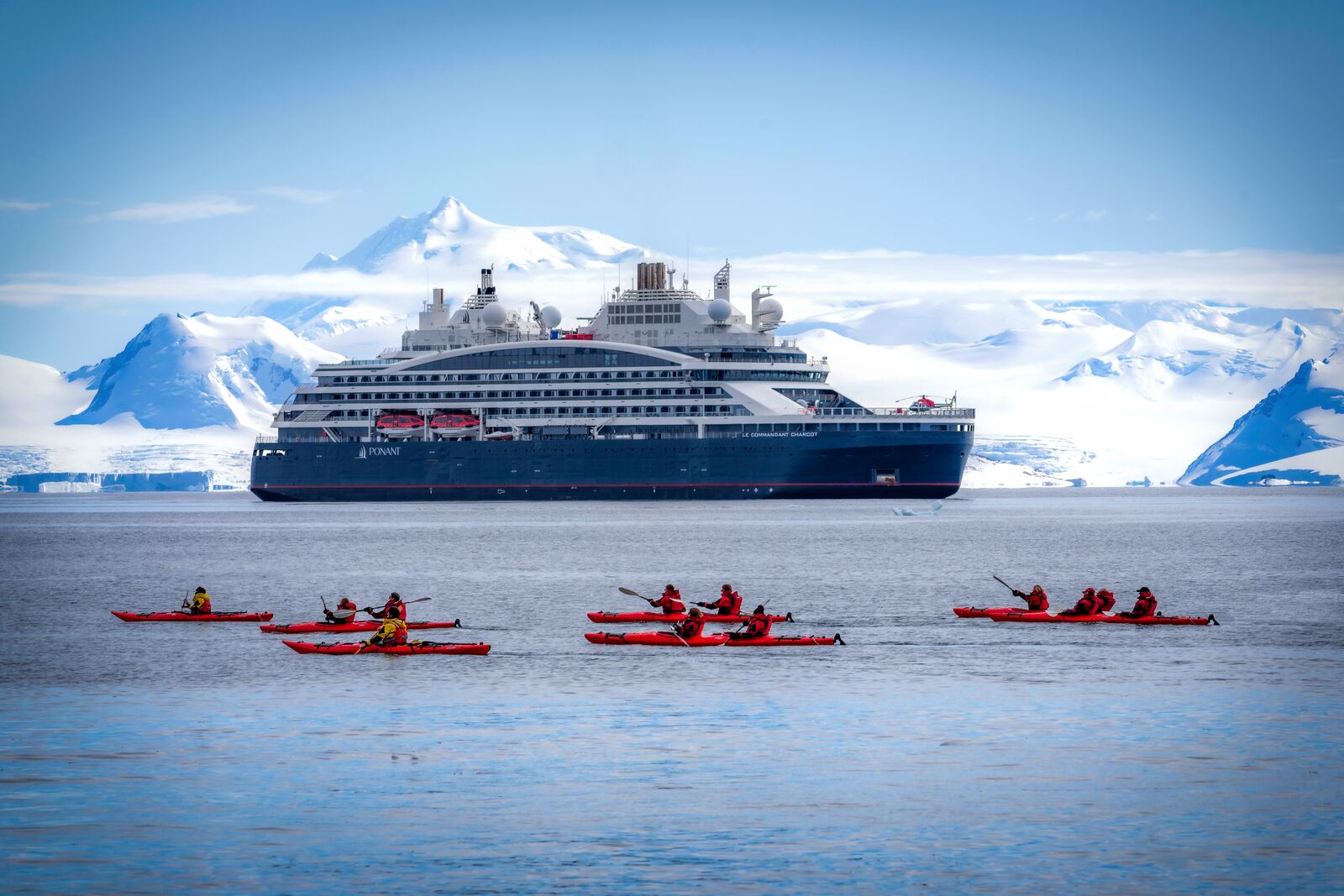
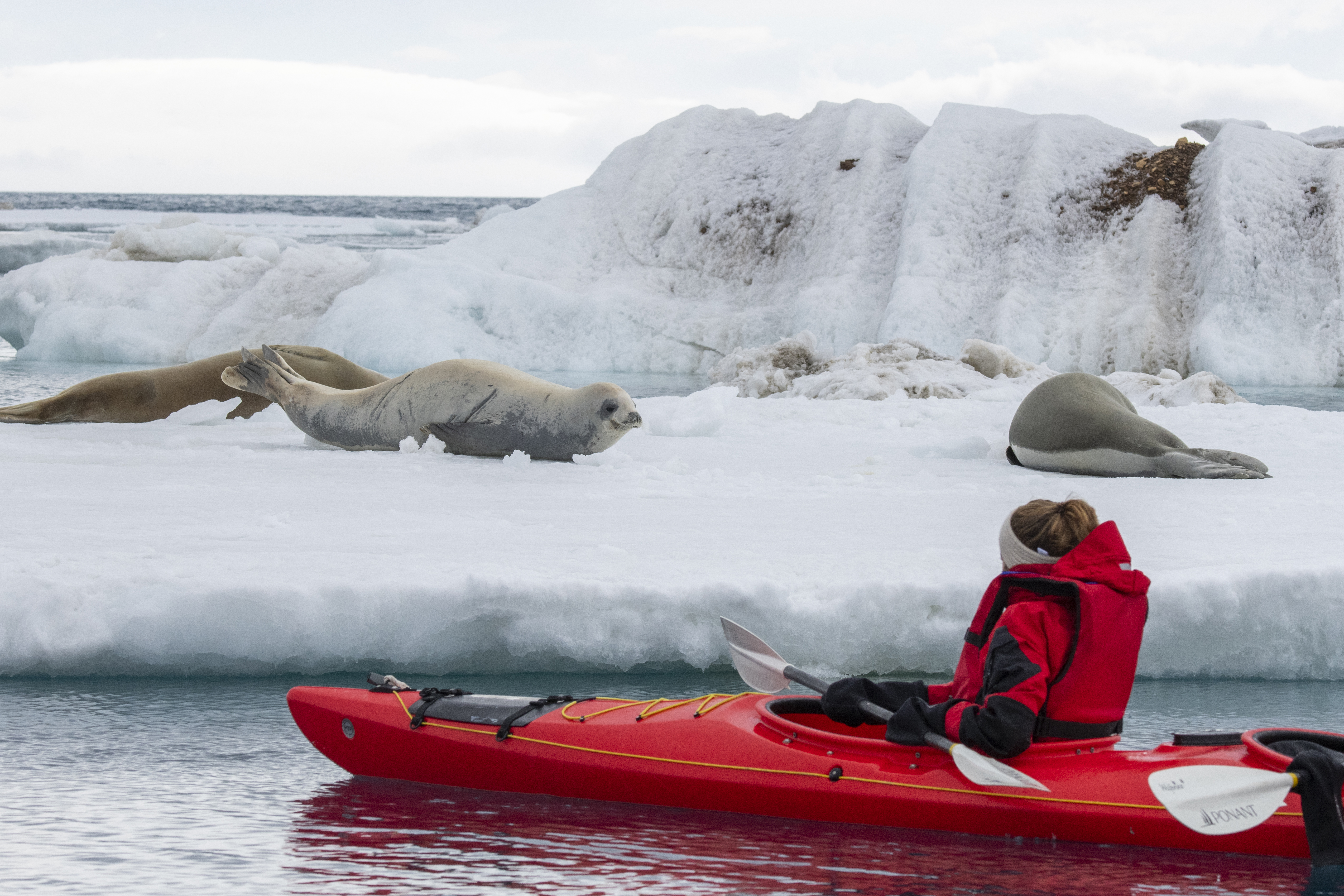
Kayaking lets you get up close and personal with wildlife. (Photo Credit: PONANT / Cindy Miller Hopkins)
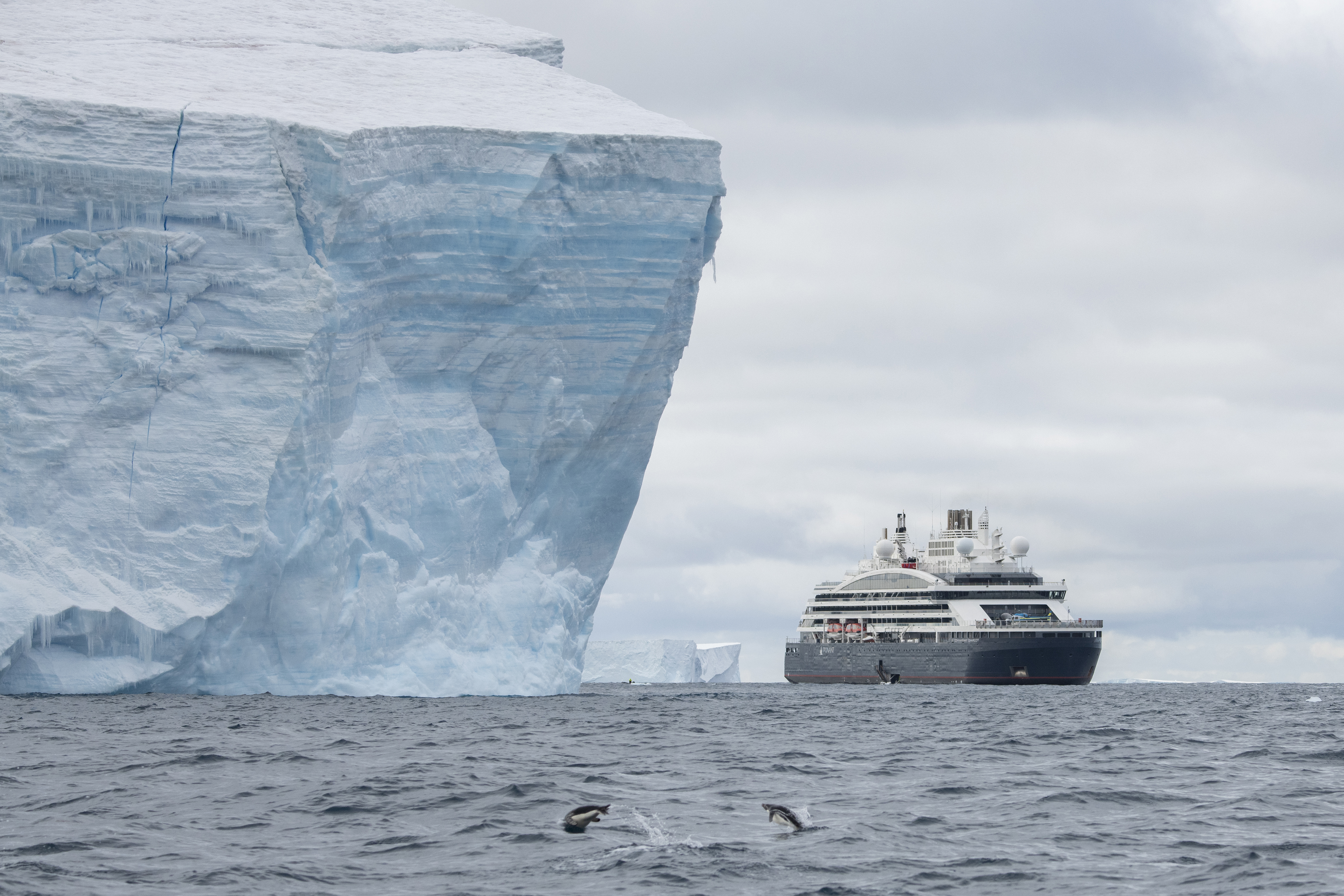
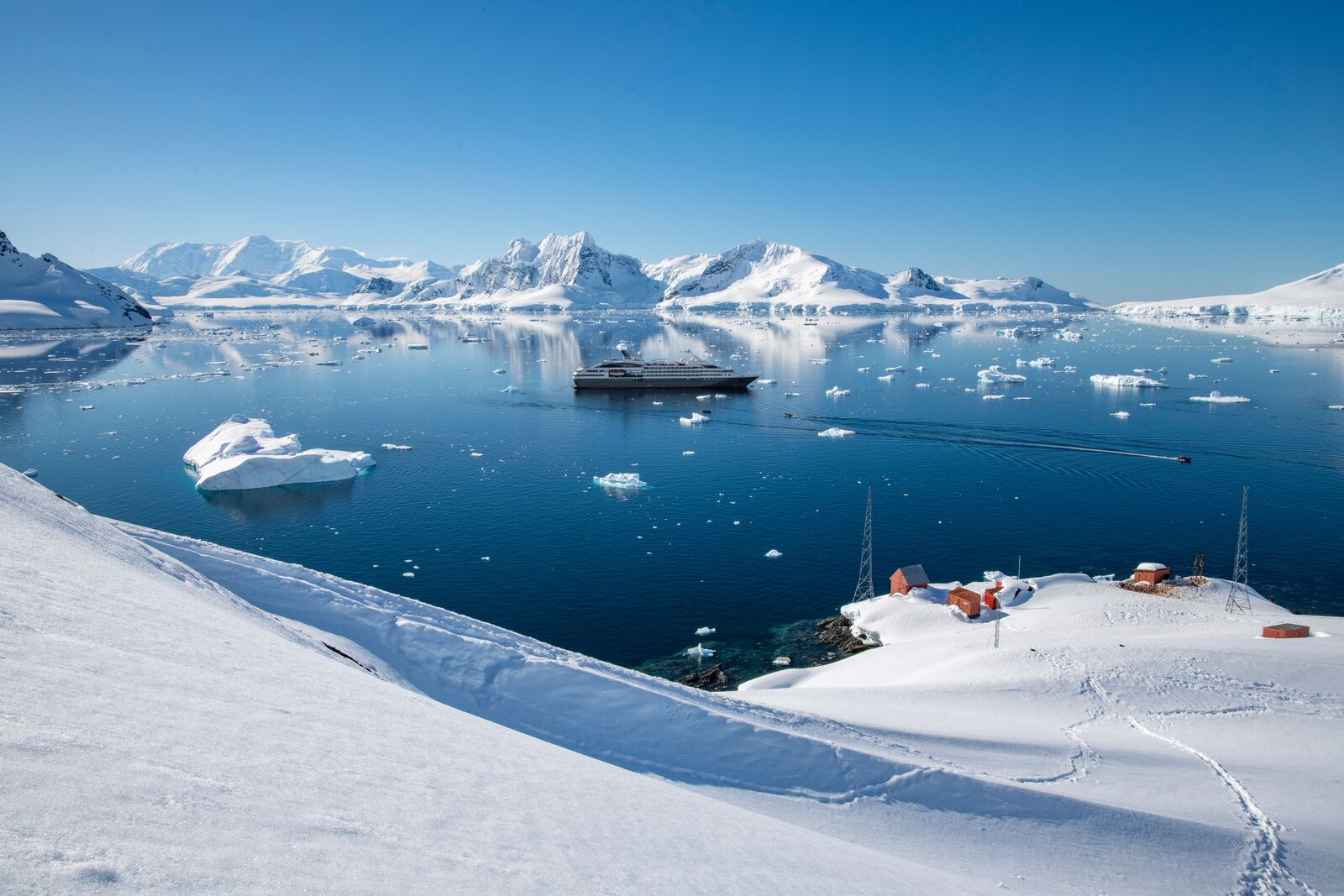
Le Commandant Charcot is a luxury icebreaker cruise ship designed for polar exploration. (Photo Credit: PONANT / Cindy Miller Hopkins)
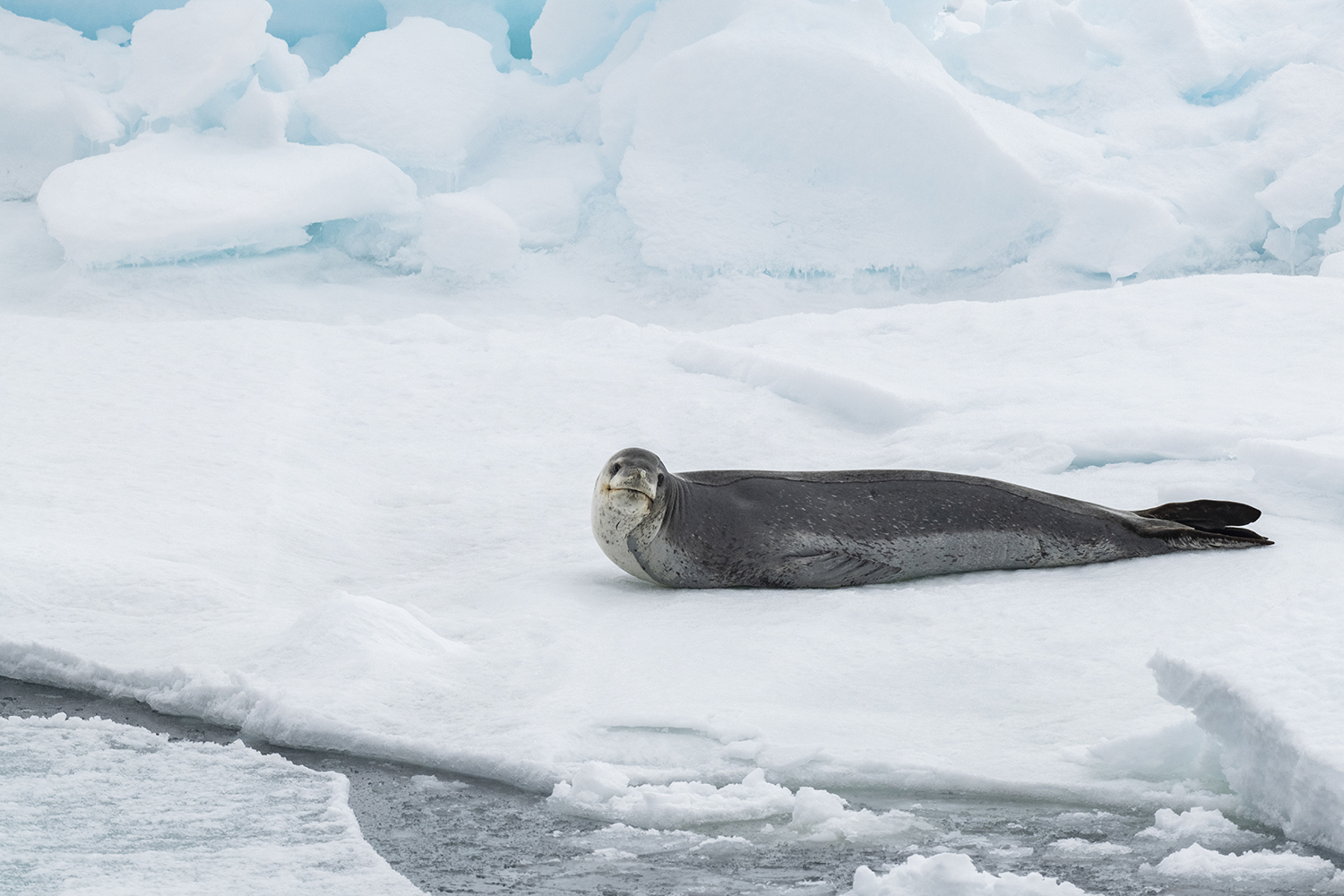
Weddell Seals live in the Antarctic region. (Photo Credit: PONANT)
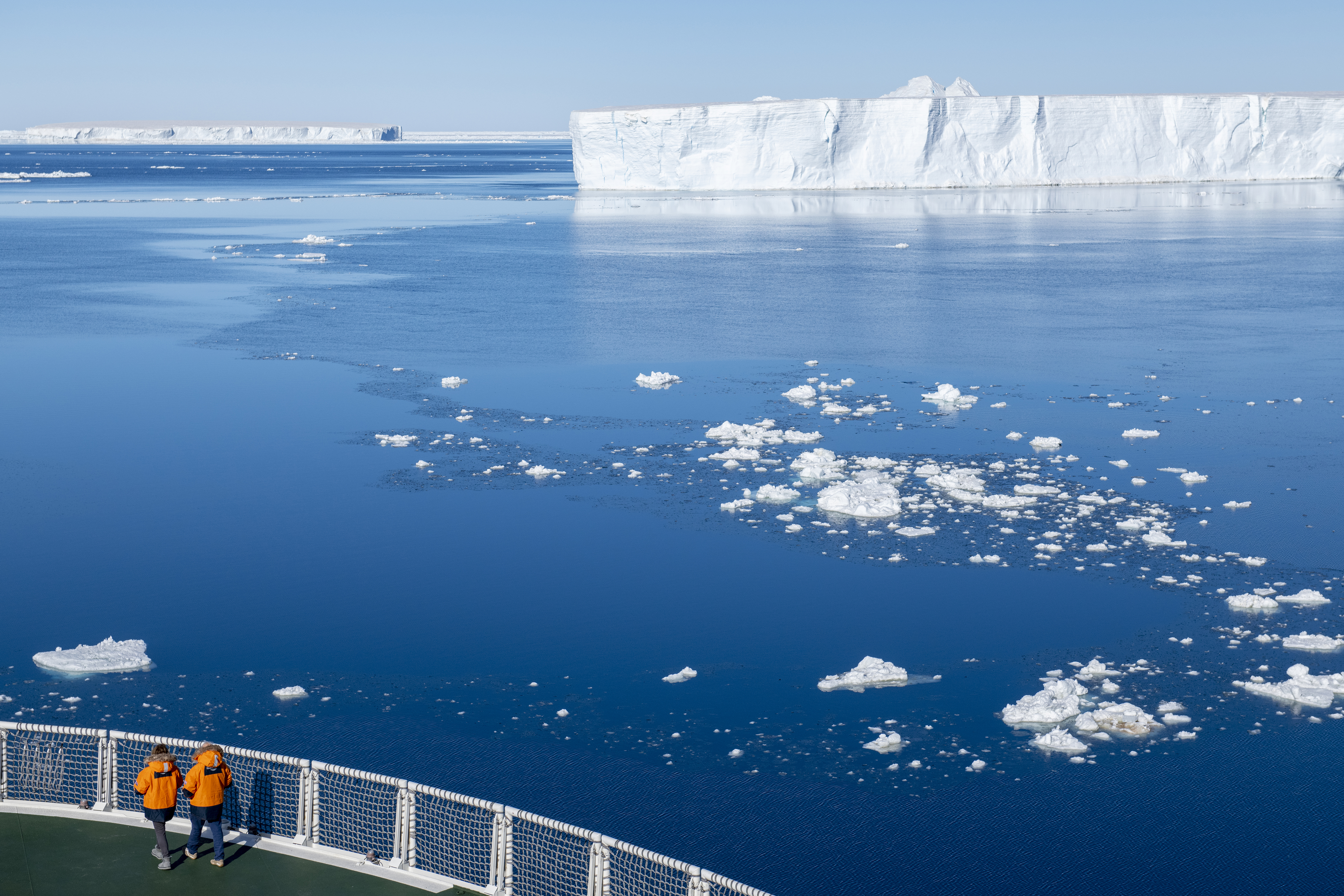
Ice shelves fringe the Weddell sea. (Photo Credit: PONANT / Cindy Miller Hopkins)
Ice covers much of the Weddell Sea. (Photo Credit: PONANT / Cindy Miller Hopkins)
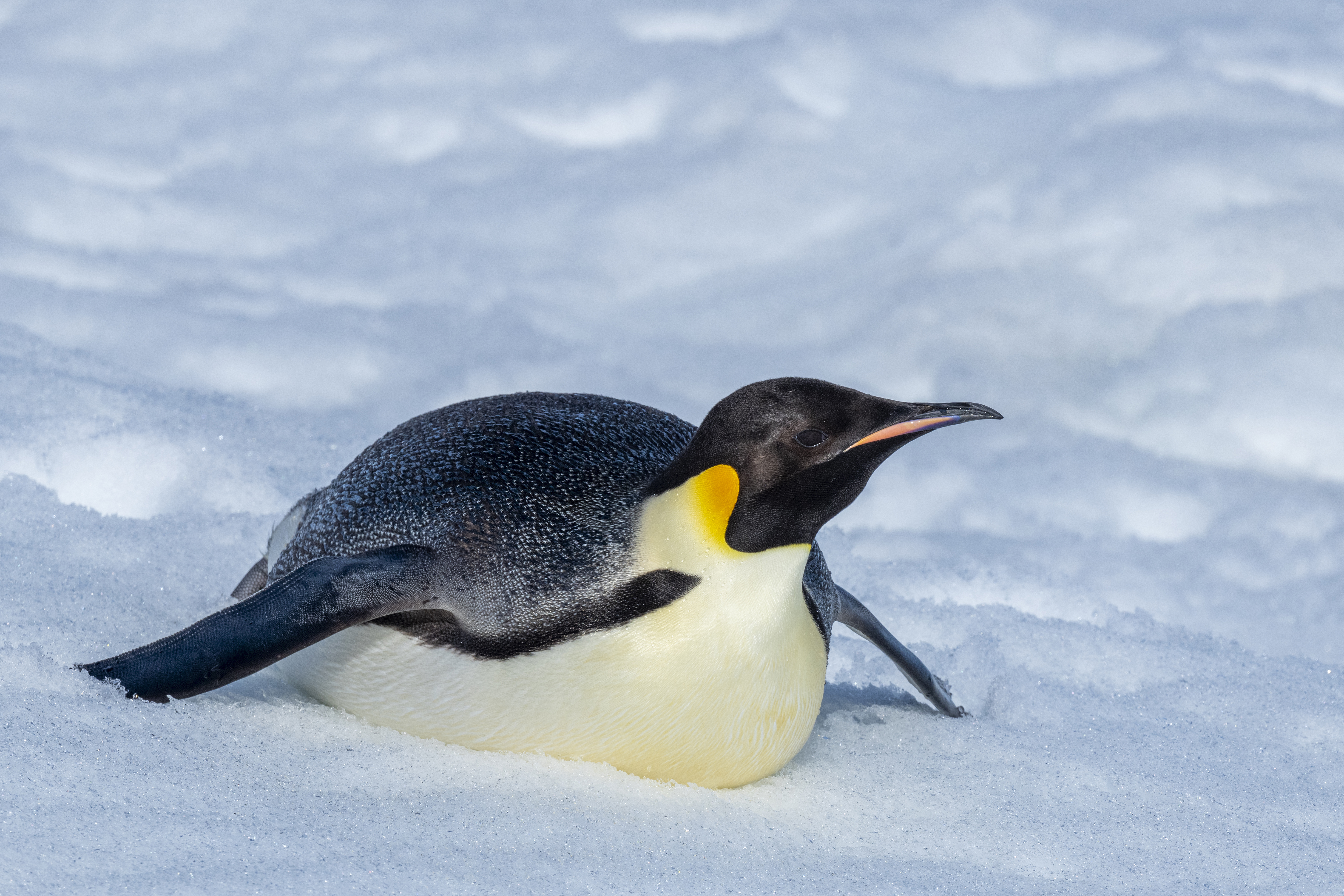
Emperor penguins make their homes on the Weddell Sea ice. (Photo Credit: PONANT / Cindy Miller Hopkins)
Miller Hopkins also approaches Ponant Explorations’ polar journeys from an expert’s perspective—and with an eye for beauty and adventure. “I’m a polar specialist, and I just love ice. Just experiencing these multistory-high icebergs and getting close to them is a unique experience,” she says. “It’s so quiet, and what you hear on the sea is so much different than what you hear when you’re someplace else remote, like a safari. Hopping into a Zodiac and bumping around in the water, hearing the ice crack like Rice Krispies—there’s no place else like it.”
While some might expect the Weddell Sea region to be unbearably cold, Ponant Explorations’ excursions to the Antarctic occur in the Southern Hemisphere’s warmer months, when temperatures can hover around 35 degrees. This allows for ample outdoor exploration—always with the knowledge that the ship’s luxurious spa, fine-dining restaurant, and plush lounge areas are waiting back onboard.
Still, even with all of Le Commandant Charcot’s amenities and attractions, the destination remains the star of the experience. “The polar regions are poetry,” says Horodyskyj Peña. “There’s this ethereal light that you just can’t describe until you see it. I like to go out on deck, put in my earbuds, and listen to classical music while watching the sea and ice stretch out in every direction. In those moments, I think about what the world looked like before we arrived—and what we still have the chance to preserve.”
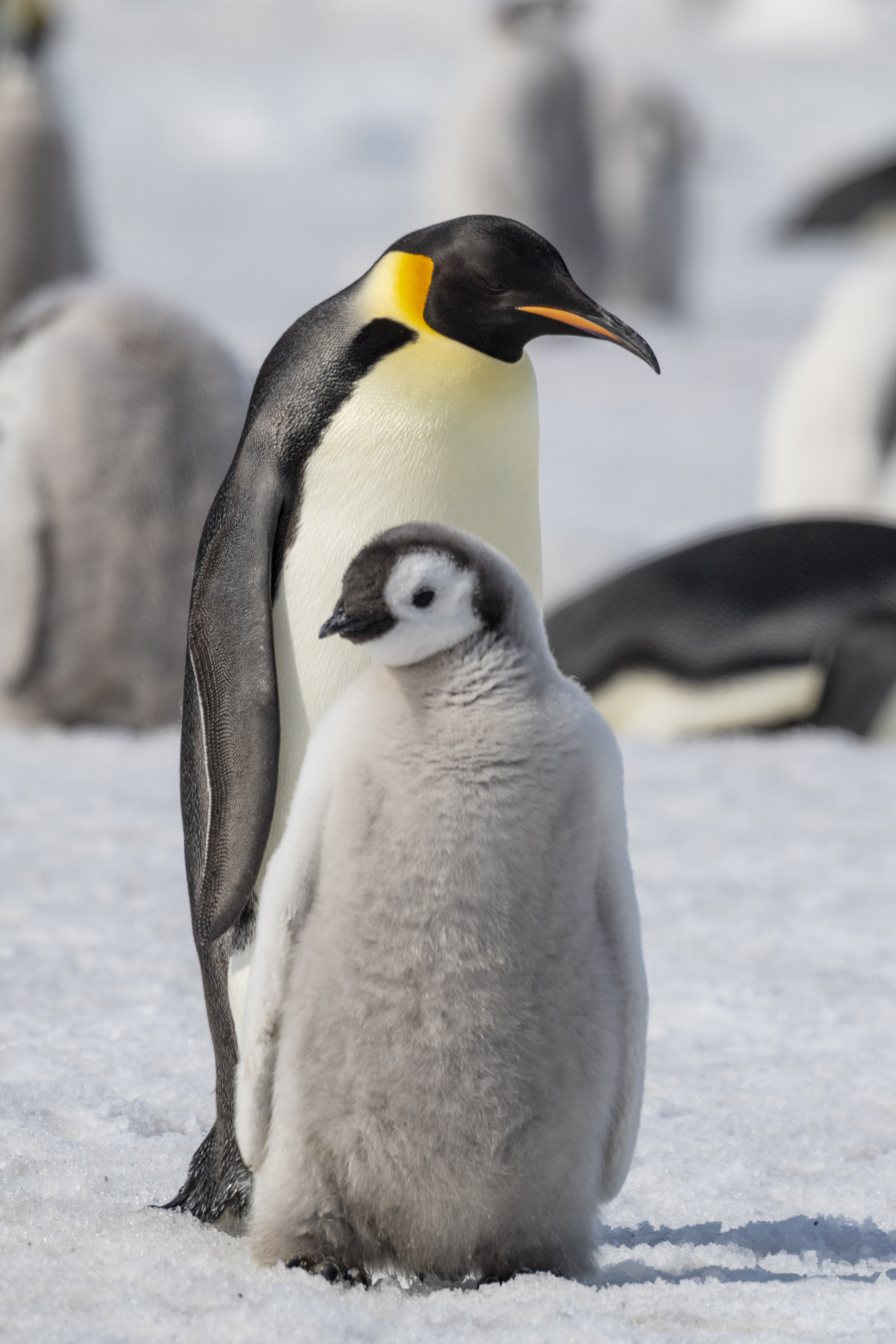
Emperor penguin chicks are raised on the sea ice.(Photo Credit: PONANT / Cindy Miller Hopkins)
Visitors can get within 15 feet of the emperor penguins. (Credit: PONANT / Cindy Miller Hopkins)
The shore of the Weddell Sea is a breeding ground for emperor penguins. (Photo Credit: PONANT / Cindy Miller Hopkins)
It is here that Miller Hopkins says she has had some of the most incredible wildlife encounters of her career, which has taken her to more than 160 countries and has her traveling more than 200 days a year. “The main draw that the region is known for is its emperor penguins, and the closest way to get to an emperor colony is with Ponant. There are other trips that touch on it, but nothing comes close to this,” she says.
A5-PP
——Cindy Miller Hopkins, Ponant Explorations’ global photo ambassador
November 26, 2025
Travel is transformative—it moves us, teaches us, and empowers us with knowledge to help support the greater good of our planet and everyone who calls it home. This is part of Ponant Explorations’ ethos, and one that continues to evolve with its commitment to science.
Every year, guests have the opportunity to witness cutting-edge research being conducted first-hand on scientific expeditions. This is made possible through the Ponant Science program, which hosts researchers from an evolving list of partners including The Explorers Club, Woods Hole Oceanographic Institution, CNR (National Research Council of Italy), and Institute of Biodiversity of Antarctic and Subantarctic Ecosystems (IBASE). It’s on these voyages that small-ship luxury and profound scientific discovery definitively collide.
Clampitt oversees everything from creating research partnerships to selecting and managing ongoing research projects across the fleet, supporting onboard science coordinators, communicating scientific findings, and ensuring the ships’ captains and scientists have everything they need for their research. On board, each research team is supported by a dedicated science coordinator, who serves as their main point of contact throughout the voyage. The coordinator helps facilitate access to science-specific sites via a zodiac; assists with the use of onboard equipment, such as the rosette; and works closely with the research team to organize presentations or outreach activities such as lab tours for the passengers. The Ponant Science team strives to create opportunities for guests to interact with the scientists, see the research first-hand, and gain a deeper understanding of its significance.
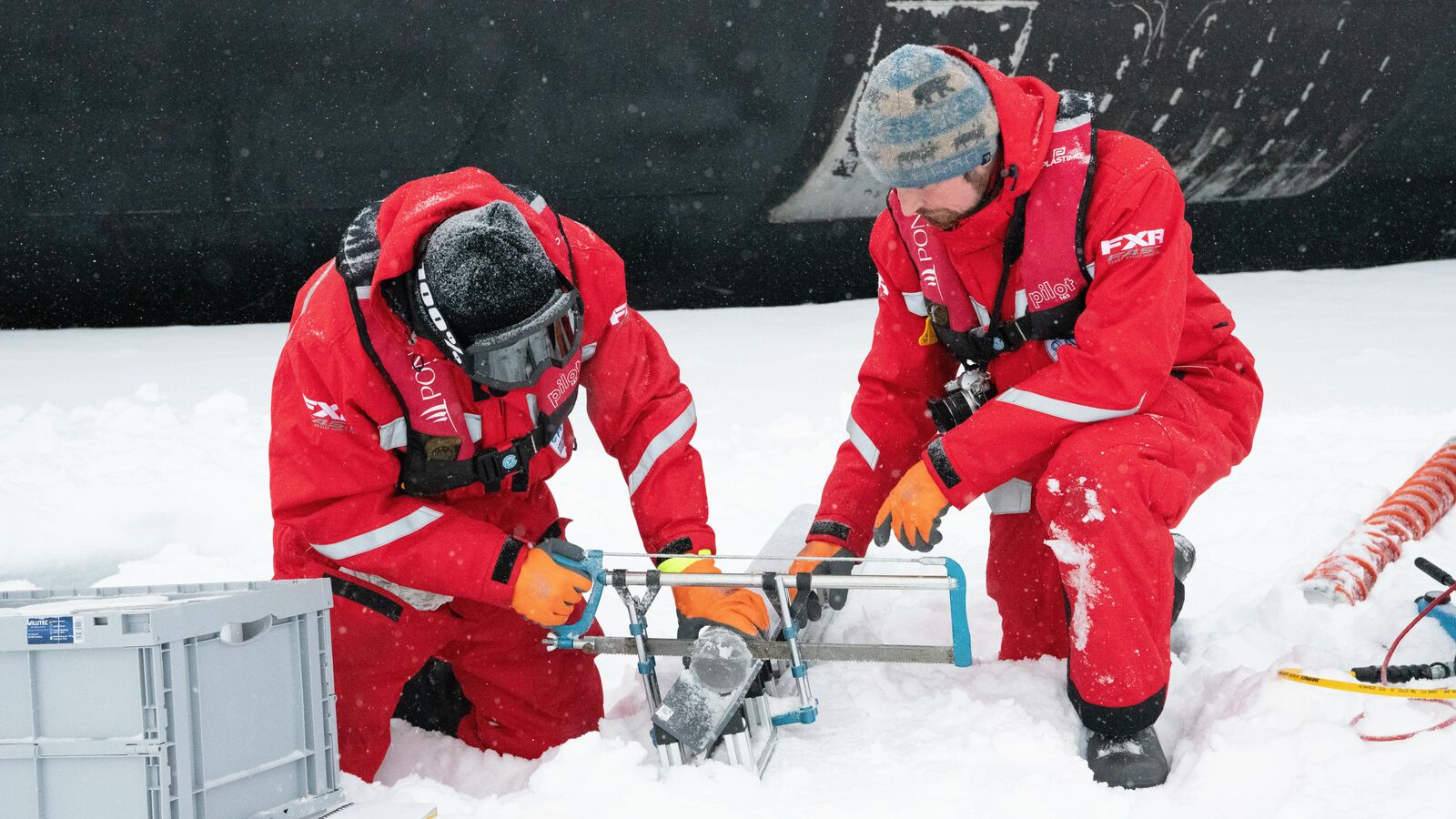
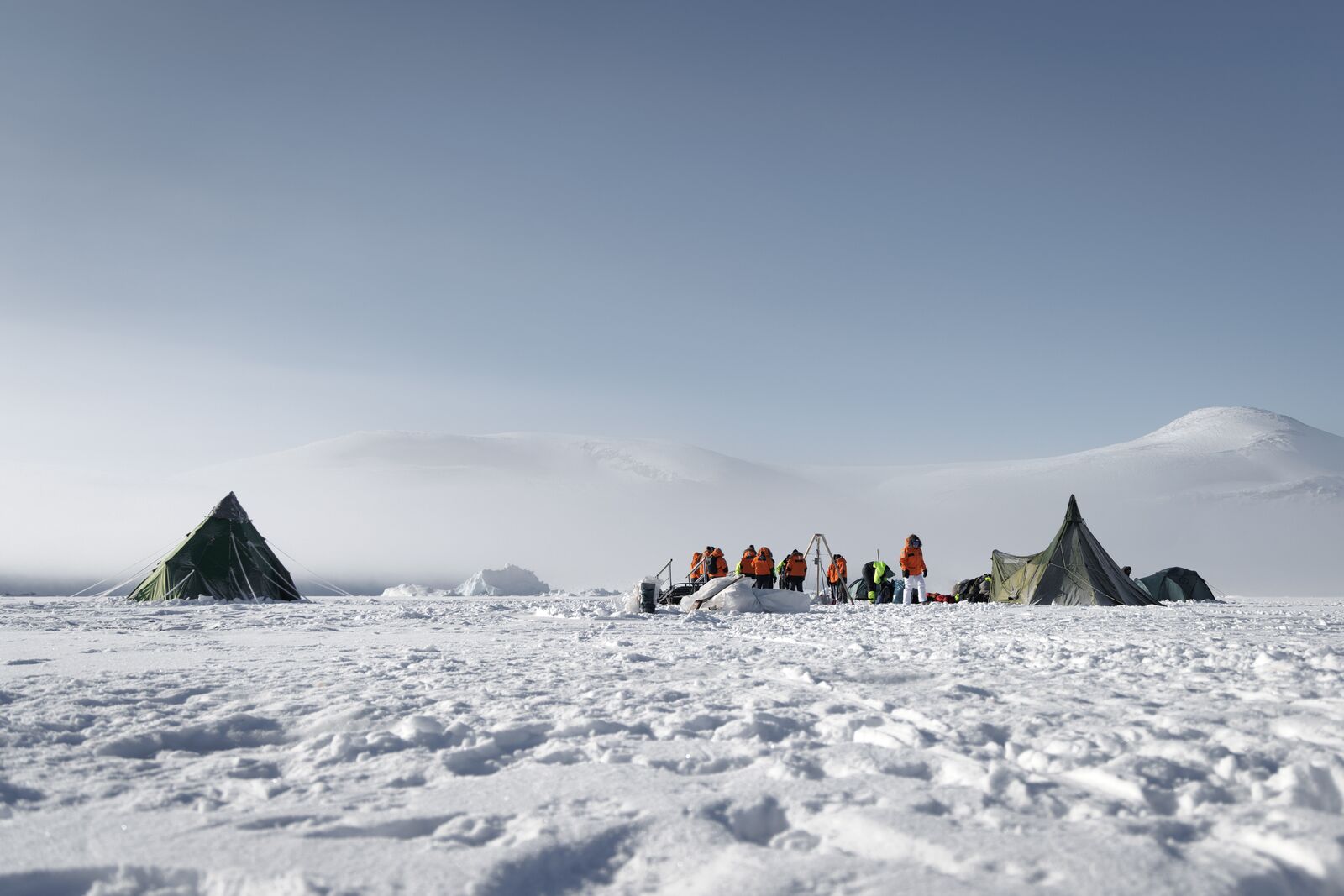
“We try to have as many interactions between the passengers and scientists as possible, so they can discuss the work they’re doing,” says Clampitt. There are also opportunities for guests to see research happening live, such as when the scientists go onto the ice and take ice cores. “They’ll show the passengers what they’re doing and explain how the cores will be used, like analyzing their composition or measuring their thickness.” Core thickness can be used as a climate indicator to evaluate the state of the ice and can be used to study freshwater balance, ecosystem functions, and navigability of ice-covered waters. After hearing about this work directly from the onboard scientists, guests often gain a new appreciation for the environments they’re visiting.
Voyages begin with an introduction to the Ponant Science program, giving the team an opportunity to present their research, highlight their objectives, and explain what they plan to accomplish during the trip. At the end of the journey, they present preliminary findings. Lab visits are organized on every cruise, offering guests an up-close look at the research and a chance to ask questions.
Charting a course for the future of science at sea
Since the launch of the science program in 2021, Ponant Explorations’ ships have hosted 230 researchers over 3,910 nights on 88 scientific missions in places as diverse as the Arctic Ocean, French Polynesia, and the Seychelles. To date, the company has established 67 academic and institutional partnerships, dedicating $2.5 million per year to scientific research. It’s all part of Ponant’s commitment to make science more open and accessible. Data gathered on board Le Commandant Charcot is centralized in an onshore data center, available free of charge to any researcher in the world. But the efforts go further than the scientific community. In 2024, Ponant hosted 329 scientific missions and 79 researches on board, as well as 67 scientific talks, lectures, and roundtables on board, led by experts to help guests gain a deeper understanding of the environmental challenges facing the world.
“Being on a tourism vessel is not the same experience for scientists as being on a research vessel,” says Clampitt. “It requires close coordination between the research teams and the captain and crew to ensure the researchers have the time and support needed to conduct their work, even during short stopovers.
“The work happening on board isn’t citizen science—its genuine scientific research carried out by expert teams,” she explains. The scientific activities vary depending on the research team on board, but guests can observe sample collections, wildlife surveys, drone imaging, and other live data collection, which gives them a rare window into the scientific process.
Ponant Explorations’ first polar scientific missions were carried out on board Le Commandant Charcot in 2021. The science program has since expanded to four other ships, giving researchers access to more remote and fragile ecosystems in other parts of the world. In 2024, a partnership with the Seychelles Islands Foundation (SIF) was launched to map key habitats—such as mangroves, coral reefs, and sea beds—and study seasonal changes in Aldabra’s understudied inland pools.
Scientists have also sailed on other Ponant Explorations ships, including Paul Gauguin Cruises’ m/s Paul Gauguin in French Polynesia, where they discovered seagrass in an area where it was previously thought not to exist. This crucial finding increases our understanding of important ecosystems that support biodiversity, provide habitats, protect coastlines, improve water quality, and store significant amounts of carbon. Another key region for research is the Kimberley in Australia.
“One of the benefits of doing research on board a cruise ship is that we repeat itineraries,” says Clampitt. This allows scientists to return to the same locations and continue sampling year after year, or to conduct research at different sites within the same geographic area. “It’s not just a one-off. We offer continuation and build partnerships with researchers who come back to join us for multiple cruises over several years.”
Research conducted so far as part of the Ponant Science program is varied and diverse. In West Antarctica, cetacean surveys of blue and humpback whale populations have combined acoustic and visual methods to locate whale hotspots and analyze feeding grounds. Researchers conducting surveys of seabird and marine mammal distribution along Norway’s coastline during the winter season have collected data on 25 bird species and two marine mammal species, addressing a knowledge gap and contributing to conservation databases.
“We host a wide range of scientific disciplines on board, alongside the traditional environmental research we also support projects that look at social or cultural dimensions such as how art has documented the evolving arctic environment,” says Clampitt.
One of the benefits of doing research on board a cruise ship is that we repeat itineraries. It’s not just a one-off. We offer continuation and build partnerships with researchers who come back to join us for multiple cruises over several years.”
——Dr. Megan Clampitt, Head of Science at Ponant Explorations Group
Since the launch of the science program in 2021, Ponant Explorations’ ships have hosted 230 researchers over 3,910 nights on 88 scientific missions in places as diverse as the Arctic Ocean, French Polynesia, and the Seychelles. To date, the company has established 67 academic and institutional partnerships, dedicating $2.5 million per year to scientific research. It’s all part of Ponant’s commitment to make science more open and accessible.
Ponant Explorations’ polar exploration ship Le Commandant Charcot leads the fleet’s research efforts. The only passenger ship in the world with Polar Class 2 (PC-2) certification, Le Commandant Charcot can navigate ice floes, shifting glaciers, and parts of the Arctic inaccessible to most other vessels—including the true North Pole. This ability to reach some of the world’s most inhospitable areas is a dream, both for intrepid travelers and scientists.
“Le Commandant Charcot can go places that are difficult and costly for research institutes to access,” explains Dr. Megan Clampitt, head of science for Ponant Explorations Group, who leads the company’s programs to advance studies and environmental stewardship while creating immersive, educational experiences for guests. The ship was designed from the outset to have science at its core, featuring state-of-the-art wet and dry laboratories and equipped with various tools and sensors, such as an oceanographic winch, a weather station, and an underwater drone, among other facilities. “We’re providing researchers with this access free of cost, essentially opening up remote areas that would otherwise be difficult for them to get to.”
The Ponant Science program even includes research that has the potential to extend beyond Earth, using remote regions of our planet as proxies for other planets. An expedition in Greenland focused on monitoring permafrost thaw and its implications for Earth and Mars. The mission used thermal imaging, unmanned aerial vehicles, and ground-penetrating radar to collect infrared images and high-resolution terrain maps, with the goal of deepening understanding of Mars’ habitability.
Ponant’s scientific expeditions allow guests to view pioneering research. (PONANT/Morgane Lanco)
With scientists on board, Ponant Explorations’ expands knowledge of the places its ships visit. (Photo Credit: PONANT/Morgane Monneret)
Ponant Explorations’ ships have hosted 88 scientific missions to date. (Photo Credit: PONANT / Julien Fabro)
Research conducted through the Ponant Science program is wide-ranging. (Photo Credit: PONANT / Julien Fabro)
Le Commandant Charcot. (Photo Credit: PONANT / OlivierBlaud)
“By having scientists on board, we’re able to increase knowledge about the areas we’re traveling to,” says Clampitt. “At its core, travel is about curiosity, about the landscapes the culture, and the ecosystems that make each place unique.”
As part of its efforts to fund cutting-edge research, the Ponant Science program also sponsors PhD students.
Ponant Explorations currently works with several institutions worldwide such as Duke University, Northumbria University (USA), and the Spanish National Research Council (CSIC). All onboard projects are pre-selected by an independent committee. Research themes include ecology and climate change, biodiversity and conservation, and anthropogenic impacts and micro-pollution.
“One of our students is researching seabird distribution in the Southern Ocean, investigating how seabird assemblages form and evolve in relation to environmental factors supporting conservation strategies while another is investigating how microbial activity regulates methane, a key greenhouse gas, contributing to our understanding of climate dynamics.”
Ponant Explorations’ new three-year partnership with WHOI, the world’s largest independent ocean science organization, also supports students. Two voyages off the coast of Antarctica have welcomed two respective WHOI-MIT Joint Program graduate students, guided by a WHOI glaciologist, to conduct research into the break-up rates of the Antarctic Ice Sheet using LiDAR (Light Detection and Ranging) technology, a first for Le Commandant Charcot. It’s the kind of data that can’t easily be gained by satellite or other means, and an example of how Ponant is helping researchers gather information that is crucial to understanding ice-sheet evolution and rate of change.
As a testament to its efforts with myriad partners, Ponant Explorations Group has been cited in multiple scientific publications.
“We have already had 10 scientific articles published based on data collected on board,” Clampitt says. “It’s tangible proof that real research is happening, the findings are out there, peer reviewed and contributing to global knowledge.”
For Clampitt, the ongoing success of the program comes down to creating the best possible experiences for both scientists and passengers.
“When guests can watch the research unfold with their own eyes, they gain a clearer sense of its importance and become more curious about the work happening on board. It’s a powerful tool for engagement and education,” she says. It also adds a completely different element to the cruise experience for those seeking more than just photos and memories. “To have access to that added knowledge—that expert opinion or additional information that maybe you wouldn’t have tried to seek out on your own—that’s what makes these journeys really one of a kind.”
For scientists, the program enables easy access to remote zones for critical research that otherwise would be cumbersome to obtain. Guests, meanwhile, get a front-row seat to their work and the chance to engage in dialogue that teaches, inspires, and empowers them to become better advocates for our planet.
Dr. Megan Clampitt, head of science for Ponant Explorations Group
Ponant Explorations’ inaugural polar science missions were conducted aboard Le Commandant Charcot. (Photo Credit: PONANT / Julien Fabro)
Educating curious travelers about the world and our place in it is also at the heart of Ponant Explorations’ partnership with The Explorers Club, an organization that has supported field research, science, and conservation for more than 120 years. Passengers on board The Explorers Club voyages have access to experts including filmmakers, authors, professors, and adventurers who bring the world’s remote places to life through insightful and engaging lectures. These in-demand voyages will continue to expand and include Aqua Expeditions and Paul Gauguin Cruises.
Caption
Ponant Explorations’scientific expeditions allow guests to view pioneering research. (PONANT / Morgane Lanco)
With scientists on board, Ponant Explorations’ expands knowledge of the places its ships visit. (Photo Credit: PONANT / Morgane Monneret)